. 2017 Mar 3:7:43640.
doi: 10.1038/srep43640.

Altered intestinal microbiota in patients with chronic pancreatitis: implications in diabetes and metabolic abnormalities

Affiliations

Altered intestinal microbiota in patients with chronic pancreatitis: implications in diabetes and metabolic abnormalities

Sai Manasa Jandhyala et al. Sci Rep. .

Abstract

Intestinal dysbiosis and its functional implications in chronic pancreatitis (CP) have not been elaborately studied. We evaluated the taxonomic and functional alterations in intestinal microbiota in 30 well-characterised patients with CP (16 without, 14 with diabetes) and 10 healthy controls. The patients with CP and diabetes had significantly longer disease duration and greater degree of malnutrition. There was increase in plasma endotoxin concentrations from controls to CP non-diabetics to CP diabetics. We observed significant differences in richness and alpha diversity between the groups. We also observed increase in the Firmicutes:Bacteroidetes ratio in CP patients without and with diabetes. There was reduction in abundance of Faecalibacterium prausnitzii and Ruminococcus bromii from controls to CP non-diabetics to CP diabetics. On the other hand, there was increase in LPS (endotoxin) synthetic pathways (KEGG orthology) in the groups. Faecalibacterium prausnitzii abundance correlated negatively with plasma endotoxin and glycemic status; while plasma endotoxin correlated positively with blood glucose and negatively with plasma insulin. Our results have important implications for future studies exploring mechanistic insights on secondary diabetes in CP.


Conflict of interest statement

The authors declare no competing financial interests.

Figures
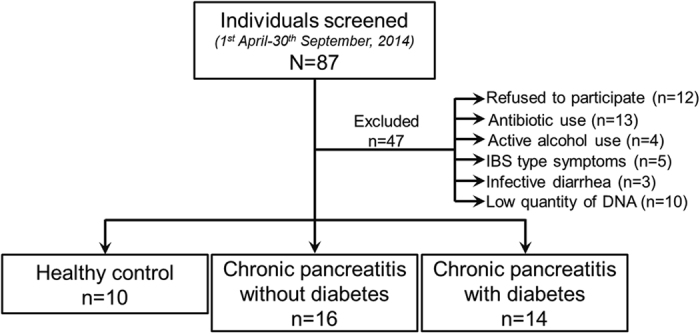
Figure 1
Figure 1. Study flow and patient distribution.
Figure 2
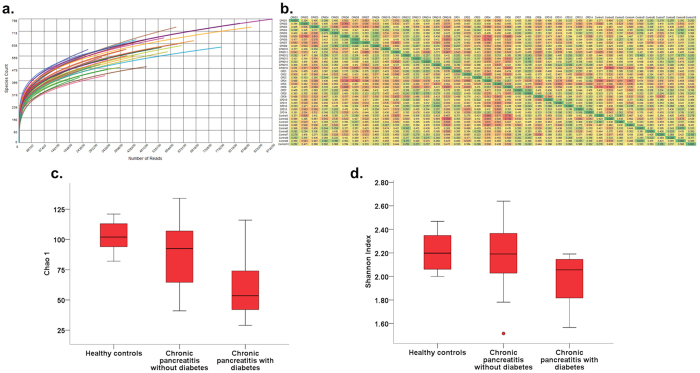
Figure 2. Bacterial richness and diversity alters with progression of CP.
(a) Rarefaction curves showing of individual samples from each group; Box and Whisker plot indicating; (b) Heatmap indicating lower beta diversity (between diabetic chronic pancreatitis patients compared to the other groups; (c) reduction of bacterial richness (Chao 1) from healthy controls to chronic pancreatitis patients without to those with diabetes (Kruskal Wallis test, [p(corr.) = 0.01]) and (d) reduction of Shannon’s alpha diversity in patients having chronic pancreatitis with diabetes (Kruskal Wallis test, [p(corr.) = 0.04].
Figure 3
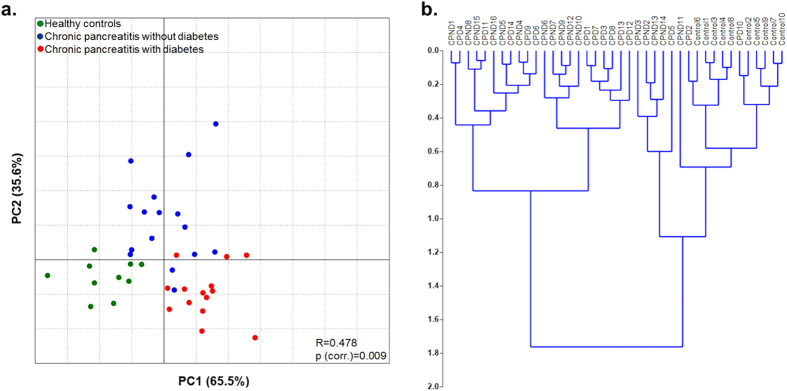
Figure 3. Clustering of gut microbiota at species level taxa among the study groups.
(a) Principal co-ordinate analysis (PCA) of gut microbial species abundance showing distinct clustering in the three study groups. The relation between the microbiota and disease status was assessed with ANOSIM using Monte Carlo simulations with 10,000 replications [p(corr.) = 0.009]. (b) Dendrogram showing hierarchical cluster analysis based on Euclidean similarity matrix (with boot strapping to 1000) to measure closeness between individual samples.
Figure 4
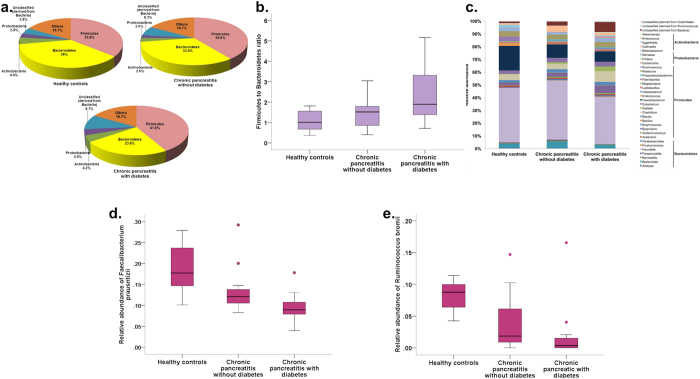
Figure 4. Relative abundances of gut microbiota at different taxonomic levels between the three groups.
(a) Pie charts showing the microbial abundances in different groups at the phylum level; (b) Box and Whisker plot showing Firmicutes:Bacteroidetes ratio; (c) Stacked bars showing bacterial abundances at the genus level (genera that had a relative abundance of >1% in at least 10% of samples have been included in the figure). Box and Whisker plots showing (d,e) statistically significant reduction in relative abundances of Faecalibacterium prausnitzii (p = 0.001) and Ruminococcus bromii (p = 0.001) respectively.
Figure 5
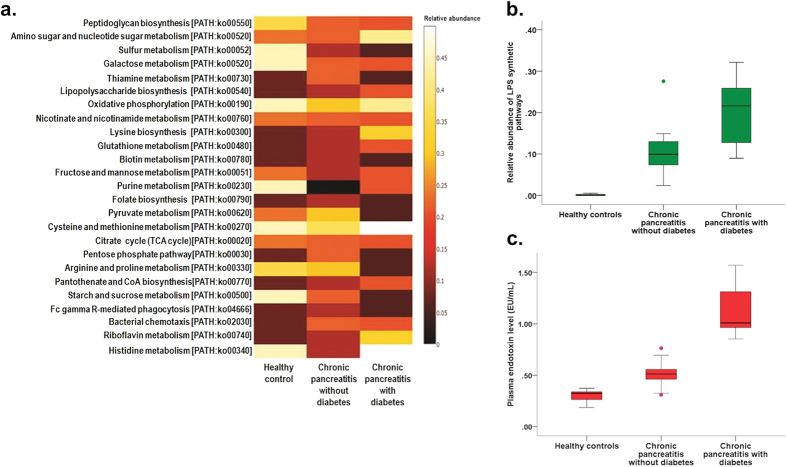
Figure 5. Alteration in gut microbial functions in patients with CP without and with diabetes.
(a) Heatmap showing differences in functional pathways according to KEGG orthology (KO) between the three study groups. (b,c) Box and Whisker plots showing increasing relative abundances in LPS synthetic pathways (b) in the three groups with corresponding increase in plasma endotoxin levels (c).
Figure 6
Figure 6. Changes in the relative abundances of bacterial species and correlations with host biochemical alterations.
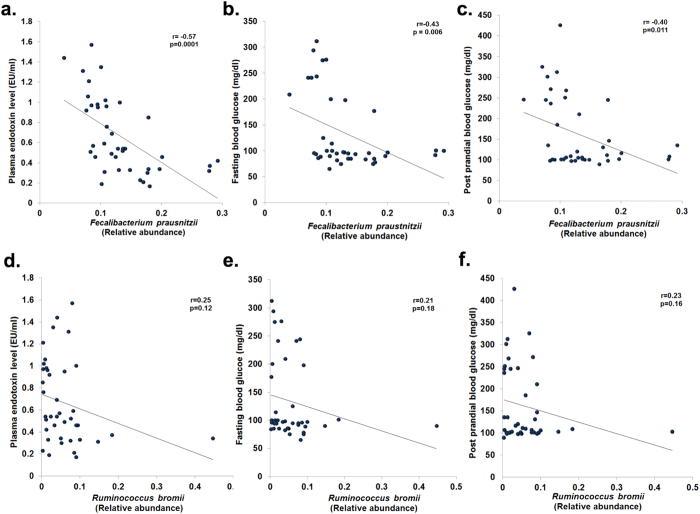
Scatter plots showing significant negative correlation (Pearson’s) between abundance of Faecalibacterium prausnitzii and (a) plasma endotoxin levels (b) fasting blood glucose, and (c) post prandial blood glucose levels; and between abundance of Ruminococcus bromii and (d) plasma endotoxin levels, (e) fasting blood glucose, and (f) post prandial blood glucose levels.
Figure 7
Figure 7. Plasma endotoxin levels correlate with host blood glucose.
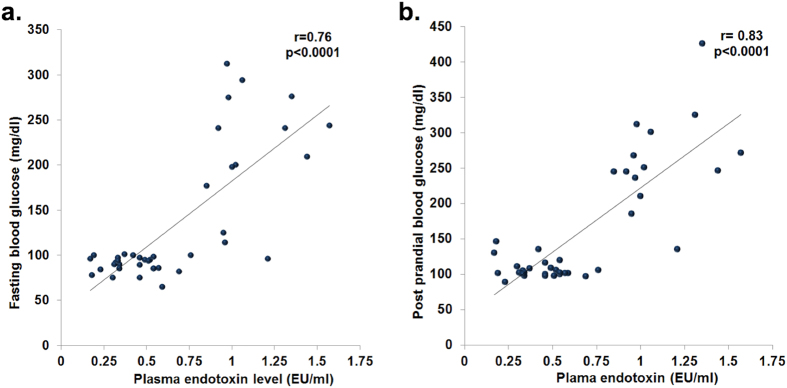
Scatter plots showing statistically significant positive correlation of plasma endotoxin with (a) fasting blood glucose and (b) post prandial blood glucose.
Figure 8
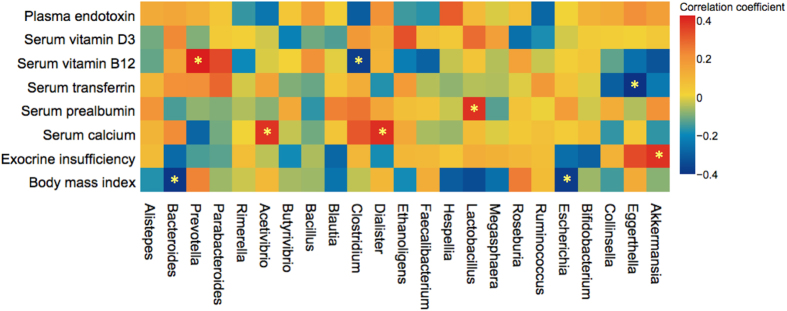
Figure 8. Relative abundances of genus level taxa correlates with host nutritional and metabolic functions.
Heatmap showing the correlations between bacterial genera with nutritional characteristics and pancreatic exocrine insufficiency.

References

    1. Majumder S. & Chari S. T. Chronic pancreatitis. Lancet. 29, 1957–1966 (2016). - PubMed
    1. Rickels. M. R. et al. Detection, evaluation and treatment of diabetes mellitus in chronic pancreatitis: Recommendations from PancreasFest 2012. Pancreatology. 13, 336–342 (2013). - PMC - PubMed
    1. American Diabetes Association. Diagnosis and classification of diabetes mellitus. Diabetes Care. 35, S64–S71 (2012). - PMC - PubMed
    1. Zhou X. & You S. Rosiglitazone inhibits hepatic insulin resistance induced by chronic pancreatitis and IKK-β/NF-κB expression in liver. Pancreas. 43, 1291–1298 (2014). - PubMed
    1. Farrell J. J. et al. Variations of oral microbiota are associated with pancreatic diseases including pancreatic cancer. Gut. 61, 582–588 (2012). - PMC - PubMed

Publication types