


Antioxidant Properties and Cardioprotective Mechanism of Malaysian Propolis in Rats
- PMID: 28261310
- PMCID: PMC5312504
- DOI: 10.1155/2017/5370545
Antioxidant Properties and Cardioprotective Mechanism of Malaysian Propolis in Rats
Abstract
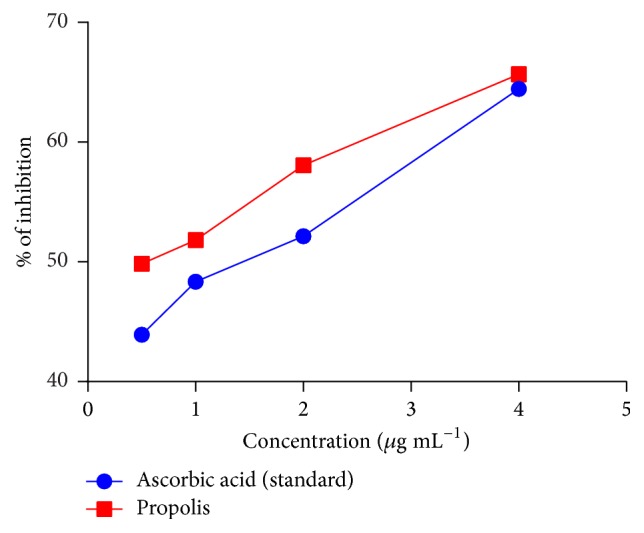
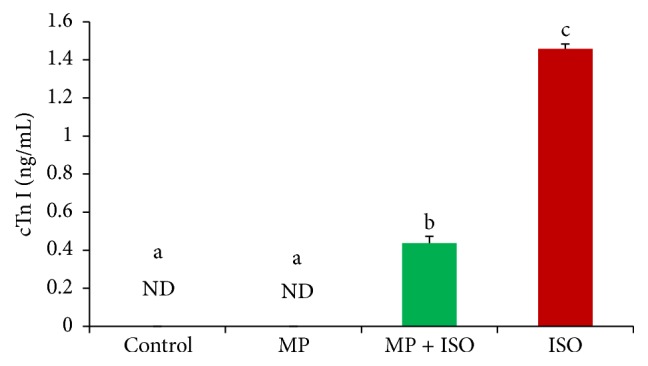
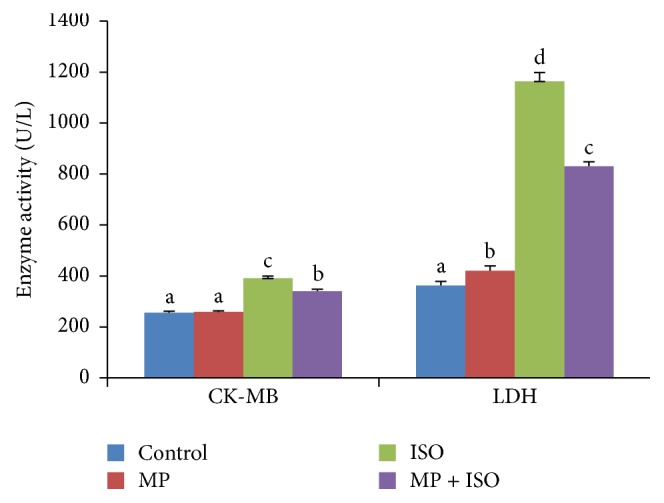
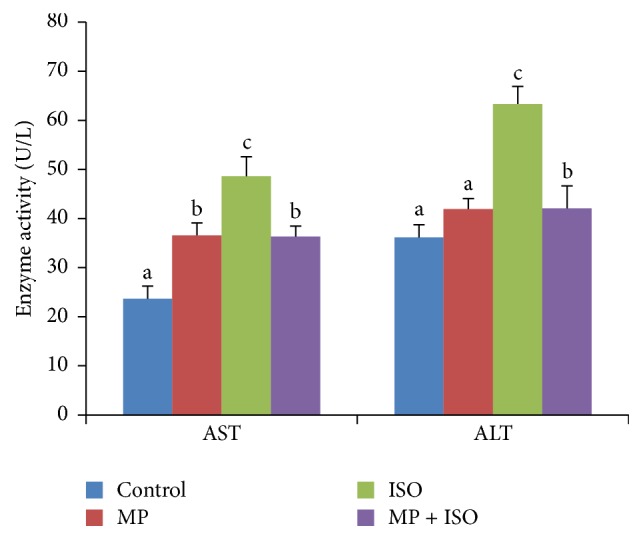
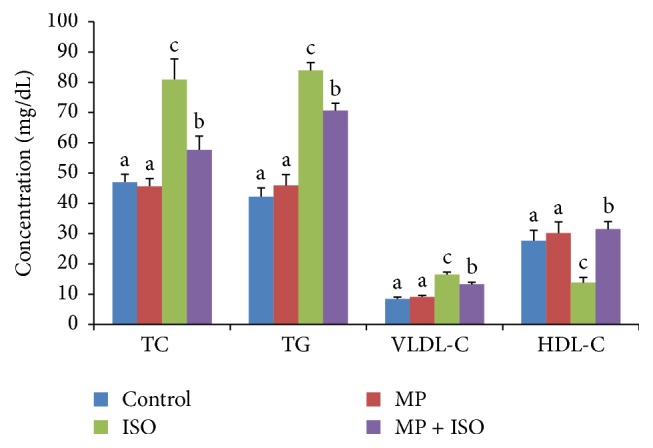
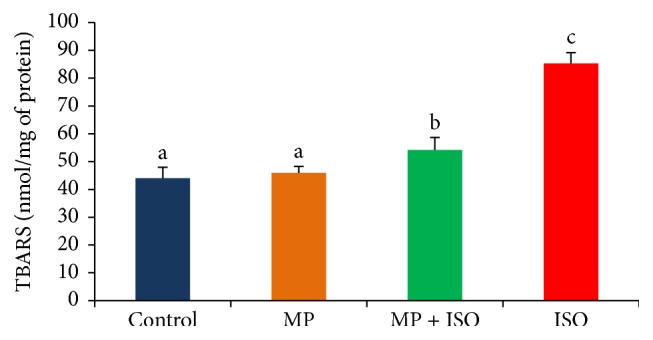
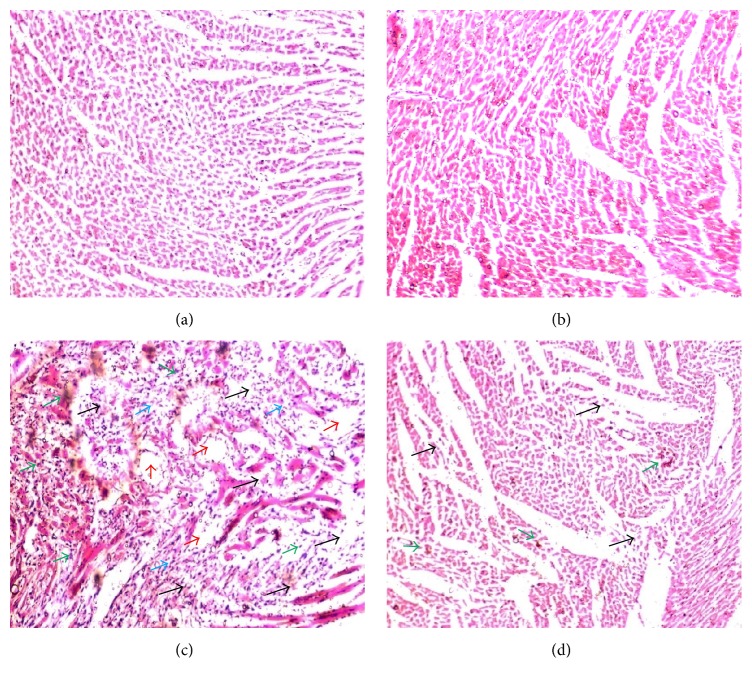
Propolis contains high concentrations of polyphenols, flavonoids, tannins, ascorbic acid, and reducing sugars and proteins. Malaysian Propolis (MP) has been reported to exhibit high 1,1-diphenyl-2-picrylhydrazyl (DPPH) radical-scavenging activity and ferric reducing antioxidant power (FRAP) values. Herein, we report the antioxidant properties and cardioprotective properties of MP in isoproterenol- (ISO-) induced myocardial infarction in rats. Male Wistar rats (n = 32) were pretreated orally with an ethanol extract of MP (100 mg/kg/day) for 30 consecutive days. Subcutaneous injection of ISO (85 mg/kg in saline) for two consecutive days caused a significant increase in serum cardiac marker enzymes and cardiac troponin I levels and altered serum lipid profiles. In addition significantly increased lipid peroxides and decreased activities of cellular antioxidant defense enzymes were observed in the myocardium. However, pretreatment of ischemic rats with MP ameliorated the biochemical parameters, indicating the protective effect of MP against ISO-induced ischemia in rats. Histopathological findings obtained for the myocardium further confirmed the biochemical findings. It is concluded that MP exhibits cardioprotective activity against ISO-induced oxidative stress through its direct cytotoxic radical-scavenging activities. It is also plausible that MP contributed to endogenous antioxidant enzyme activity via inhibition of lipid peroxidation.
Conflict of interest statement
The authors declare that there is no conflict of interests regarding the publication of this paper.
Figures
References
-
- Ghisalberti E. Propolis: a review [honey-bees] Bee World, 1979.
-
- Parolia A., Thomas M. S., Kundabala M., Mohan M. Propolis and its potential uses in oral health. International Journal of Medicine and Medical Science. 2010;2(7):210–215.
-
- Simone-Finstrom M., Spivak M. Propolis and bee health: the natural history and significance of resin use by honey bees. Apidologie. 2010;41(3):295–311. doi: 10.1051/apido/2010016. - DOI
-
- Brown R. Hive products: pollen, propolis and royal jelly. Bee World, 1989.
LinkOut - more resources
Full Text Sources
Other Literature Sources
Research Materials
Miscellaneous
