


The Protective Effect of Chrysanthemum indicum Extract against Ankylosing Spondylitis in Mouse Models
- PMID: 28261616
- PMCID: PMC5312047
- DOI: 10.1155/2017/8206281
The Protective Effect of Chrysanthemum indicum Extract against Ankylosing Spondylitis in Mouse Models
Erratum in
-
Corrigendum to "The Protective Effect of Chrysanthemum indicum Extract against Ankylosing Spondylitis in Mouse Models".Biomed Res Int. 2018 Nov 1;2018:8097342. doi: 10.1155/2018/8097342. eCollection 2018. Biomed Res Int. 2018. PMID: 30515413 Free PMC article.
Abstract
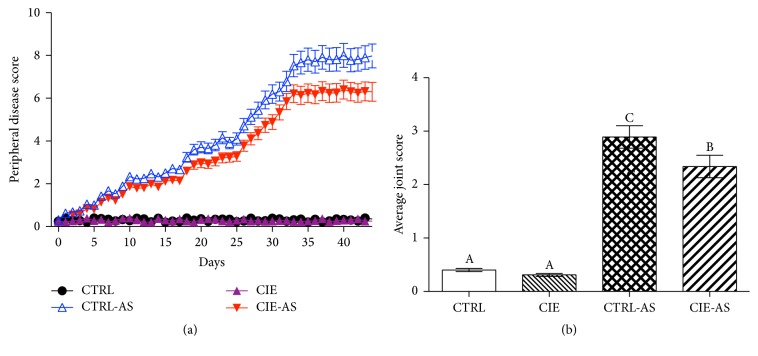
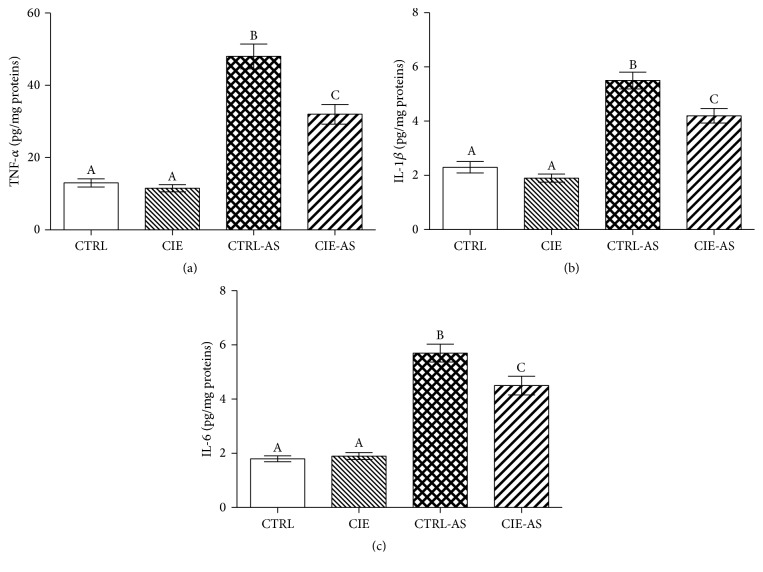
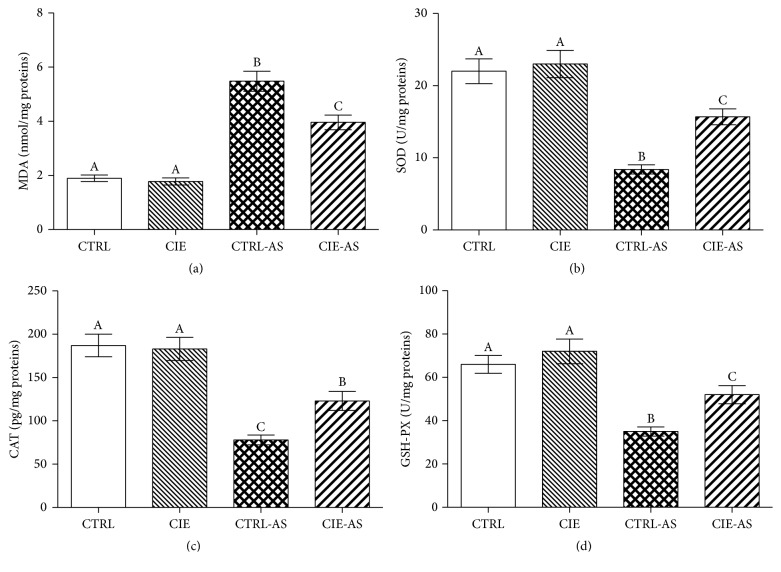
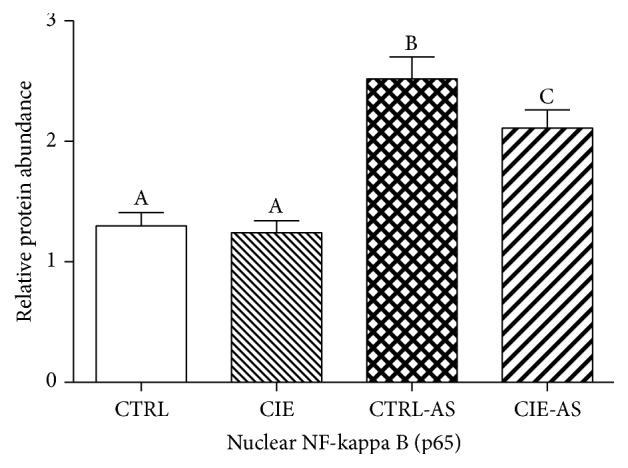
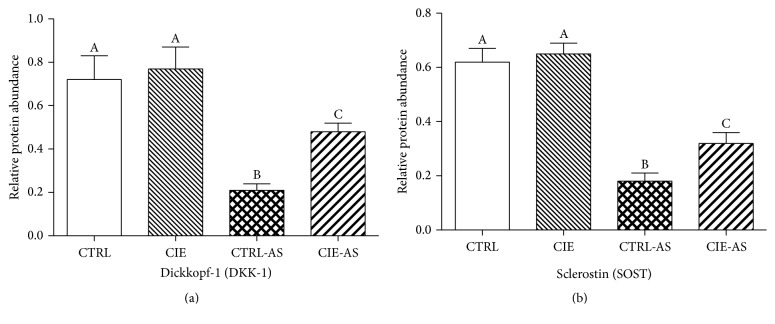
In traditional Chinese and Korean homeopathic medicine, Chrysanthemum indicum Linné (Asteraceae) is a time-honored herb, prescribed for the resolution of symptoms associated with inflammatory and hypertensive conditions as well as those affecting the lungs and its associated structures. The goal of this work is to investigate the defensive role of Chrysanthemum indicum extract in fighting ankylosing spondylitis (AS) using mouse models, through which the manifestation and extent of the disease progression were measured with quantitative analysis of the intervertebral joints. Markers of inflammation as well as oxidative stress were also analysed. Western blot was used to quantify the levels of Nuclear Factor-κB (NF-κB) p65, Dickkopf-1 (DKK-1), and sclerostin (SOST). Consequently, the findings of this experiment demonstrated that AS in mice that were given Chrysanthemum indicum extract had lower level of TNF-α, IL-1β, and IL-6 (P < 0.05) and increased level of catalase (CAT), glutathione peroxidase (GSH-PX), and superoxide dismutase (SOD) (P < 0.05). The results also revealed that Chrysanthemum indicum supplemented with diet contributed to a decrease in Nuclear Factor-κB (NF-κB) p65 protein expression (P < 0.05) and higher levels of DKK-1 and SOST proteins (P < 0.05). Therefore, we concluded that the beneficial role of Chrysanthemum indicum in AS is manifested through downregulating oxidative stress, inhibiting inflammatory mediators and NF-κB, and increasing DKK-1 and SOST levels.
Conflict of interest statement
The authors declare that they have no competing interests.
Figures
References
-
- Chou C.-T., Huo A.-P., Chang H.-N., Tsai C.-Y., Chen W.-S., Wang H.-P. Cytokine production from peripheral blood mononuclear cells in patients with ankylosing spondylitis and their first-degree relatives. Archives of Medical Research. 2007;38(2):190–195. doi: 10.1016/j.arcmed.2006.09.008. - DOI - PubMed
MeSH terms
Substances
LinkOut - more resources
Full Text Sources
Other Literature Sources
Medical
Research Materials
Miscellaneous
