


Companion Animals and Child/Adolescent Development: A Systematic Review of the Evidence
- PMID: 28264460
- PMCID: PMC5369070
- DOI: 10.3390/ijerph14030234
Companion Animals and Child/Adolescent Development: A Systematic Review of the Evidence
Abstract
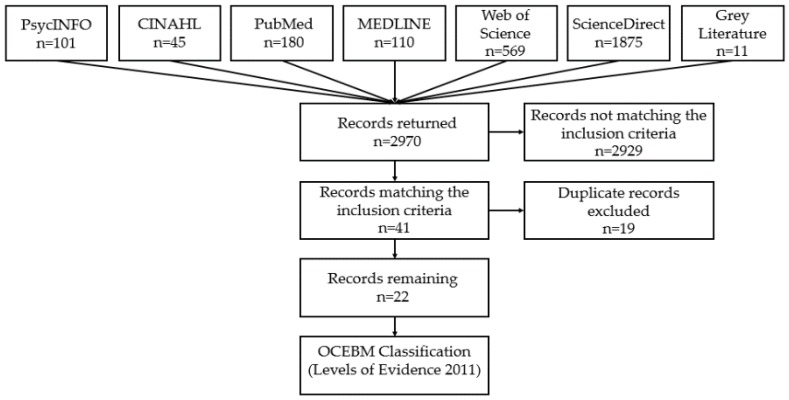
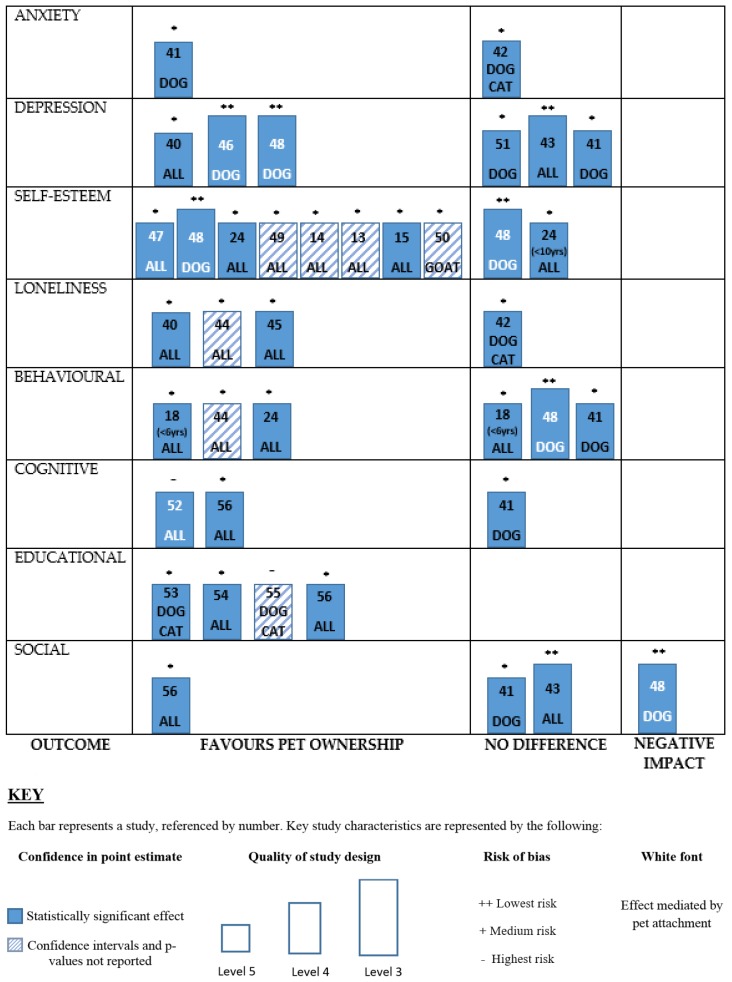
Childhood and adolescence are important developmental phases which influence health and well-being across the life span. Social relationships are fundamental to child and adolescent development; yet studies have been limited to children's relationships with other humans. This paper provides an evidence review for the potential associations between pet ownership and emotional; behavioural; cognitive; educational and social developmental outcomes. As the field is in the early stages; a broad set of inclusion criteria was applied. A systematic search of databases and grey literature sources found twenty-two studies meeting selection criteria. The review found evidence for an association between pet ownership and a wide range of emotional health benefits from childhood pet ownership; particularly for self-esteem and loneliness. The findings regarding childhood anxiety and depression were inconclusive. Studies also showed evidence of an association between pet ownership and educational and cognitive benefits; for example, in perspective-taking abilities and intellectual development. Evidence on behavioural development was unclear due to a lack of high quality research. Studies on pet ownership and social development provided evidence for an association with increased social competence; social networks; social interaction and social play behaviour. Overall, pet ownership and the significance of children's bonds with companion animals have been underexplored; there is a shortage of high quality and longitudinal studies in all outcomes. Prospective studies that control for a wide range of confounders are required.
Keywords: adolescent development; child development; human-animal interaction; pet ownership; review.
Conflict of interest statement
Nancy Gee was employed by the funding agency at the time the project was selected and funded.
Figures
References
-
- World Health Organization. [(accessed on 10 August 2016)]. Available online: http://www.who.int/maternal_child_adolescent/topics/child/en/
-
- Fogel A. Developing through Relationships: Origins of Communication, Self, and Culture. University of Chicago Press; Chicago, IL, USA: 1993.
-
- Bowlby J. Attachment and Loss. Penguin Books; Harmondsworth, UK: 1969.
-
- American Pet Products Association Pet Industry Market Size & Ownership Statistics. [(accessed on 4 June 2016)]. Available online: http://www.americanpetproducts.org/press_industrytrends.asp.
-
- Pet Food Manufacturers Association Statistics. [(accessed on 6 June 2016 )]. Available online: http://www.pfma.org.uk/statistics/
Publication types
MeSH terms
LinkOut - more resources
Full Text Sources
Other Literature Sources
Medical
Research Materials
