


Role of temperature in reconditioning and evaluation of cold preserved kidney and liver grafts
- PMID: 28266940
- PMCID: PMC5617555
- DOI: 10.1097/MOT.0000000000000402
Role of temperature in reconditioning and evaluation of cold preserved kidney and liver grafts
Abstract
Purpose of review: Organ shortage in transplantation medicine forces surgical research toward the development of more efficient approaches in organ preservation to enable the application of 'less than optimal' grafts. This review summarizes current techniques aiming to recondition cold-stored organ grafts prior to transplantation to reduce reperfusion-induced tissue injury and improve postimplantation graft function.
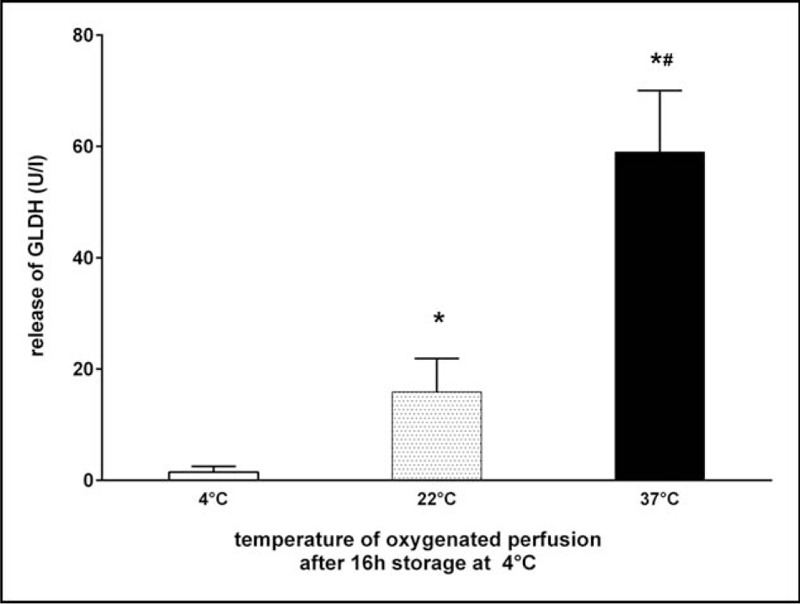
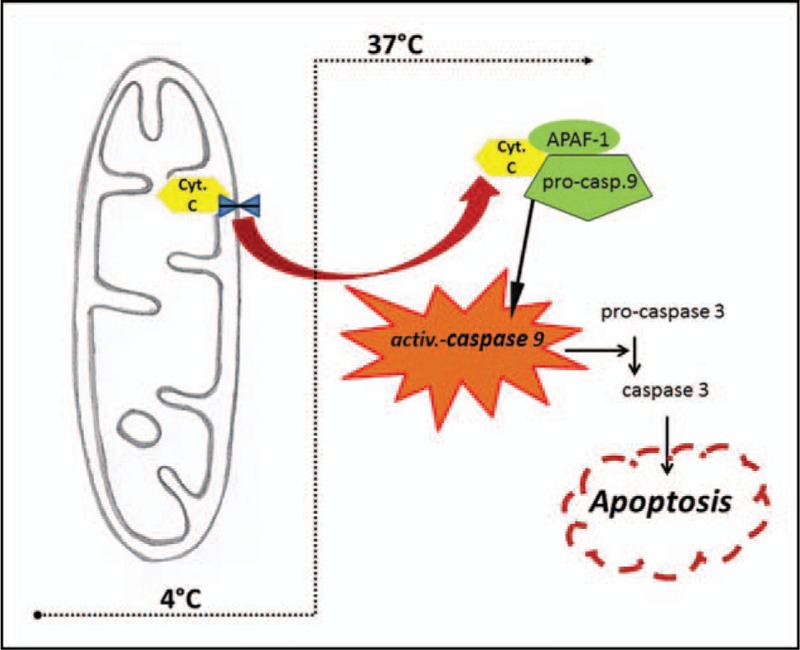
Recent findings: End-ischemic reconditioning has classically been attempted by cold oxygenated perfusion. By contrast, evaluation of graft performance prior to transplantation might be facilitated by perfusion at higher temperatures, ideally at normothermia. A drastic temperature shift from cold preservation to warm perfusion, however, has been incriminated to trigger a so-called rewarming injury associated with mitochondrial alterations. A controlled gradual warming up during machine perfusion could enhance the restitution of cellular homeostasis and improve functional outcome upon warm reperfusion.
Summary: Machine perfusion after conventional cold storage is beneficial for ulterior function after transplantation. Cold grafts should be initially perfused at low temperatures allowing for restitution of cellular homeostasis under protective hypothermic limitation of metabolic turnover. Delayed slow rewarming of the organ might further mitigate rewarming injury upon reperfusion and also increases the predictive power of evaluative measures, taken during pretransplant perfusion.
Figures

References
-
- Matas AJ, Smith JM, Skeans MA, et al. OPTN/SRTR 2013 annual data report: kidney. Am J Transpl 2015; 15:1–34. - PubMed
-
- Su F, Yu L, Berry K, et al. Aging of liver transplant registrants and recipients: trends and impact on waitlist outcomes, post-transplantation outcomes, and transplant-related survival benefit. Gastroenterology 2016; 150:441–453.e6. - PubMed
-
- McCormack L, Dutkowski P, El-Badry AM, Clavien P-A. Liver transplantation using fatty livers: always feasible? J Hepatol 2011; 54:1055–1062. - PubMed
-
- Pokorny H, Langer F, Herkner H, et al. Influence of cumulative number of marginal donor criteria on primary organ dysfunction in liver recipients. Clin Transplant 2005; 19:532–536. - PubMed
Publication types
MeSH terms
LinkOut - more resources
Full Text Sources
Other Literature Sources
Medical
Research Materials
