


The effect of spaceflight and microgravity on the human brain
- PMID: 28271409
- PMCID: PMC5610662
- DOI: 10.1007/s00415-017-8427-x
The effect of spaceflight and microgravity on the human brain
Abstract
Microgravity, confinement, isolation, and immobilization are just some of the features astronauts have to cope with during space missions. Consequently, long-duration space travel can have detrimental effects on human physiology. Although research has focused on the cardiovascular and musculoskeletal system in particular, the exact impact of spaceflight on the human central nervous system remains to be determined. Previous studies have reported psychological problems, cephalic fluid shifts, neurovestibular problems, and cognitive alterations, but there is paucity in the knowledge of the underlying neural substrates. Previous space analogue studies and preliminary spaceflight studies have shown an involvement of the cerebellum, cortical sensorimotor, and somatosensory areas and the vestibular pathways. Extending this knowledge is crucial, especially in view of long-duration interplanetary missions (e.g., Mars missions) and space tourism. In addition, the acquired insight could be relevant for vestibular patients, patients with neurodegenerative disorders, as well as the elderly population, coping with multisensory deficit syndromes, immobilization, and inactivity.
Keywords: Bed rest; Brain; Central nervous system; Dry immersion; EEG; Human spaceflight; MRI; Microgravity; Neuroplasticity; Parabolic flight.
Conflict of interest statement
Conflicts of interest
None declared.
Ethical standards
The manuscript does not contain clinical studies or patient data.
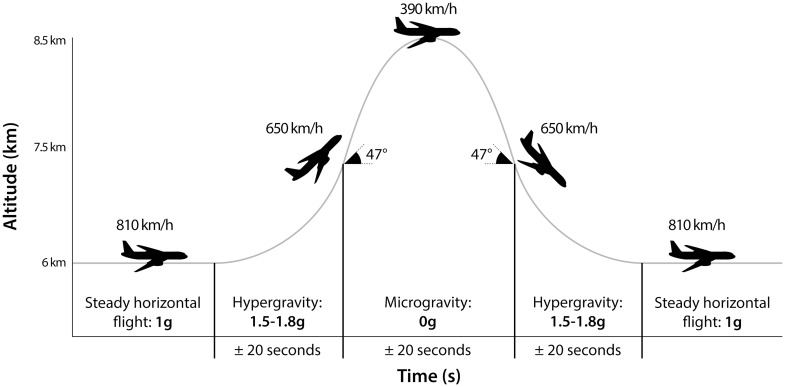
Figures
References
Publication types
MeSH terms
Grants and funding
LinkOut - more resources
Full Text Sources
Other Literature Sources
Miscellaneous
