


Serum Parathyroid Hormone Responses to Vitamin D Supplementation in Overweight/Obese Adults: A Systematic Review and Meta-Analysis of Randomized Clinical Trials
- PMID: 28272298
- PMCID: PMC5372904
- DOI: 10.3390/nu9030241
Serum Parathyroid Hormone Responses to Vitamin D Supplementation in Overweight/Obese Adults: A Systematic Review and Meta-Analysis of Randomized Clinical Trials
Abstract
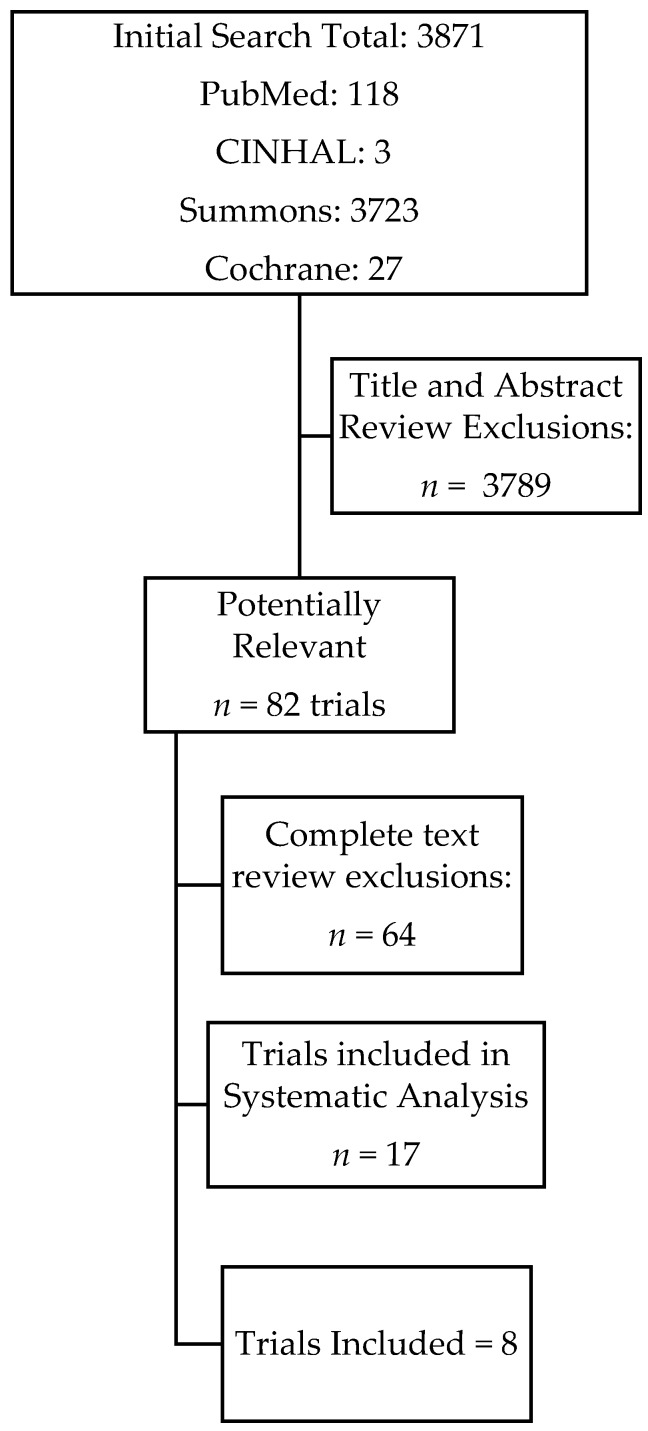
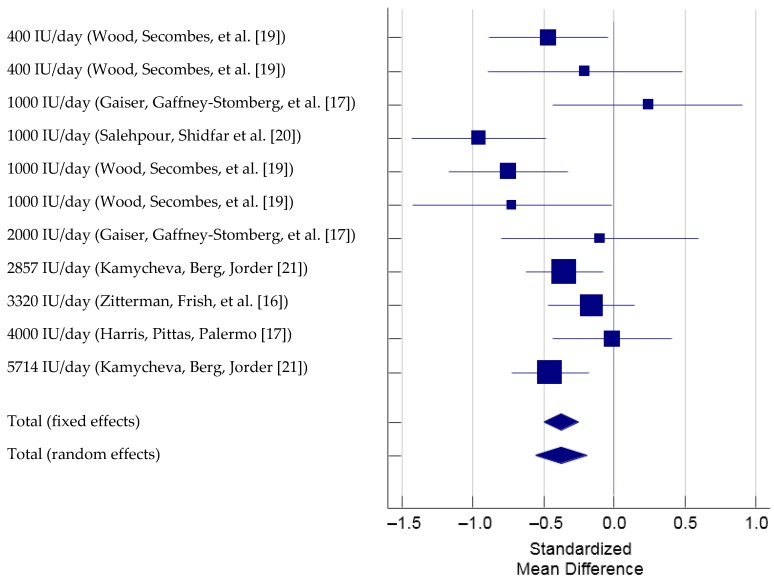
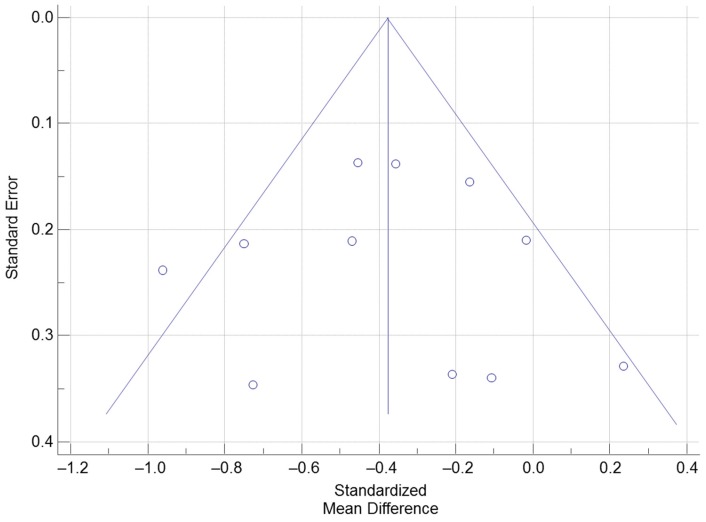
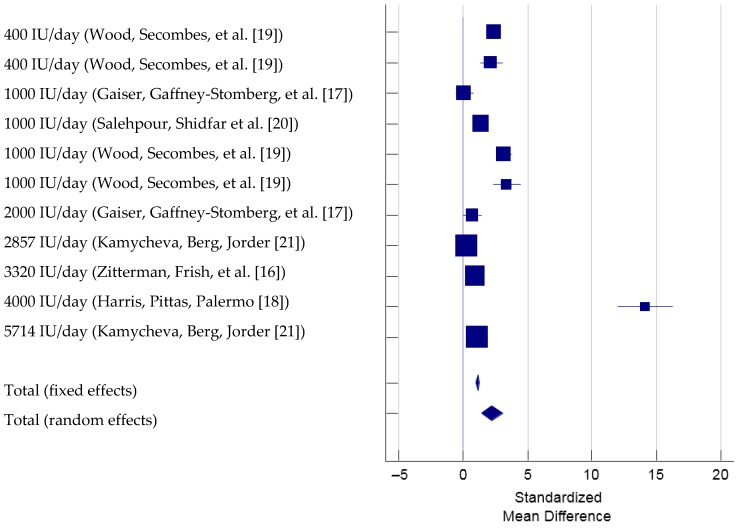
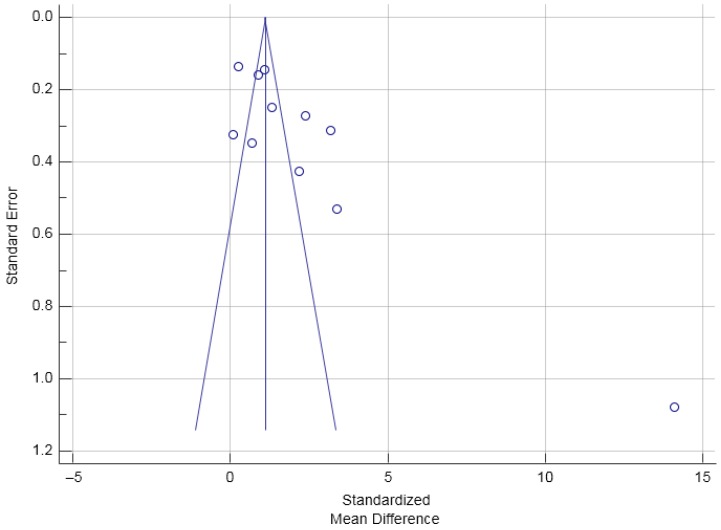
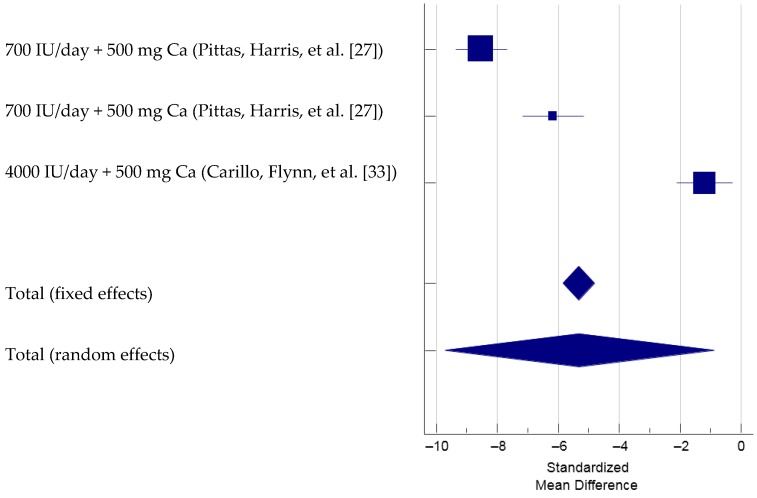
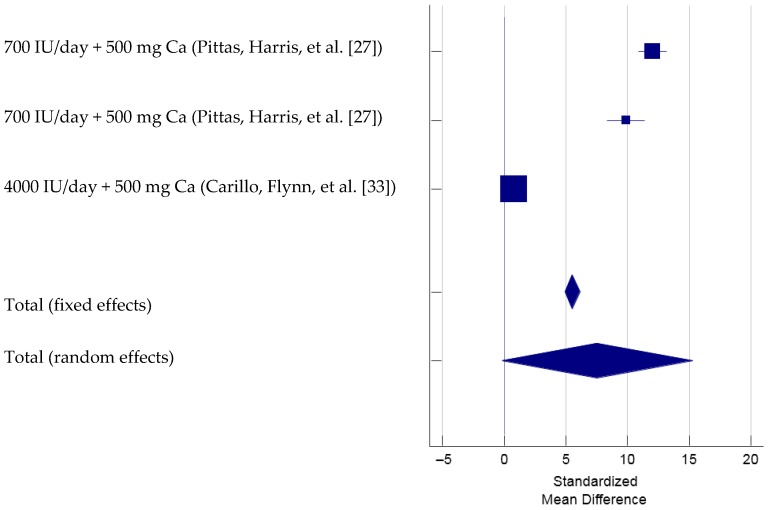
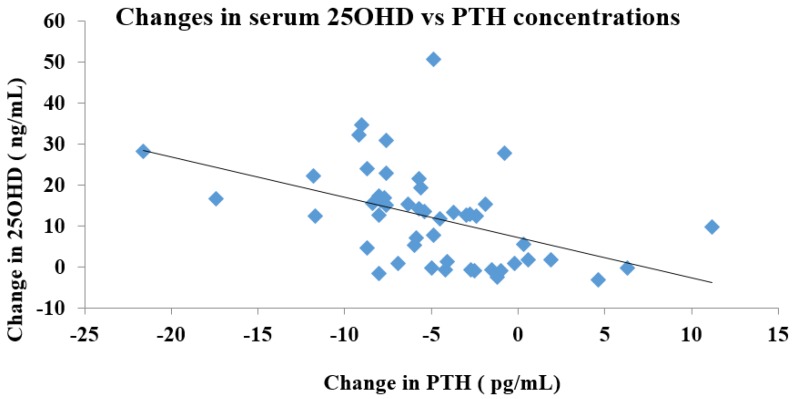
Obesity is often associated with vitamin D deficiency and secondary hyperparathyroidism. Vitamin D supplementation typically leads to the reductions in serum parathyroid hormone (PTH) levels, as shown in normal weight individuals. Meanwhile, the dose of vitamin D supplementation for the suppression of PTH may differ in overweight and obese adults. We conducted a systematic review and meta-analysis of randomized controlled trials to determine the dose of vitamin D supplementation required to suppress PTH levels in overweight/obese individuals. We identified 18 studies that examined overweight or obese healthy adults who were supplemented with varying doses of vitamin D3. The primary outcomes examined were changes in PTH and serum 25-hydroxyvitamin D (25OHD) levels from baseline to post-treatment. The results of the meta-analysis showed that there was a significant treatment effect of vitamin D supplementation on PTH, total standardized mean difference (SMD) (random effects) = -0.38 (95% CI = -0.56 to -0.20), t = -4.08, p < 0.001. A significant treatment effect of vitamin D supplementation was also found on 25OHD, total SMD (random effects) = 2.27 (95% CI = 1.48 to 3.06) t = 5.62, p < 0.001. Data from available clinical trials that supplemented adults with D3 ranging from 400 IU to 5714 IU, showed that 1000 IU of vitamin D supplementation best suppressed serum PTH levels, total SMD = -0.58, while vitamin D supplementation with 4000 IU showed the greatest increase in serum 25OH levels. Vitamin D and calcium supplementation of 700 IU and 500 mg, respectively, also showed a significant treatment effect on the suppression of PTH with a total SMD = -5.30 (95% CI = -9.72 to -0.88). In conclusion, the meta analysis of available clinical trials indicates that 1000 IU vitamin D supplementation can suppress serum PTH levels, while 4000 IU of vitamin D was associated with the largest increase in serum 25OHD levels in the overweight and obese population.
Keywords: 25 hydroxy vitamin D; obesity; overweight; parathyroid hormone; vitamin D supplementation.
Conflict of interest statement
The authors declare no conflict of interest.
Figures
References
-
- Institute of Medicine . Dietary Reference Intakes for Calcium and Vitamin D. The National Academies Press; Washington, DC, USA: 2011. - PubMed
-
- Holick M.F., Binkley N.C., Bischoff-Ferrari H.A., Gordon C.M., Hanley D.A., Heaney R.P., Murad M.H., Weaver C.M., Endocrine Society Evaluation, treatment, and prevention of vitamin D deficiency: An Endocrine Society clinical practice guideline. J. Clin. Endocrinol. Metab. 2011;96:1911–1930. doi: 10.1210/jc.2011-0385. - DOI - PubMed
-
- Holick M. The Vitamin D Epidemic and its Health Consequences. J. Nutr. 2005;135:27395–27485. - PubMed
Publication types
MeSH terms
Substances
LinkOut - more resources
Full Text Sources
Other Literature Sources
Medical
