


Drosophila development, physiology, behavior, and lifespan are influenced by altered dietary composition
- PMID: 28277941
- PMCID: PMC5552271
- DOI: 10.1080/19336934.2017.1304331
Drosophila development, physiology, behavior, and lifespan are influenced by altered dietary composition
Abstract
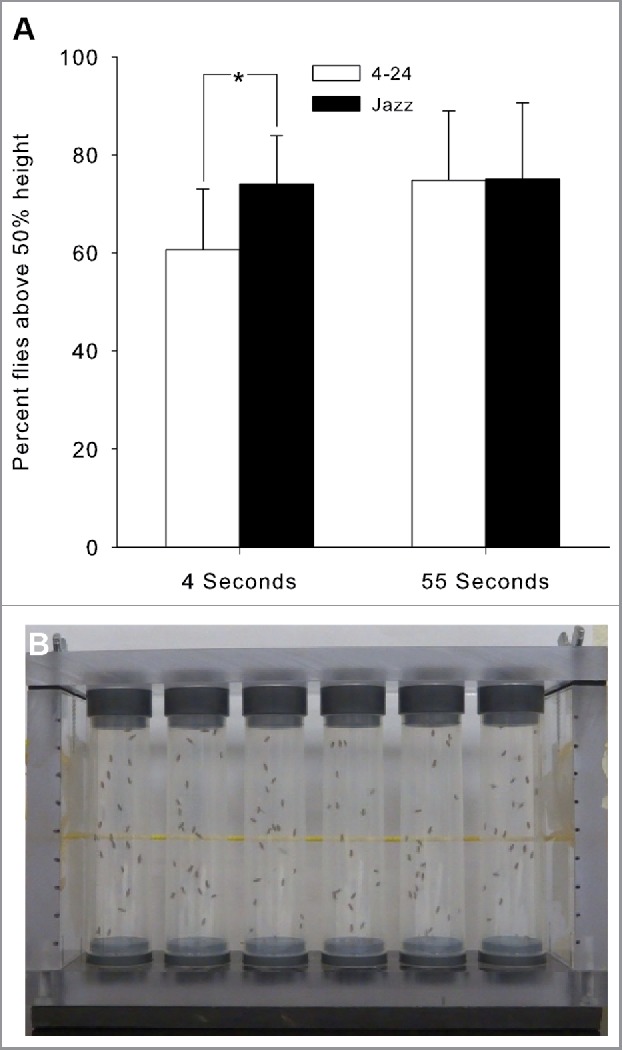
Diet profoundly influences the behavior of animals across many phyla. Despite this, most laboratories using model organisms, such as Drosophila, use multiple, different, commercial or custom-made media for rearing their animals. In addition to measuring growth, fecundity and longevity, we used several behavioral and physiological assays to determine if and how altering food media influence wild-type (Canton S) Drosophila melanogaster, at larval, pupal, and adult stages. Comparing 2 commonly used commercial food media we observed several key developmental and morphological differences. Third-instar larvae and pupae developmental timing, body weight and size, and even lifespan significantly differed between the 2 diets, and some of these differences persisted into adulthood. Diet was also found to produce significantly different thermal preference, locomotory capacity for geotaxis, feeding rates, and lower muscle response to hormonal stimulation. There were no differences, however, in adult thermal preferences, in the number or viability of eggs laid, or in olfactory learning and memory between the diets. We characterized the composition of the 2 diets and found particularly significant differences in cholesterol and (phospho)lipids between them. Notably, diacylglycerol (DAG) concentrations vary substantially between the 2 diets, and may contribute to key phenotypic differences, including lifespan. Overall, the data confirm that 2 different diets can profoundly influence the behavior, physiology, morphology and development of wild-type Drosophila, with greater behavioral and physiologic differences occurring during the larval stages.
Keywords: D. melanogaster; bioactive peptides; diet; geotaxis; learning; locomotion; memory; morphology; muscle; thermal preference.
Figures




References
-
- Kopec S. On the influence of intermittent starvation on the longevity of the imaginal stage of Drosophila melanogaster. J Exp Biol 1928; 5:204-11.
-
- Baumberger JP, Glaser RW. The rearing of drosophila ampelophila loew on solid media. Science 1917; 45:21-2; PMID:17832180; https://doi.org/ 10.1126/science.45.1149.21-b - DOI - PubMed
-
- Doubal S, Klemera P. The effect of antioxidants and dietary restriction on mortality curves. Age (Omaha) 1999; 22:101-5; PMID:23604407; https://doi.org/ 10.1007/s11357-999-0012-5 - DOI - PMC - PubMed
-
- Anagnostou C, Dorsch M, Rohlfs M. Influence of dietary yeasts on Drosophila melanogaster life-history traits. Entomol Exp Appl 2010; 136:1-11; ; https://doi.org/ 10.1111/j.1570-7458.2010.00997.x - DOI
-
- Hartman TR, Strochlic TI, Ji Y, Zinshteyn D, O'Reilly AM. Diet controls Drosophila follicle stem cell proliferation via Hedgehog sequestration and release. J Cell Biol 2013; 201:741-57; PMID:23690177; https://doi.org/ 10.1083/jcb.201212094 - DOI - PMC - PubMed
Publication types
MeSH terms
Grants and funding
LinkOut - more resources
Full Text Sources
Other Literature Sources
Molecular Biology Databases
