


Wheat germ agglutinin-conjugated liposomes incorporated with cardiolipin to improve neuronal survival in Alzheimer's disease treatment
- PMID: 28280340
- PMCID: PMC5340244
- DOI: 10.2147/IJN.S128396
Wheat germ agglutinin-conjugated liposomes incorporated with cardiolipin to improve neuronal survival in Alzheimer's disease treatment
Abstract
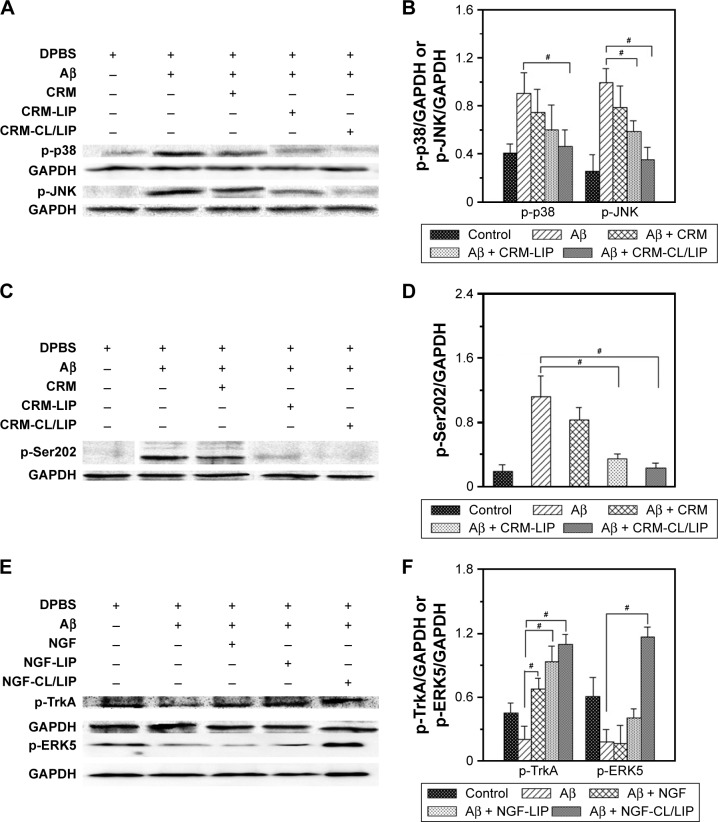
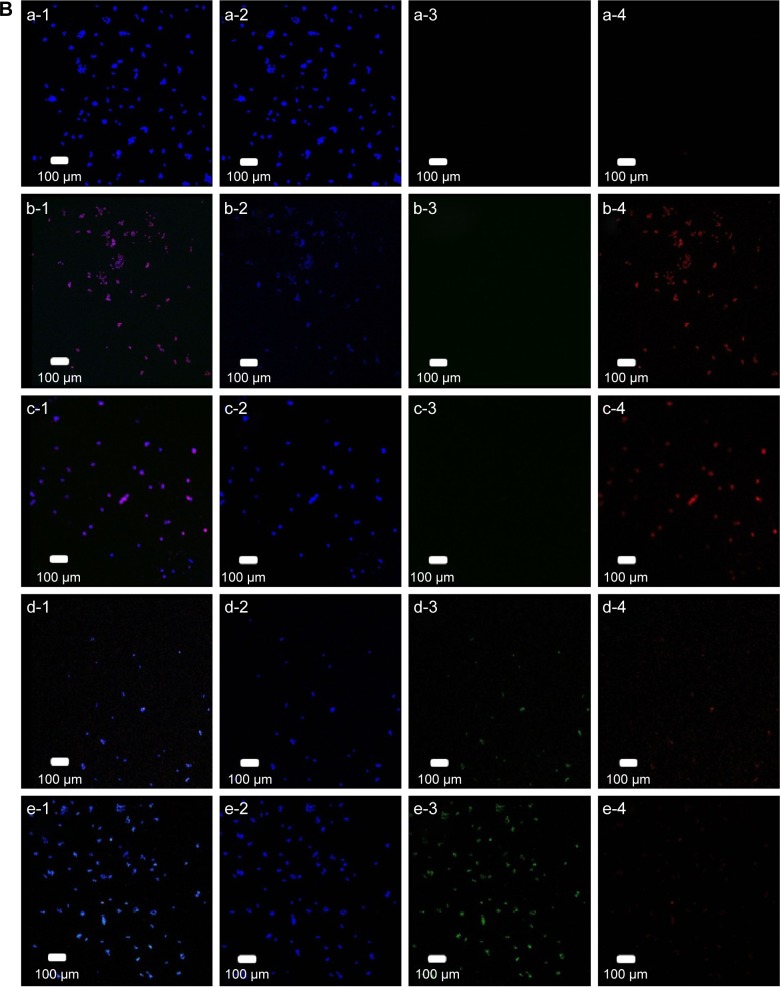
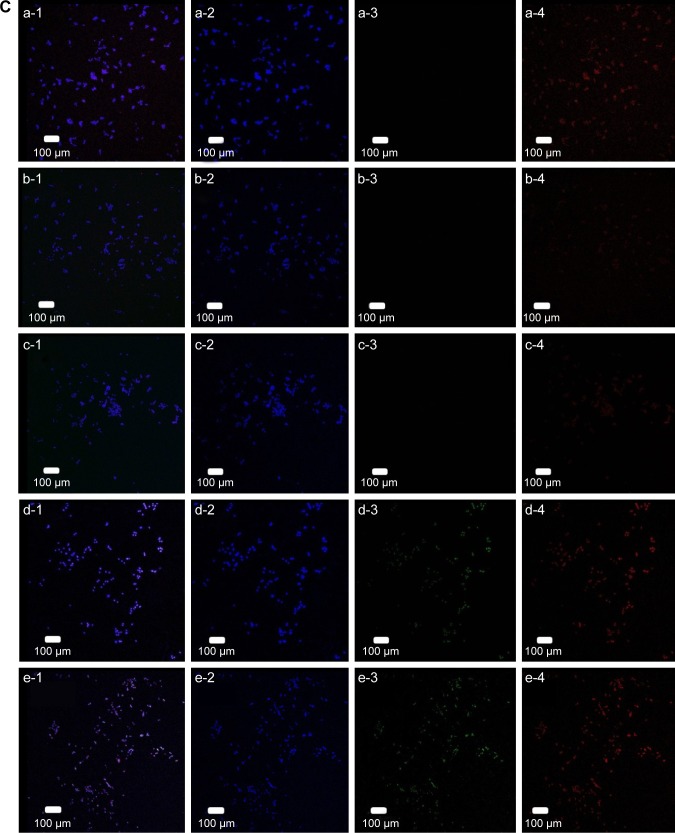
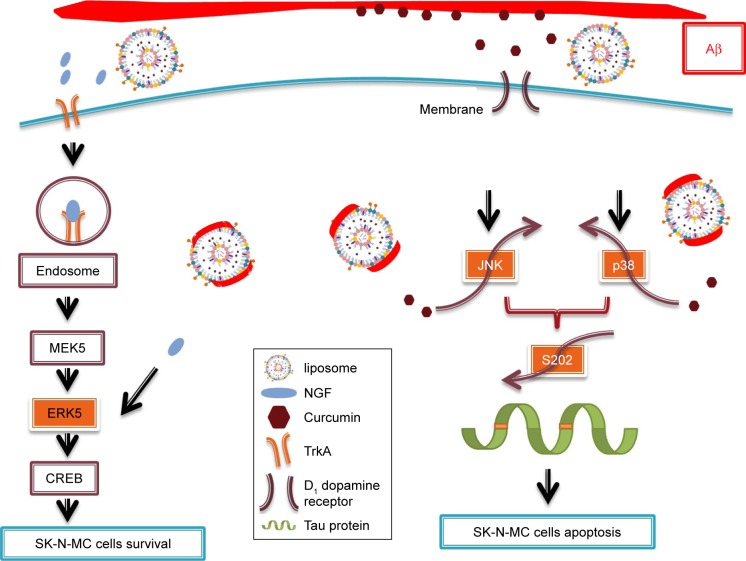
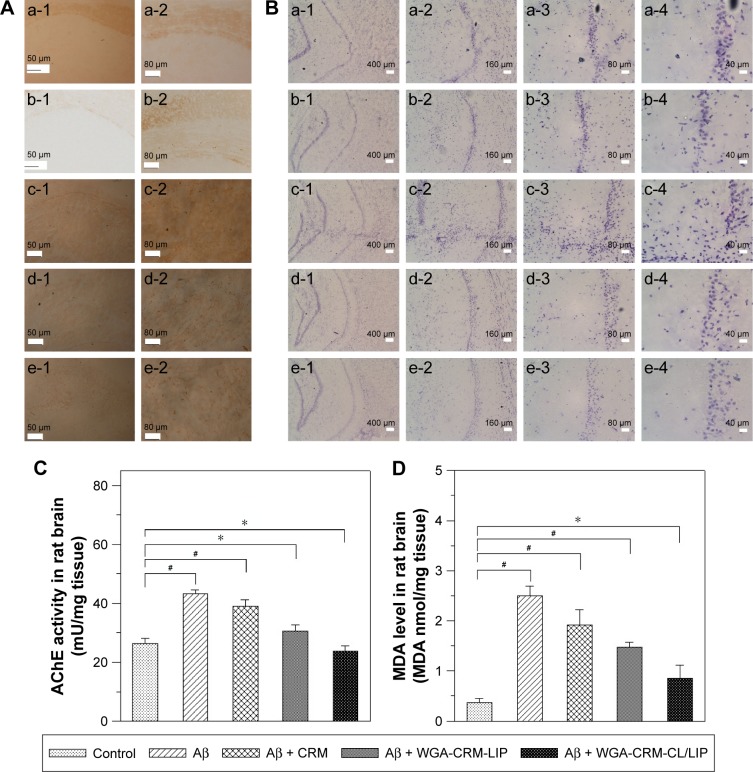
Curcumin (CRM) and nerve growth factor (NGF) were entrapped in liposomes (LIP) with surface wheat germ agglutinin (WGA) to downregulate the phosphorylation of kinases in Alzheimer's disease (AD) therapy. Cardiolipin (CL)-conjugated LIP carrying CRM (CRM-CL/LIP) and also carrying NGF (NGF-CL/LIP) were used with AD models of SK-N-MC cells and Wistar rats after an insult with β-amyloid peptide (Aβ). We found that CRM-CL/LIP inhibited the expression of phosphorylated p38 (p-p38), phosphorylated c-Jun N-terminal kinase (p-JNK), and p-tau protein at serine 202 and prevented neurodegeneration of SK-N-MC cells. In addition, NGF-CL/LIP could enhance the quantities of p-neurotrophic tyrosine kinase receptor type 1 and p-extracellular signal-regulated kinase 5 for neuronal rescue. Moreover, WGA-grafted CRM-CL/LIP and WGA-grafted NGF-CL/LIP significantly improved the permeation of CRM and NGF across the blood-brain barrier, reduced Aβ plaque deposition and the malondialdehyde level, and increased the percentage of normal neurons and cholinergic activity in the hippocampus of AD rats. Based on the marker expressions and in vivo evidence, current LIP carriers can be promising drug delivery systems to protect nervous tissue against Aβ-induced apoptosis in the brain during the clinical management of AD.
Keywords: Alzheimer’s disease; blood–brain barrier; liposome; neurodegeneration; wheat germ agglutinin; β-amyloid.
Conflict of interest statement
Disclosure The authors report no conflicts of interest in this work.
Figures
References
-
- Goedert M, Spillantini MG. A century of Alzheimer’s disease. Science. 2013;314(5800):777–781. - PubMed
-
- Brambilla D, Le Droumaguet B, Nicolas J, et al. Nanotechnologies for Alzheimer’s disease: diagnosis, therapy, and safety issues. Nanomedicine. 2011;7(5):521–540. - PubMed
-
- Basso M, Yang J, Warren L, et al. Volumetry of amygdala and hippocampus and memory performance in Alzheimer’s disease. Psychiatry Res. 2006;146(3):251–261. - PubMed
-
- Anekonda TS, Reddy PH. Can herbs provide a new generation of drugs for treating Alzheimer’s disease? Brain Res Rev. 2005;50(2):361–376. - PubMed
-
- Hampel H, Frank R, Broich K, et al. Biomarkers for Alzheimer’s disease: academic, industry and regulatory perspectives. Nat Rev Drug Discov. 2010;9(7):560–574. - PubMed
MeSH terms
Substances
LinkOut - more resources
Full Text Sources
Other Literature Sources
Medical
Research Materials
Miscellaneous
