


Myocardial oxidative damage is induced by cardiac Fas-dependent and mitochondria-dependent apoptotic pathways in human cocaine-related overdose
- PMID: 28281685
- PMCID: PMC5345006
- DOI: 10.1038/srep44262
Myocardial oxidative damage is induced by cardiac Fas-dependent and mitochondria-dependent apoptotic pathways in human cocaine-related overdose
Abstract
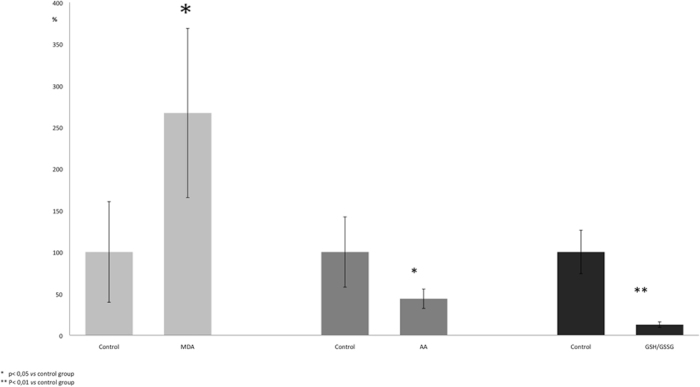
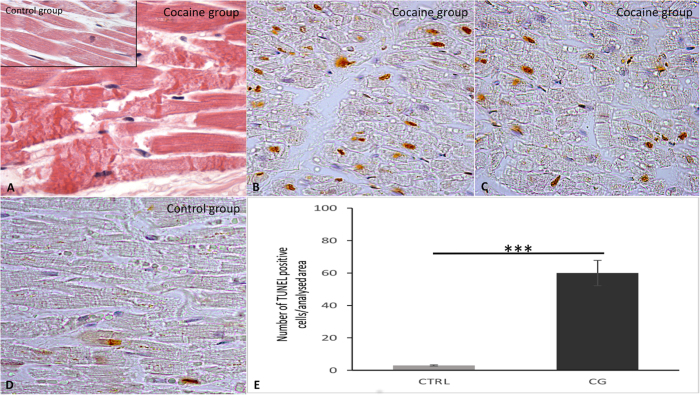
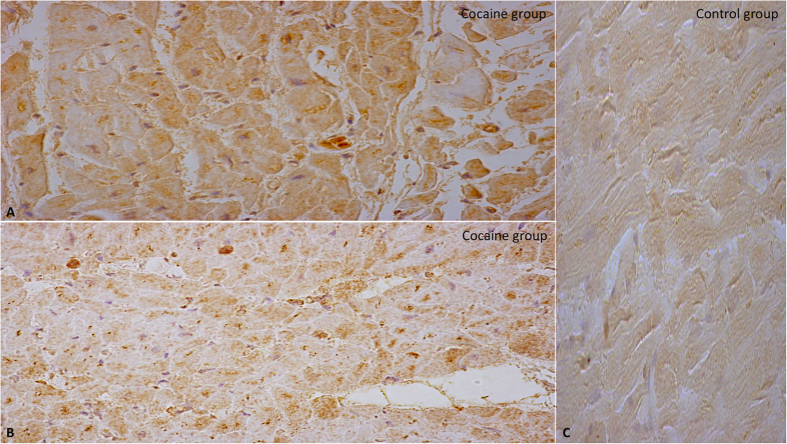
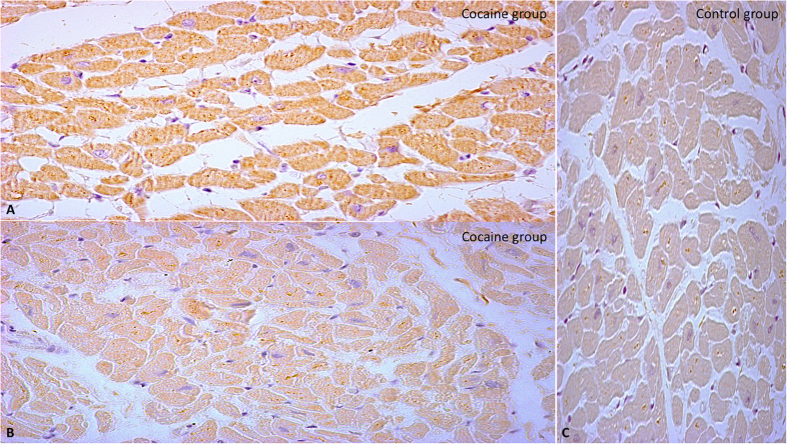
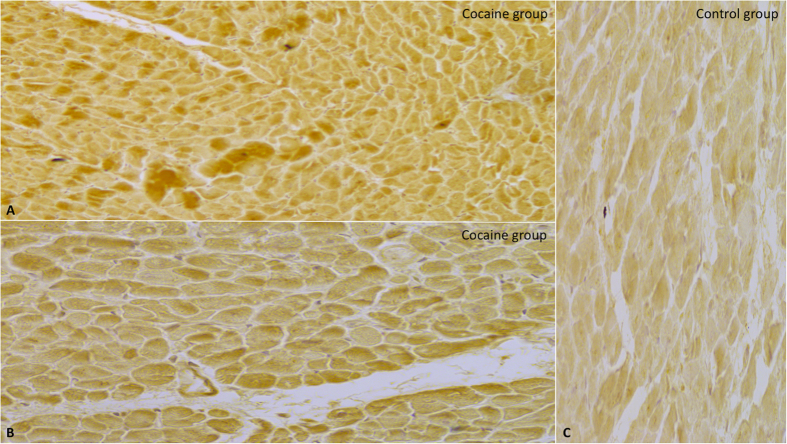
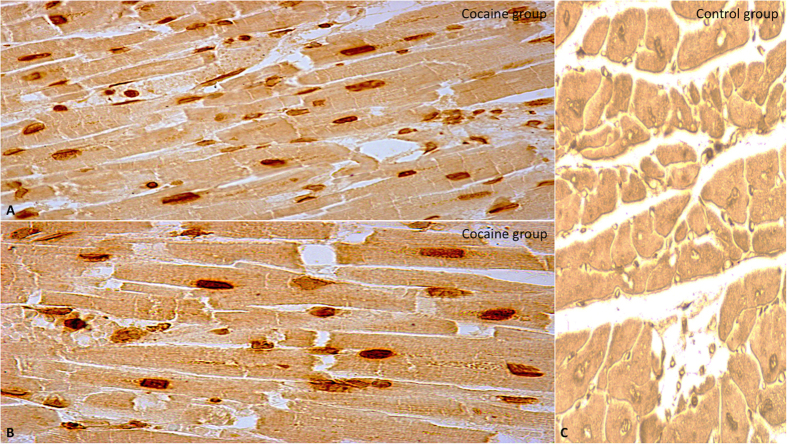
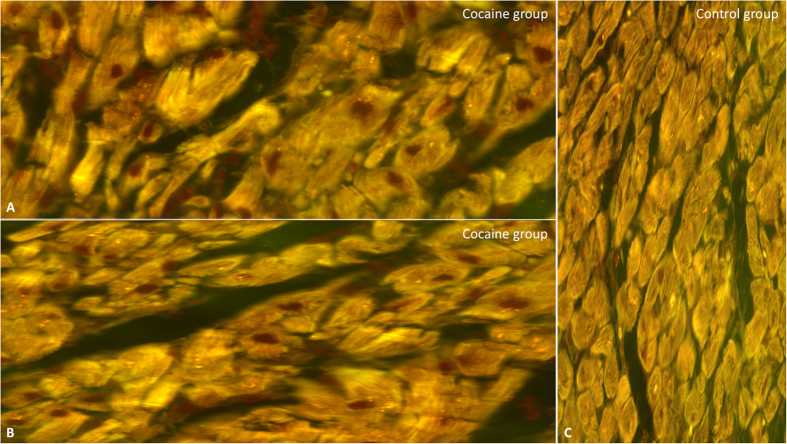
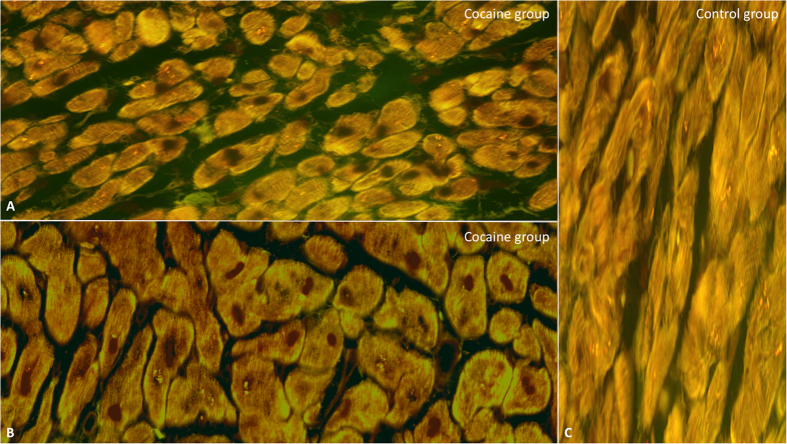
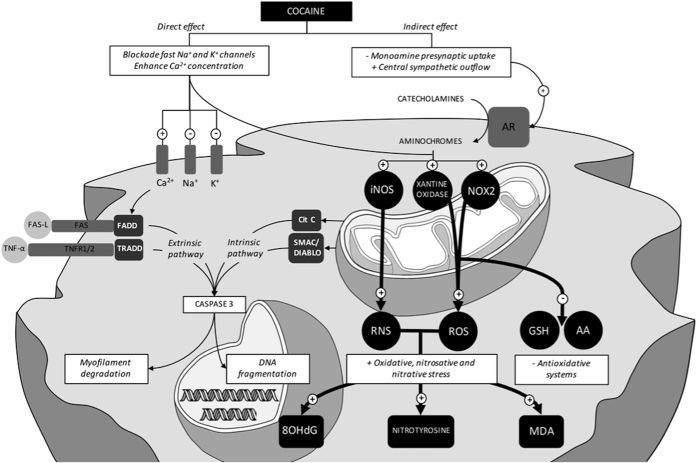
The aim of this study is to analyse cardiac specimens from human cocaine-related overdose, to verify the hypothesis that cardiac toxicity by acute exposure to high dosage of cocaine could be mediated by unbalanced myocardial oxidative stress, and to evaluate the apoptotic response. To address these issues, biochemical and immunohistological markers of oxidative/nitrosative stress were evaluated. We found that i-NOS, NOX2 and nitrotyrosine expression were significantly higher in the hearts of subjects who had died from high doses of cocaine, compared to the control group. Increase of these markers was associated with a dramatic increase in 8-OHdG, another marker of oxidative stress. A high number of TUNEL-positive apoptotic myocells was observed in the study group compared to the control group. The immunoexpression of TNF-α was significantly higher in the cocaine group compared to the control group. Furthermore, we detected a significantly stronger immunoresponse to anti-SMAC/DIABLO in our study group compared to control cases. Both cardiac Fas-dependent and mitochondria-dependent apoptotic pathways appeared to be activated to a greater extent in the cocaine group than in the control group. Our results highlight the central role of oxidative stress in cocaine toxicity. High levels of NOS can promote the oxidation process and lead to apoptosis.
Conflict of interest statement
The authors declare no competing financial interests.
Figures
References
-
- United Nation Office on Drugs and Crime, World Drug Report 2015. Available at: https://www.unodc.org/documents/wdr2015/World_Drug_Report_2015.pdf. (Accessed: 22th March 2016) (2015).
-
- Riezzo I. et al. Side effects of cocaine abuse: multiorgan toxicity and pathological consequences. Curr. Med. Chem. 19, 5624–5646 (2012). - PubMed
-
- Turillazzi E. et al. Cardiovascular effects of cocaine: cellular, ionic and molecular mechanisms. Curr. Med. Chem. 19, 5664–5676 (2012). - PubMed
-
- Kloner R. A. & Rezkalla S. H. Cocaine and the heart. N. Engl. J. Med. 348, 487–488 (2003). - PubMed
MeSH terms
Substances
LinkOut - more resources
Full Text Sources
Other Literature Sources
Research Materials
Miscellaneous
