Review
. 2017 Jul:171:157-177.
doi: 10.1016/j.jsbmb.2017.03.008. Epub 2017 Mar 9.

Virtual screening applications in short-chain dehydrogenase/reductase research

Affiliations
Review

Virtual screening applications in short-chain dehydrogenase/reductase research

Katharina R Beck et al. J Steroid Biochem Mol Biol. 2017 Jul.

Abstract

Several members of the short-chain dehydrogenase/reductase (SDR) enzyme family play fundamental roles in adrenal and gonadal steroidogenesis as well as in the metabolism of steroids, oxysterols, bile acids, and retinoids in peripheral tissues, thereby controlling the local activation of their cognate receptors. Some of these SDRs are considered as promising therapeutic targets, for example to treat estrogen-/androgen-dependent and corticosteroid-related diseases, whereas others are considered as anti-targets as their inhibition may lead to disturbances of endocrine functions, thereby contributing to the development and progression of diseases. Nevertheless, the physiological functions of about half of all SDR members are still unknown. In this respect, in silico tools are highly valuable in drug discovery for lead molecule identification, in toxicology screenings to facilitate the identification of hazardous chemicals, and in fundamental research for substrate identification and enzyme characterization. Regarding SDRs, computational methods have been employed for a variety of applications including drug discovery, enzyme characterization and substrate identification, as well as identification of potential endocrine disrupting chemicals (EDC). This review provides an overview of the efforts undertaken in the field of virtual screening supported identification of bioactive molecules in SDR research. In addition, it presents an outlook and addresses the opportunities and limitations of computational modeling and in vitro validation methods.

Keywords: Drug development; Endocrine disrupting chemicals; Hydroxysteroid dehydrogenase; Short-chain dehydrogenase/reductase; Virtual screening.


Conflict of interest statement

Conflicts of Interest

The authors declare no conflict of interest.

Figures
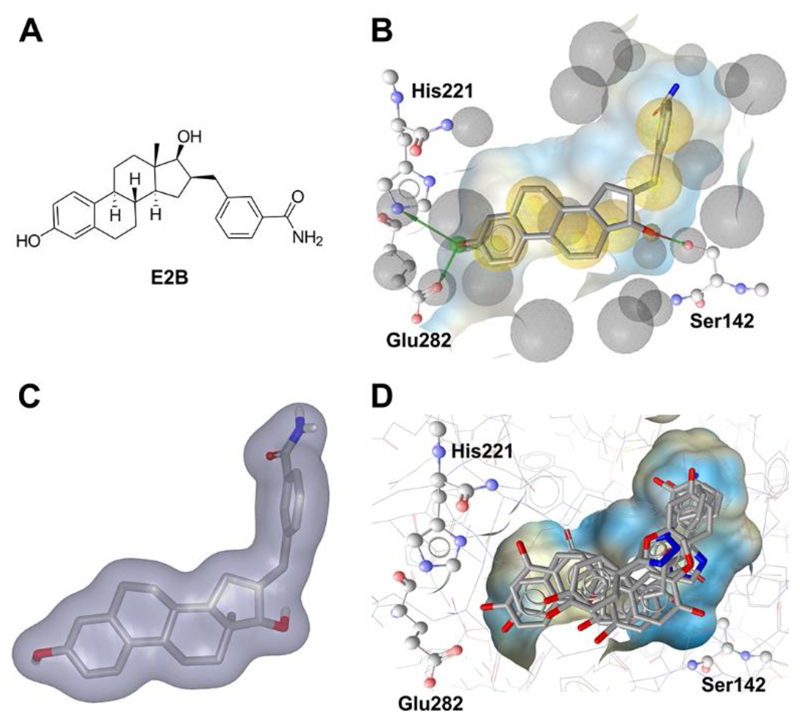
Figure 1
Figure 1
Principles of commonly applied virtual screening tools exemplified on the crystal structure of 17β-HSD1 in complex with a steroidal inhibitor. (A) Based on the 2D structure of the inhibitor (the estradiol analogue E2B, 3-[3′,17′β-dihydroxyestra-1′,3′,5′(10′)-trien-16′β-methyl]benzamide, PDB code 3HB5 [211]), structurally similar compounds can be retrieved from a compound database in the course of a 2D similarity-based search. (B) A pharmacophore model can be created based on the ligand-target interactions patterns in the crystal complex. Exclusion volumes (Xvols, gray spheres) can be added on residues lining the binding site, thereby mimicking the steric constraints of the pocket. Red arrows: HBA, green arrows: HBD, yellow spheres: H features. (C) The shape of the inhibitor defines the 3D space in which other active chemicals may fit. (D) Diverse compounds from a chemical database docked into the binding pocket of 17β-HSD1.
Figure 2
Figure 2
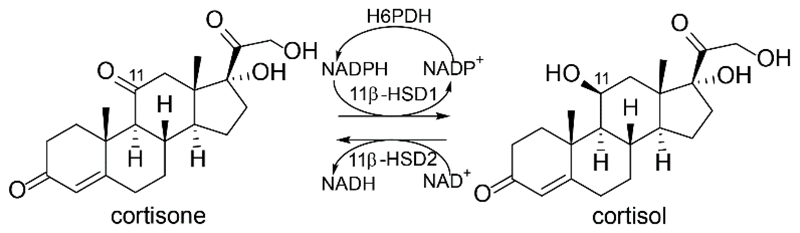
Conversion of cortisone to cortisol by 11β-HSD1 using NADPH, supplied by hexose-6-phosphate dehydrogenase (H6PDH), and oxidation of cortisol to cortisone catalyzed by 11β-HSD2 using NAD+ as cofactor.
Figure 3
Figure 3
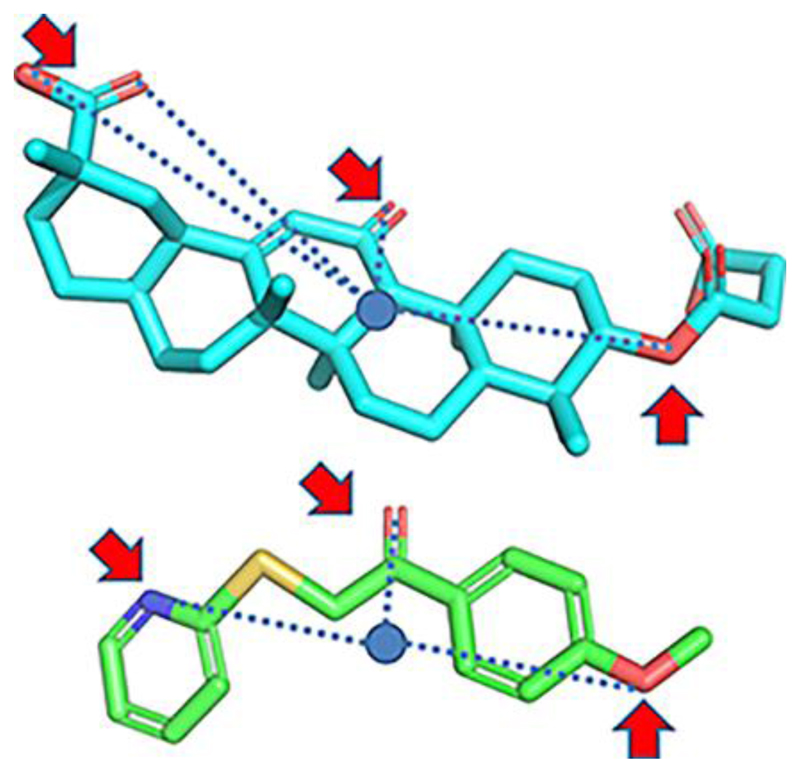
Carbenoxolone (top) and hit molecule with a preserved key pattern of atoms involved in hydrogen bonding [95].
Figure 4
Figure 4
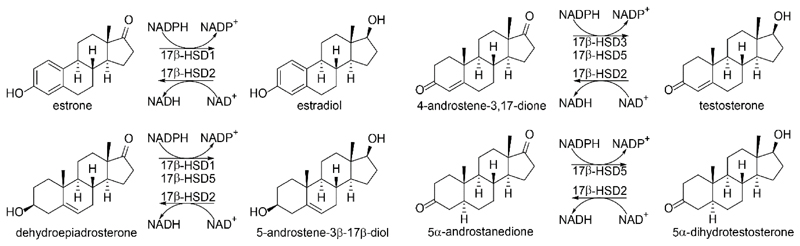
Selected 17β-HSDs involved in estrogen and androgen steroid metabolism.
Figure 5
Figure 5
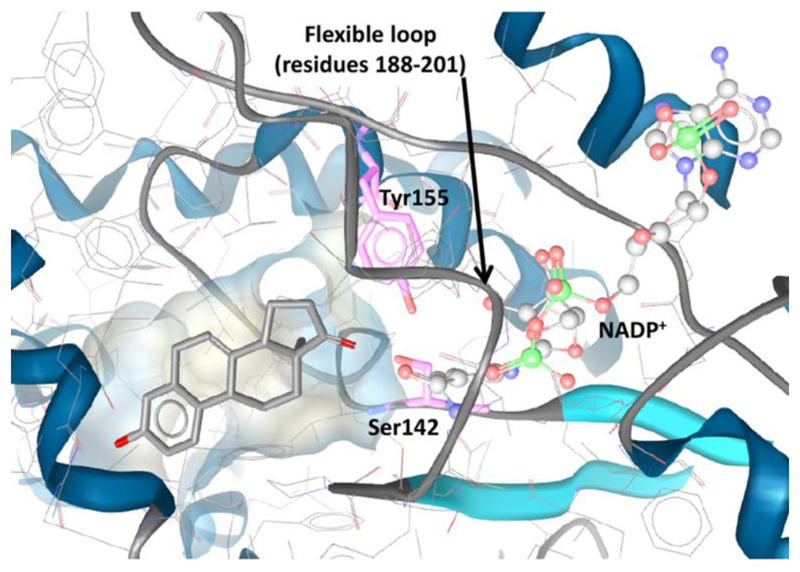
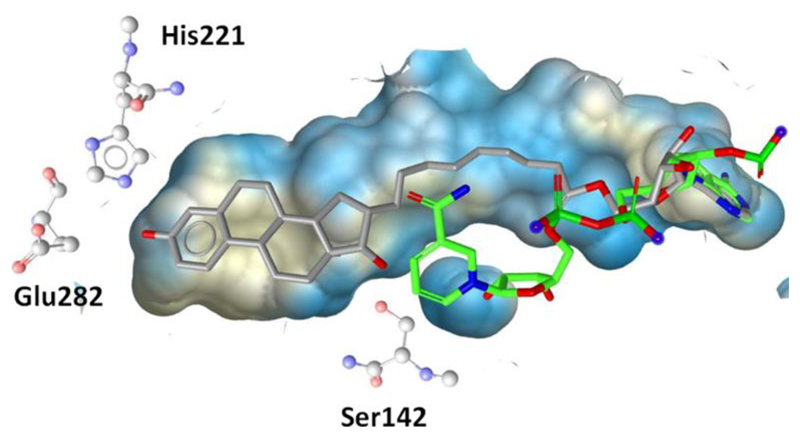
Substrate binding pocket of 17β-HSD1 with the co-crystallized ligand equilin (PDB 1EQU), catalytic key residues (Ser142 and Tyr155), a flexible loop (residues 188-201) and NADP+.
Figure 6
Figure 6
The hybrid inhibitor EM1745 (gray) occupies both the steroid and the co-factor (green) binding site in 17β-HSD1 (PDB entry 1I5R). The co-factor conformation was taken from the PDB entry 3HB5.
Figure 7
Figure 7
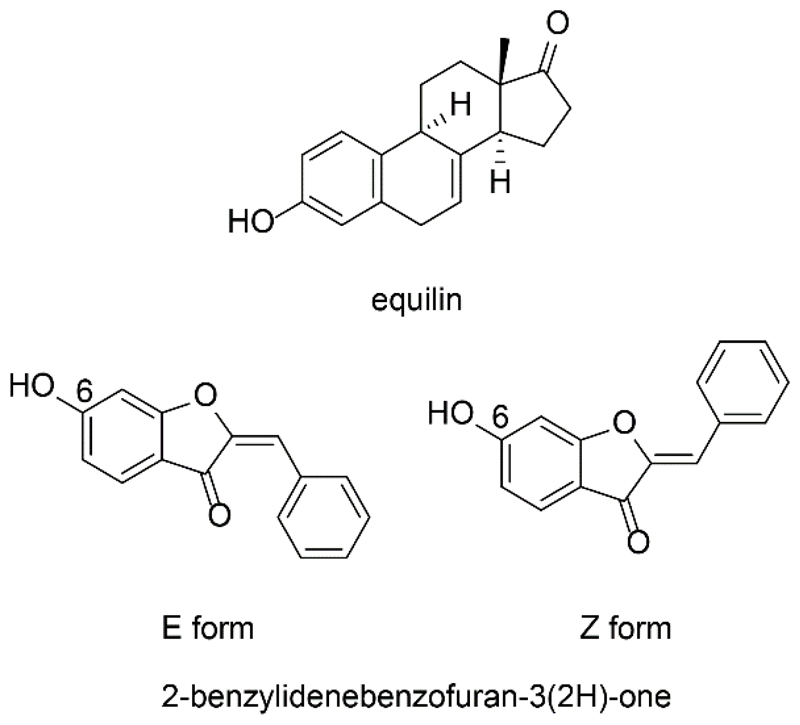
Equilin and E respectively Z form of 2-benzylidenebenzofuran-3(2H)-one structure.
Figure 8
Figure 8
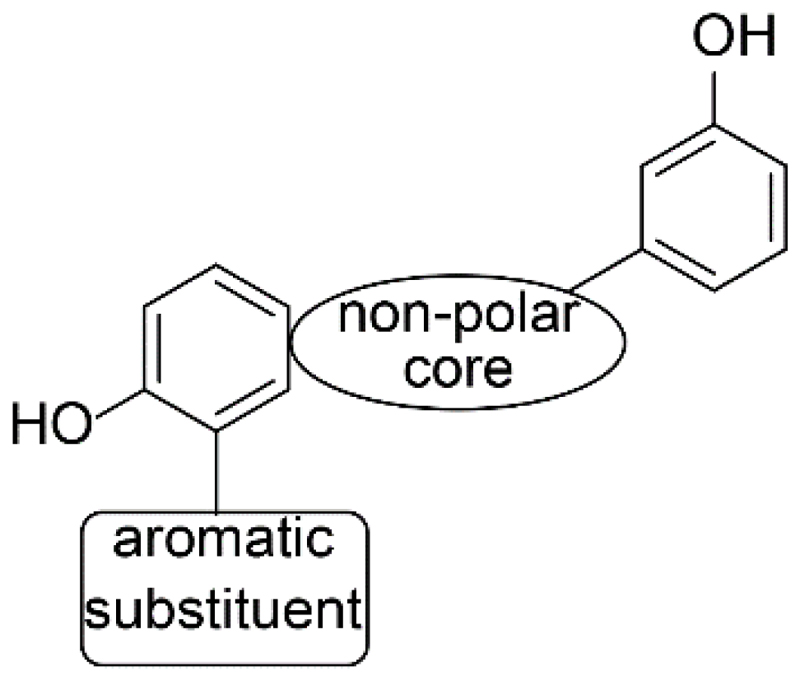
Revised pharmacophore for 17β-HSD1 inhibitors (adapted from Marchais-Oberwinkler et al. [141]).
Figure 9
Figure 9
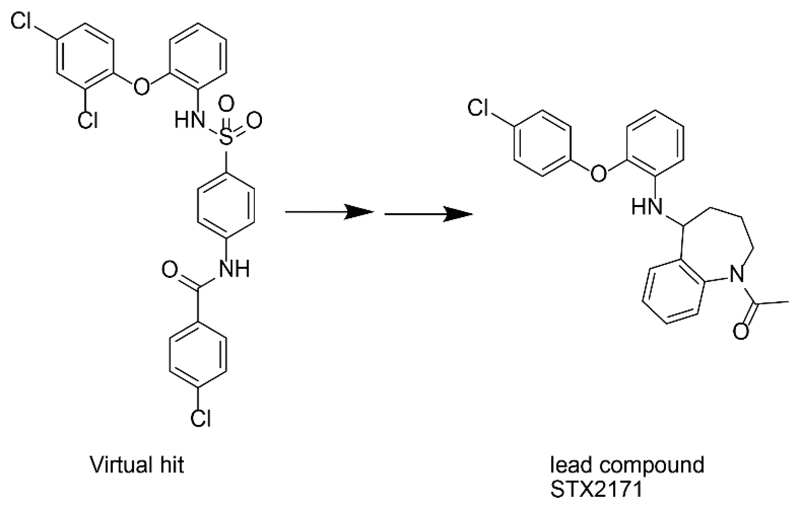
Virtual screening hit compared to 17β-HSD3 inhibitor STX2171 found by Vicker et al. [166].
Figure 10
Figure 10
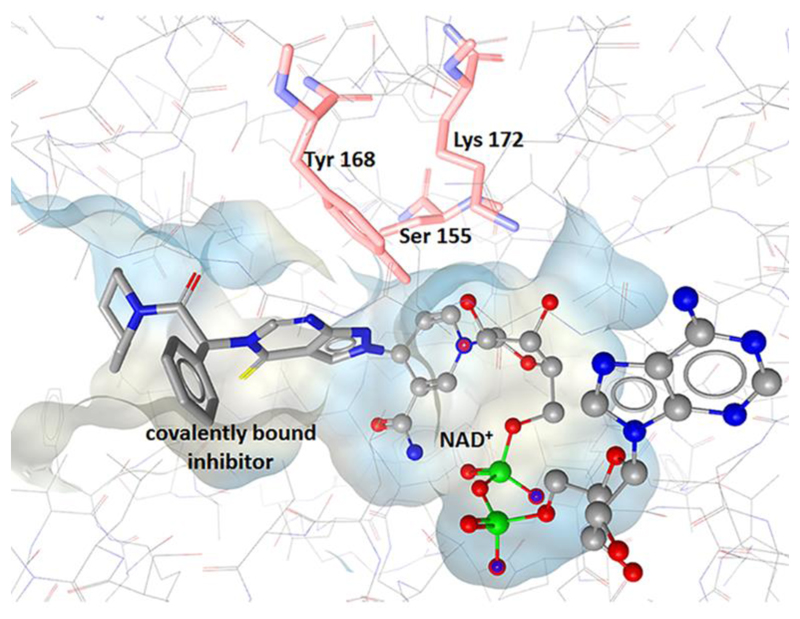
Binding pocket of 17β-HSD10 with residues of the catalytic triad and co-crystallized ligand covalently bound to NAD+ (PDB 1U7T).
Figure 11
Figure 11
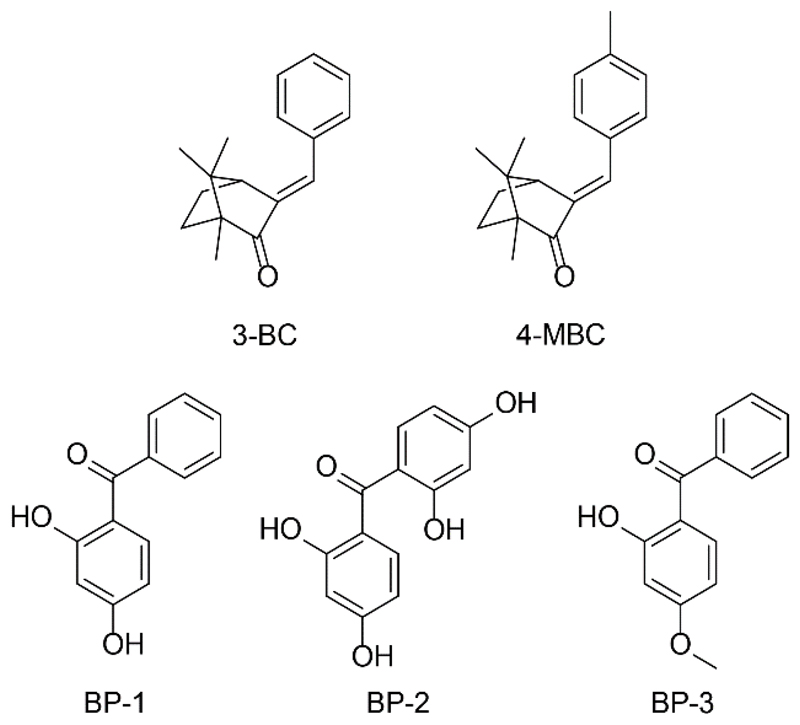
Benzophenones (BP-1, BP-2, BP-3), 3-benzylidene camphor (3-BC), and 4-methylbenzylidene camphor (4-MBC).
Figure 12
Figure 12
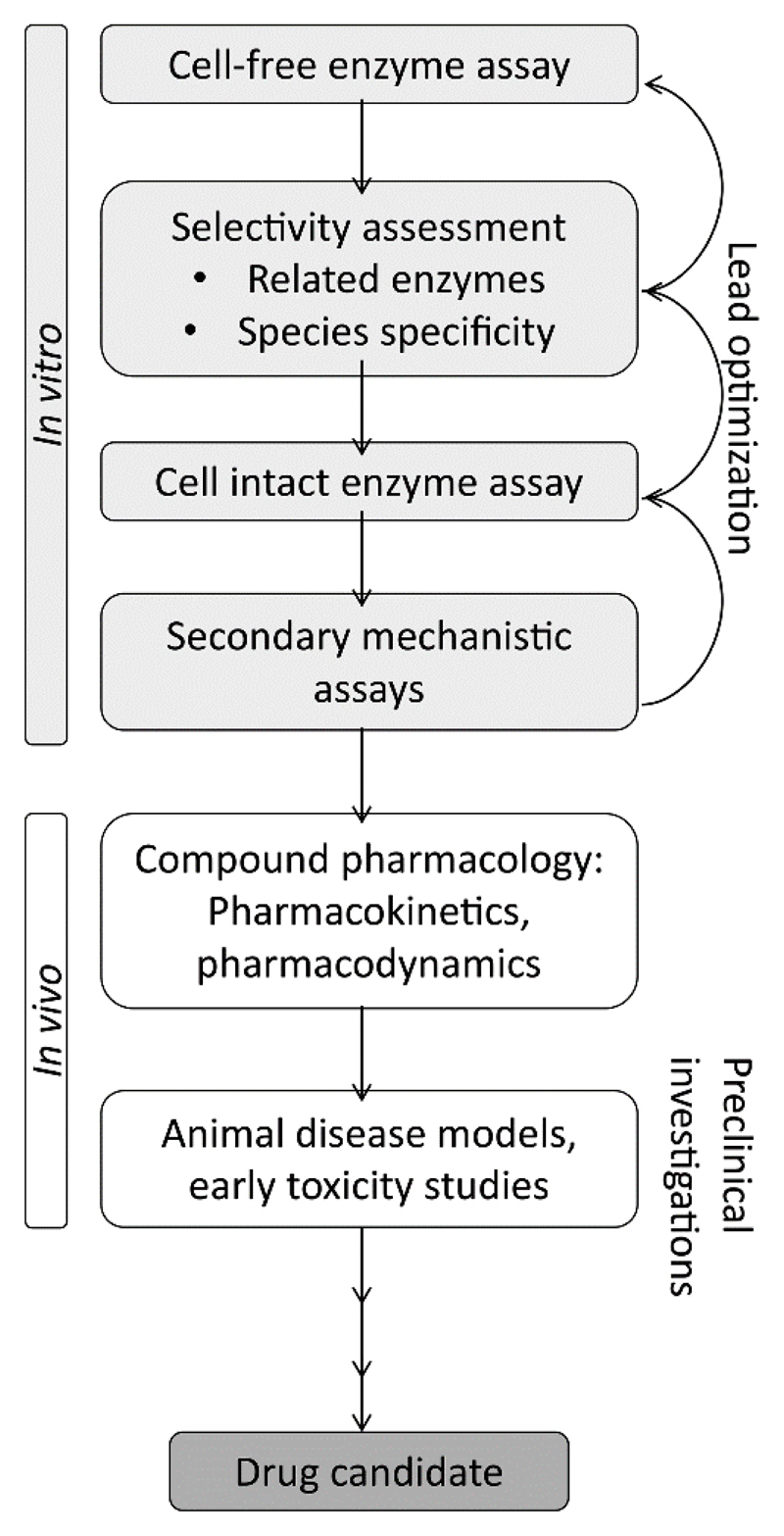
Potential screening strategy for biological validation of in silico derived hits.

References

    1. Kallberg Y, Oppermann U, Persson B. Classification of the short-chain dehydrogenase/reductase superfamily using hidden Markov models. FEBS J. 2010;277:2375–2386. - PubMed
    1. Hosfield DJ, Wu Y, Skene RJ, Hilgers M, Jennings A, Snell GP, Aertgeerts K. Conformational flexibility in crystal structures of human 11β-hydroxysteroid dehydrogenase type I provide insights into glucocorticoid interconversion and enzyme regulation. J Biol Chem. 2005;280:4639–4648. - PubMed
    1. Kavanagh KL, Jornvall H, Persson B, Oppermann U. Medium- and short-chain dehydrogenase/reductase gene and protein families: The SDR superfamily: Functional and structural diversity within a family of metabolic and regulatory enzymes. Cell Mol Life Sci. 2008;65:3895–3906. - PMC - PubMed
    1. Miller WL, Auchus RJ. The molecular biology, biochemistry, and physiology of human steroidogenesis and its disorders. Endocr Rev. 2011;32:81–151. - PMC - PubMed
    1. Penning TM, Bauman DR, Jin Y, Rizner TL. Identification of the molecular switch that regulates access of 5alpha-DHT to the androgen receptor. Mol Cell Endocrinol. 2007;265–266:77–82. - PMC - PubMed

Publication types

MeSH terms

LinkOut - more resources