Review
. 2017 May;28(5):340-353.
doi: 10.1016/j.tem.2017.02.004. Epub 2017 Mar 11.

Nicotinamide N-Methyltransferase: More Than a Vitamin B3 Clearance Enzyme

Affiliations
Review

Nicotinamide N-Methyltransferase: More Than a Vitamin B3 Clearance Enzyme

Pavlos Pissios. Trends Endocrinol Metab. 2017 May.

Abstract

Nicotinamide (NAM) N-methyltransferase (NNMT) was originally identified as the enzyme responsible for the methylation of NAM, one of the forms of vitamin B3. Methylated NAM is eventually excreted from the body. Recent evidence has expanded the role of NNMT beyond clearance of excess vitamin B3. NNMT has been implicated in the regulation of multiple metabolic pathways in tissues such as adipose and liver as well as cancer cells through the consumption of methyl donors and generation of active metabolites. This review examines recent findings regarding the function of NNMT in physiology and disease and highlights potential new avenues for therapeutic intervention. Finally, key gaps in our knowledge about this enzymatic system and future areas of investigation are discussed.


Figures

Box 2 Figure
Box 2 Figure
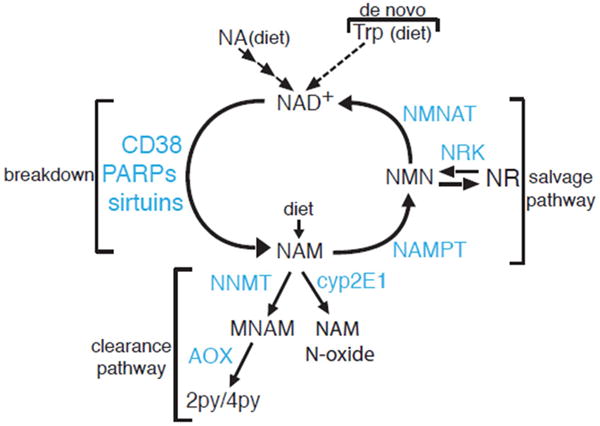
NAD+ Synthesis, Recycling and Clearance. Schematic representation of enzymatic reactions involved in the metabolism of NAD+, including NAD+ synthesis from dietary precursors, breakdown, recycling and clearance of metabolic intermediates.
Box 3 Figure
Box 3 Figure
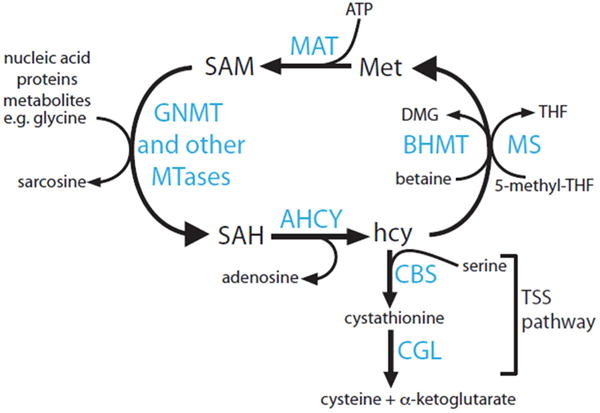
The Methionine Cycle. Schematic representation of enzymatic reactions involved in the catabolism of methionine, synthesis and utilization of S-adenosylmethionine (SAM) by methyltransferases, and recycling and disposal of homocysteine (hcy).
Figure 1
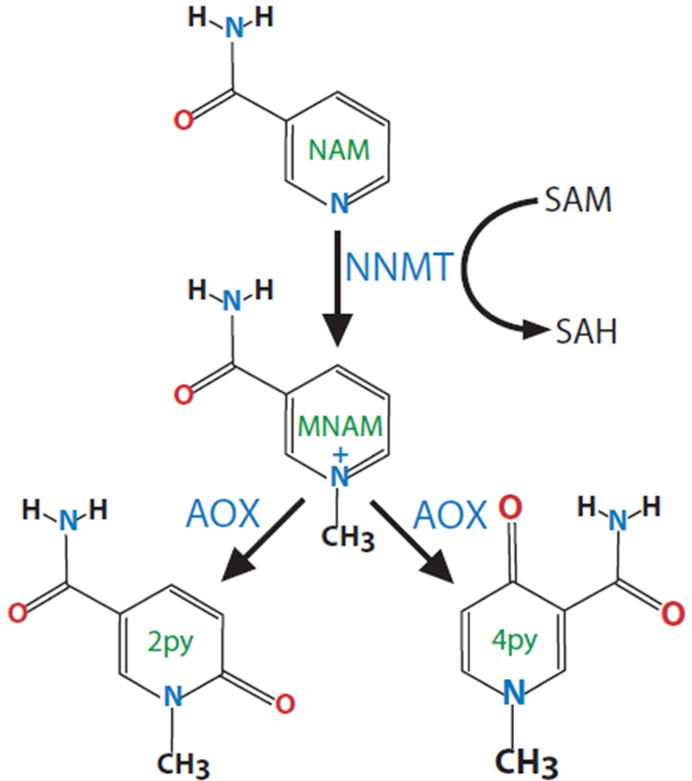
Figure 1. Enzymatic pathway for NAM methylation
Nicotinamide (NAM) is methylated by nicotinamide N-methyltransferase (NNMT) using the universal methyl donor S-Adenosylmethionine (SAM). The methylated product N1-methylnicotinamide (MNAM) is further oxidized by aldehyde oxidase (Aox) into two related compounds 2py and 4py. All three metabolites are eventually excreted in the urine.
Figure 2
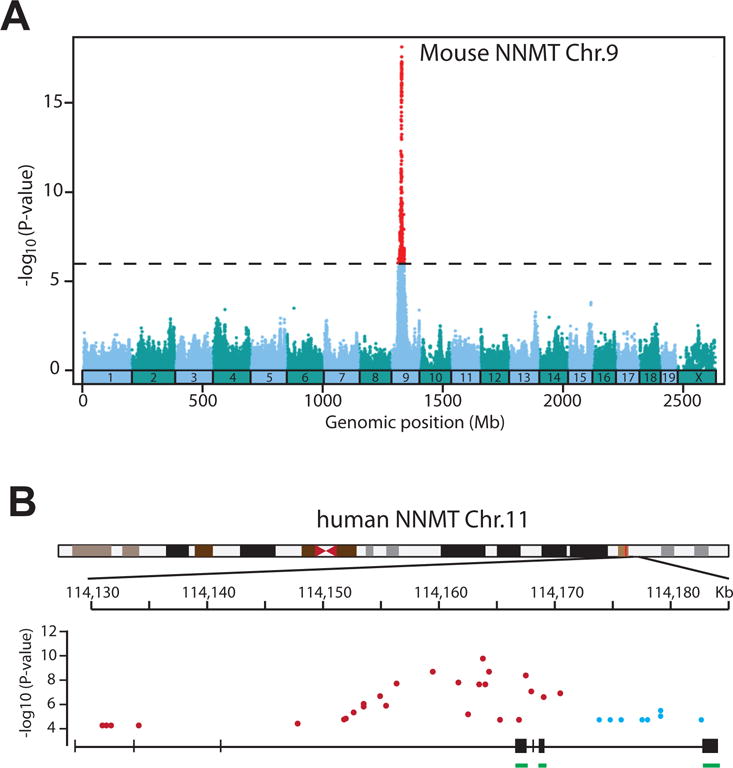
Figure 2. Genetic variation influences NNMT expression in mice and humans
A. eQTLs in the vicinity of the mouse NNMT locus (chr.9) associate strongly with NNMT mRNA levels (adopted from the HMDP database). B. Distribution of eQTLs in the NNMT locus isolated from adipose tissue (blue) and transformed fibroblasts (red). Coding exons are underlined (green) (adopted from GTEx). −Log10 (P value) genome wide significance.
Figure 3
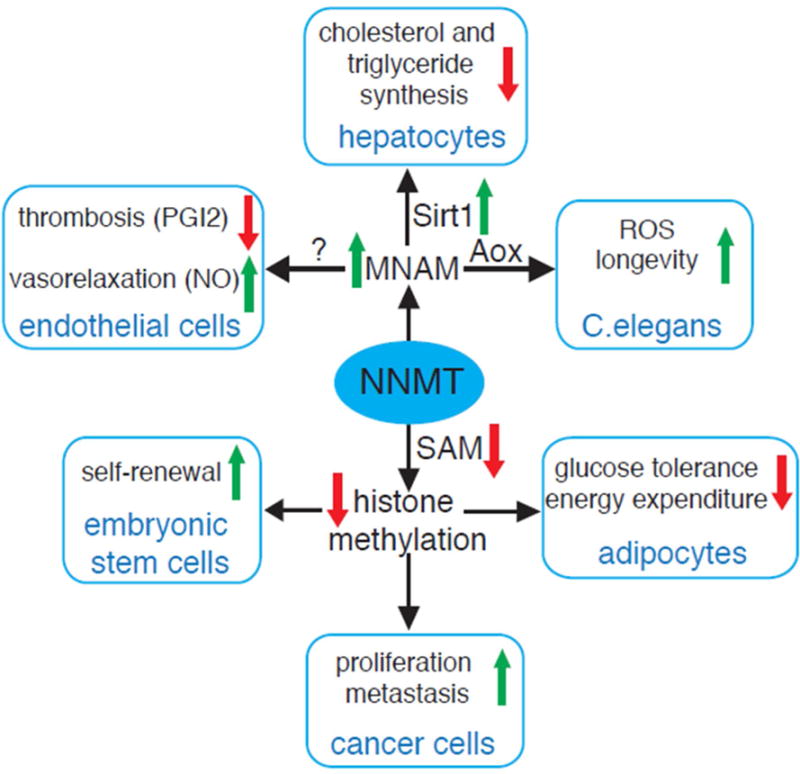
Figure 3. NNMT-centric view of the intracellular pathways regulated by NNMT
NNMT consumes SAM to methylate NAM, a form of vitamin B3. Consumption of SAM in adipose tissue, some cancer cells and hECSs decreases SAM levels and global methylation of selected epigenetic marks. The biological effects are cell specific and range from fat accumulation in adipocytes, to increased proliferation and invasiveness of cancer cells to maintenance of hESCs ‘stemness’. The product of NNMT, MNAM interferes with Sirt1 degradation leading to deacetylation of Sirt1 targets and suppression of triglyceride and cholesterol synthesis in hepatocytes. MNAM exerts antothrombotic and vasodillatory effects in endothelial cells. Oxidation of MNAM by the C.elegans homolog of Aox, increases ROS production and life span in the nematode.

References

    1. Aksoy S, et al. Human liver nicotinamide N-methyltransferase. cDNA cloning, expression, and biochemical characterization. J Biol Chem. 1994;269:14835–14840. - PubMed
    1. Felsted RL, Chaykin S. N1-Methylnicotinamide Oxidation in a Number of Mammals. J Biol Chem. 1967;242:1274–1279. - PubMed
    1. Real AM, et al. Nicotinamide N-oxidation by CYP2E1 in human liver microsomes. Drug Metab Dispos Biol Fate Chem. 2013;41:550–553. - PMC - PubMed
    1. Chaykin S, et al. The fate of nicotinamide in the mouse. Urinary metabolites. J Biol Chem. 1965;240:932–938. - PubMed
    1. Shibata K, et al. Niacin catabolism in rodents. J Nutr Sci Vitaminol (Tokyo) 1990;36:87–98. - PubMed

Publication types

Substances