


Sexual dimorphism in the effect of maternal obesity on antioxidant defense mechanisms in the human placenta
- PMID: 28292470
- PMCID: PMC5386402
- DOI: 10.1016/j.placenta.2017.02.004
Sexual dimorphism in the effect of maternal obesity on antioxidant defense mechanisms in the human placenta
Abstract
Introduction: Maternal obesity creates an adverse intrauterine environment, negatively impacts placental respiration, is associated with a higher incidence of pregnancy complications and programs the offspring for disease in adult life in a sexually dimorphic manner. We defined the effect of maternal obesity and fetal sex on pro- and anti-oxidant status in placenta and placental mitochondria.
Methods: Placental villous tissue was collected at term via c-section prior to labor from four groups of patients based on fetal sex and prepregnancy/1st trimester body mass index: lean - BMI 22.1 ± 0.3 (6 male, 6 female) and obese - BMI 36.3 ± 0.4 (6 male, 6 female). Antioxidant enzyme activity, mitochondrial protein carbonyls, nitrotyrosine residues, total and nitrated superoxide dismutase (SOD) and nitric oxide synthesis were measured.
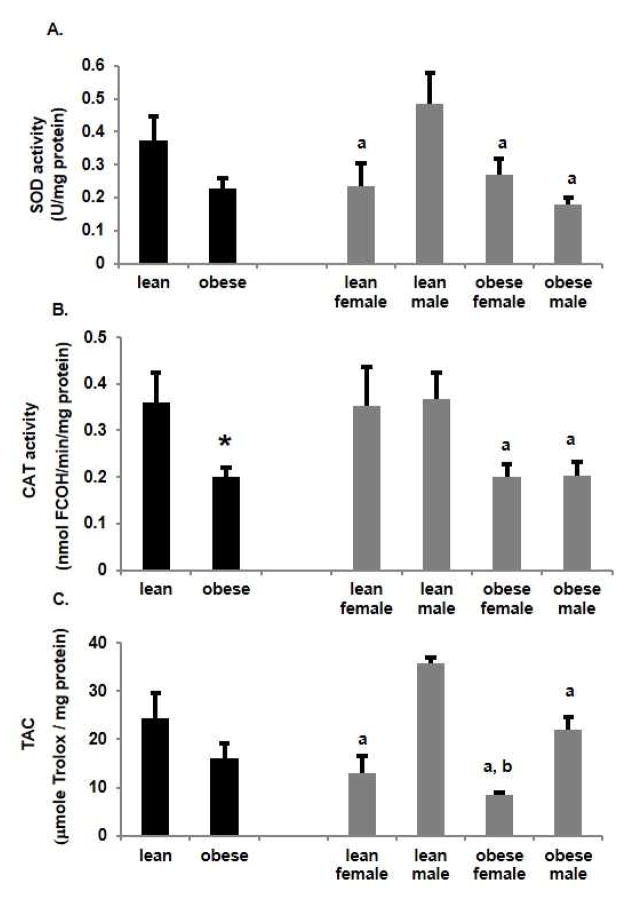
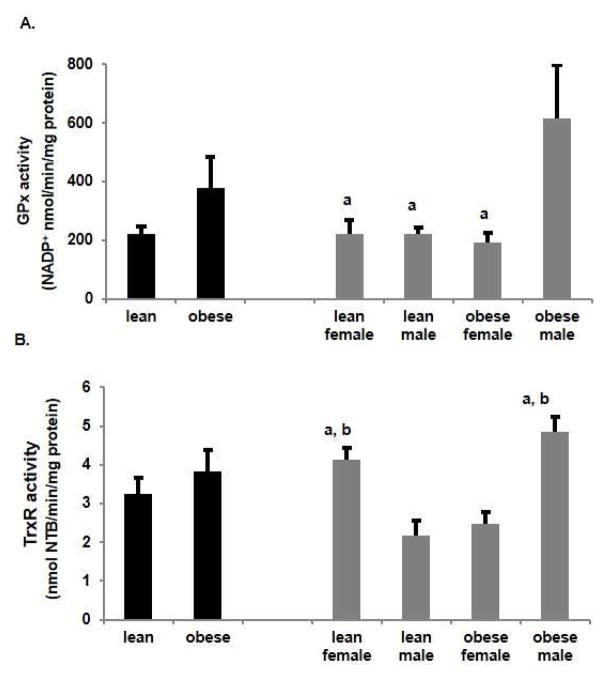
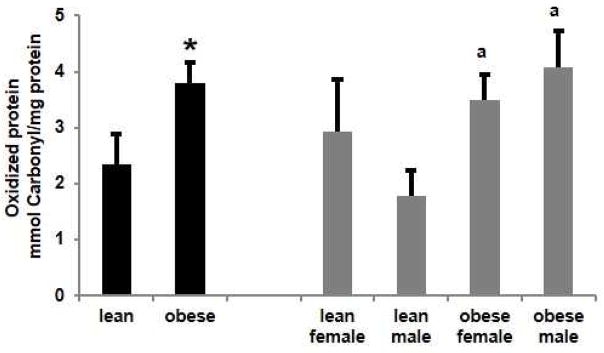
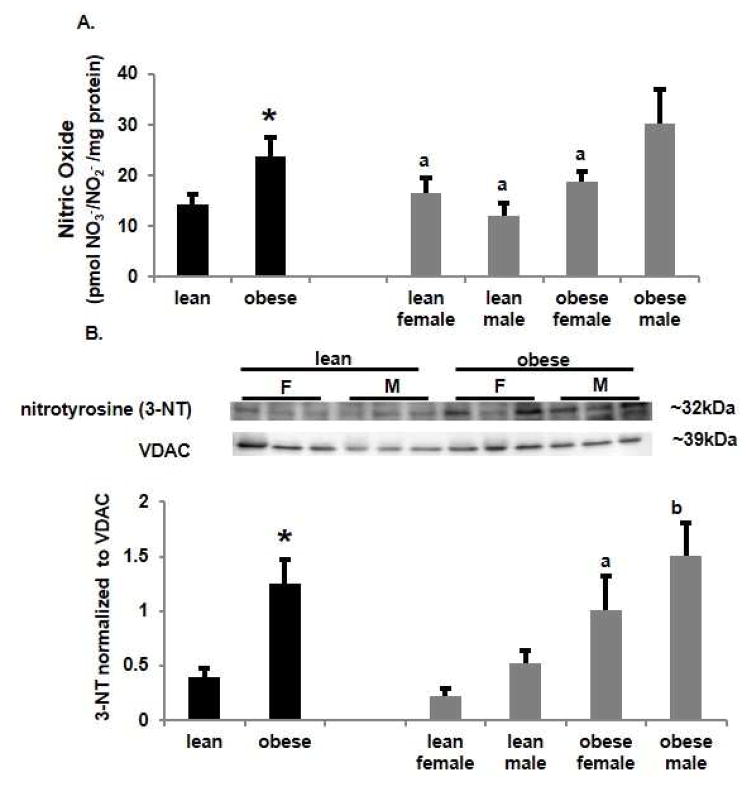
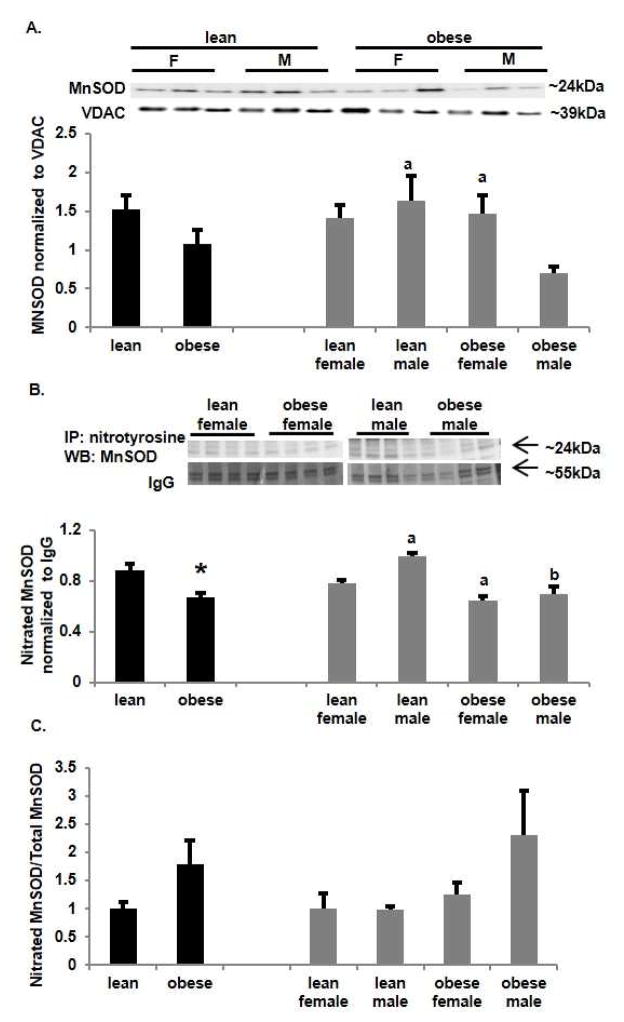
Results: Maternal obesity was associated with decreased SOD and catalase activity, and total antioxidant capacity (TAC), but increased oxidative (protein carbonyls) and nitrative (nitrotyrosine) stress in a sexually dimorphic manner. Placentas of lean women with a male fetus had higher SOD activity and TAC (p < 0.05) than other groups whereas obese women with a male fetus had highest carbonyls and nitrotyrosine (p < 0.05). Glutathione peroxidase and thioredoxin reductase activity increased with obesity, significantly with a male fetus, perhaps as a compensatory response.
Conclusion: Maternal obesity affects oxidative stress and antioxidant activity in the placenta in a sexually dimorphic manner. The male fetus of a lean women has the highest antioxidant activity, a protection which is lost with obesity perhaps contributing to the increased incidence of adverse outcomes with a male fetus.
Keywords: Antioxidants; Mitochondria; Obesity; Oxidative stress; Placenta.
Copyright © 2017 Elsevier Ltd. All rights reserved.
Figures
References
-
- Heslehurst N, Rankin J, Wilkinson JR, Summerbell CD. A nationally representative study of maternal obesity in England, UK: trends in incidence and demographic inequalities in 619 323 births, 1989–2007. Int J Obes (Lond) 2010;34(3):420–8. - PubMed
-
- Cedergren MI. Maternal morbid obesity and the risk of adverse pregnancy outcome. Obstet Gynecol. 2004;103(2):219–24. - PubMed
-
- Perlow JH, Morgan MA, Montgomery D, Towers CV, Porto M. Perinatal outcome in pregnancy complicated by massive obesity. Am J Obstet Gynecol. 1992;167(4 Pt 1):958–62. - PubMed
Publication types
MeSH terms
Substances
Grants and funding
LinkOut - more resources
Full Text Sources
Other Literature Sources
Medical
