


Evaluation of micro-GPS receivers for tracking small-bodied mammals
- PMID: 28301495
- PMCID: PMC5354270
- DOI: 10.1371/journal.pone.0173185
Evaluation of micro-GPS receivers for tracking small-bodied mammals
Abstract
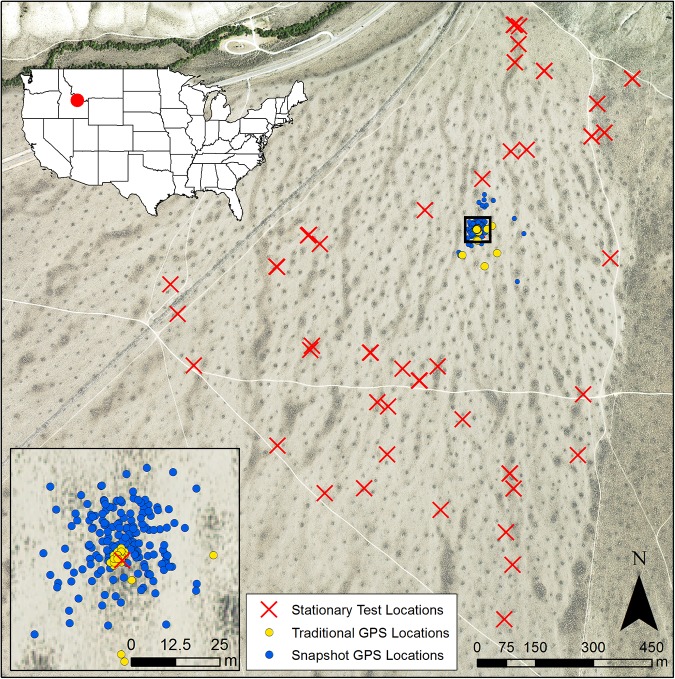
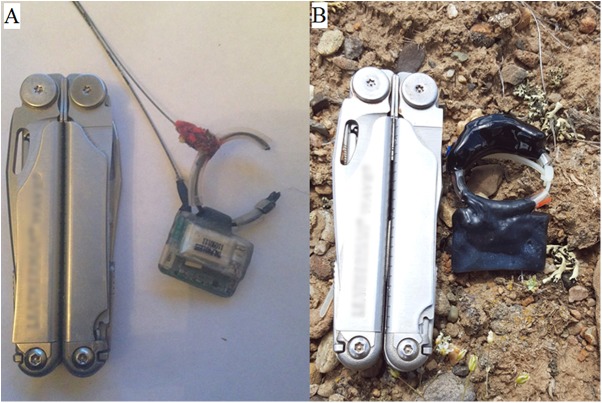
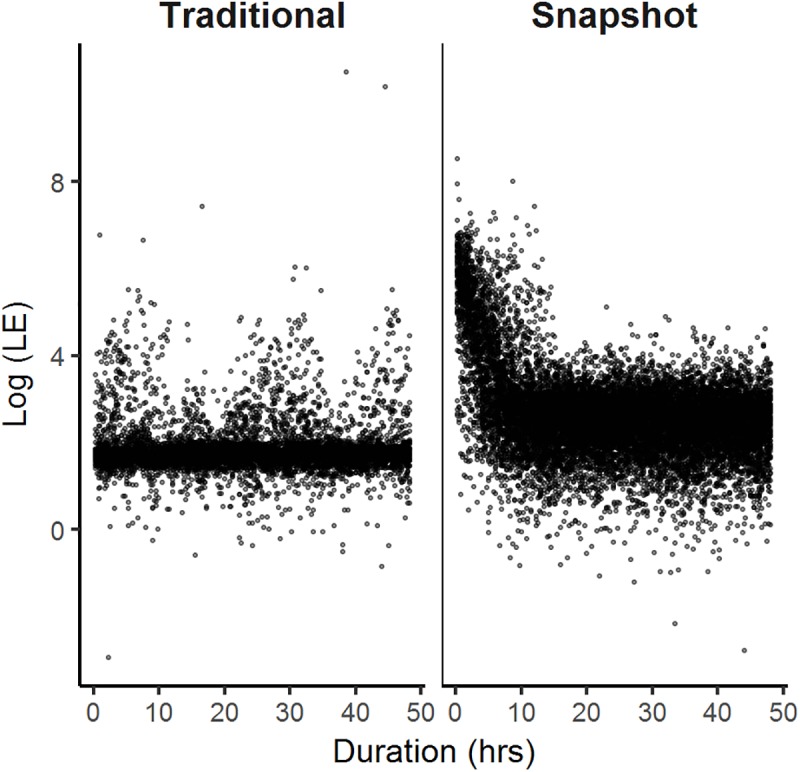
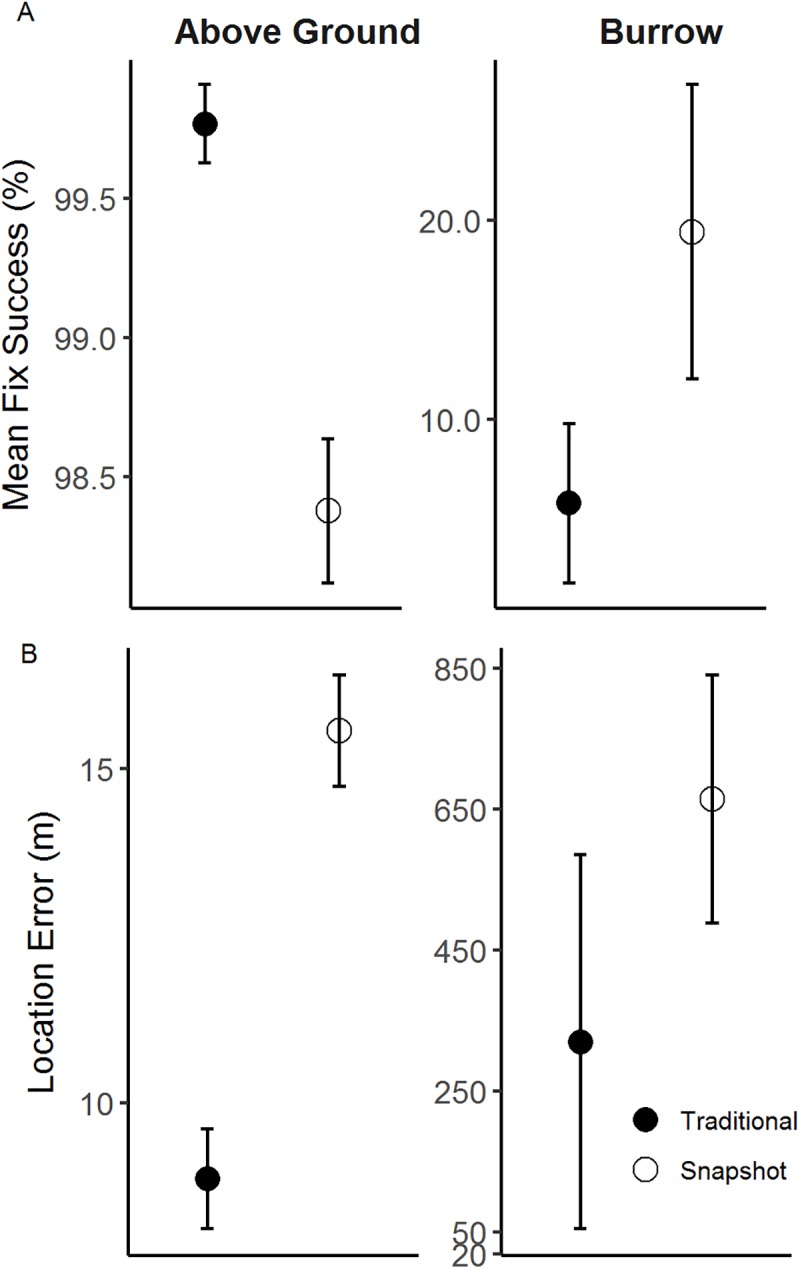
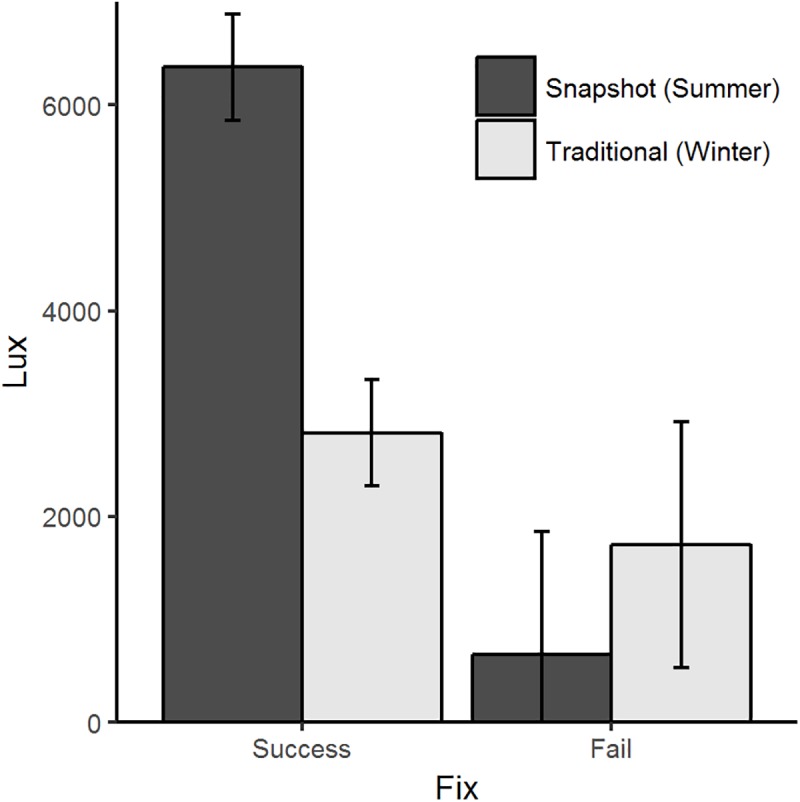
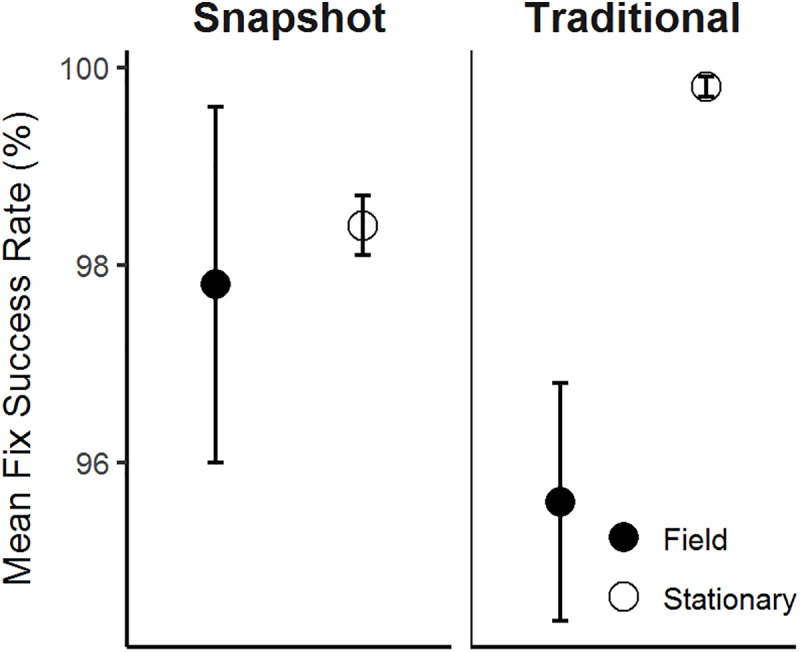
GPS telemetry markedly enhances the temporal and spatial resolution of animal location data, and recent advances in micro-GPS receivers permit their deployment on small mammals. One such technological advance, snapshot technology, allows for improved battery life by reducing the time to first fix via postponing recovery of satellite ephemeris (satellite location) data and processing of locations. However, no previous work has employed snapshot technology for small, terrestrial mammals. We evaluated performance of two types of micro-GPS (< 20 g) receivers (traditional and snapshot) on a small, semi-fossorial lagomorph, the pygmy rabbit (Brachylagus idahoensis), to understand how GPS errors might influence fine-scale assessments of space use and habitat selection. During stationary tests, microtopography (i.e., burrows) and satellite geometry had the largest influence on GPS fix success rate (FSR) and location error (LE). There was no difference between FSR while animals wore the GPS collars above ground (determined via light sensors) and FSR generated during stationary, above-ground trials, suggesting that animal behavior other than burrowing did not markedly influence micro-GPS errors. In our study, traditional micro-GPS receivers demonstrated similar FSR and LE to snapshot receivers, however, snapshot receivers operated inconsistently due to battery and software failures. In contrast, the initial traditional receivers deployed on animals experienced some breakages, but a modified collar design consistently functioned as expected. If such problems were resolved, snapshot technology could reduce the tradeoff between fix interval and battery life that occurs with traditional micro-GPS receivers. Our results suggest that micro-GPS receivers are capable of addressing questions about space use and resource selection by small mammals, but that additional techniques might be needed to identify use of habitat structures (e.g., burrows, tree cavities, rock crevices) that could affect micro-GPS performance and bias study results.
Conflict of interest statement
Figures
References
-
- Oleksy R, Racey PA, Jones G. High-resolution GPS tracking reveals habitat selection and the potential for long-distance seed dispersal by Madagascan flying foxes Pteropus rufus. Glob Ecol Conserv. 2015;3: 678–692.
-
- Glasby L, Yarnell RW. Evaluation of the performance and accuracy of Global Positioning System bug transmitters deployed on a small mammal. Eur J Wildl Res. 2013;59: 915–919.
-
- Feierabend D, Kielland K. Movements, activity patterns, and habitat use of snowshoe hares (Lepus americanus) in interior Alaska. J Mammal. 2014;95: 525–533.
MeSH terms
LinkOut - more resources
Full Text Sources
Other Literature Sources
