


Human mass balance study and metabolite profiling of 14C-niraparib, a novel poly(ADP-Ribose) polymerase (PARP)-1 and PARP-2 inhibitor, in patients with advanced cancer
- PMID: 28303528
- PMCID: PMC5694528
- DOI: 10.1007/s10637-017-0451-2
Human mass balance study and metabolite profiling of 14C-niraparib, a novel poly(ADP-Ribose) polymerase (PARP)-1 and PARP-2 inhibitor, in patients with advanced cancer
Abstract
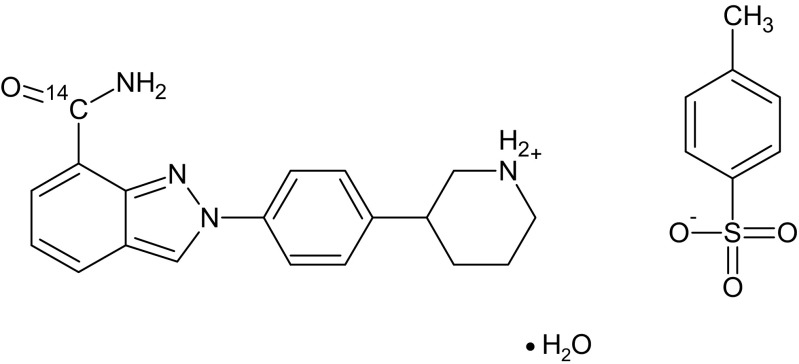
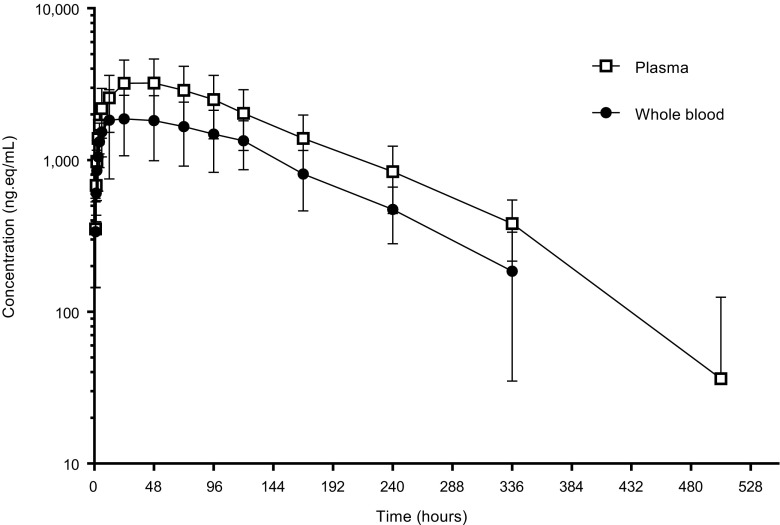
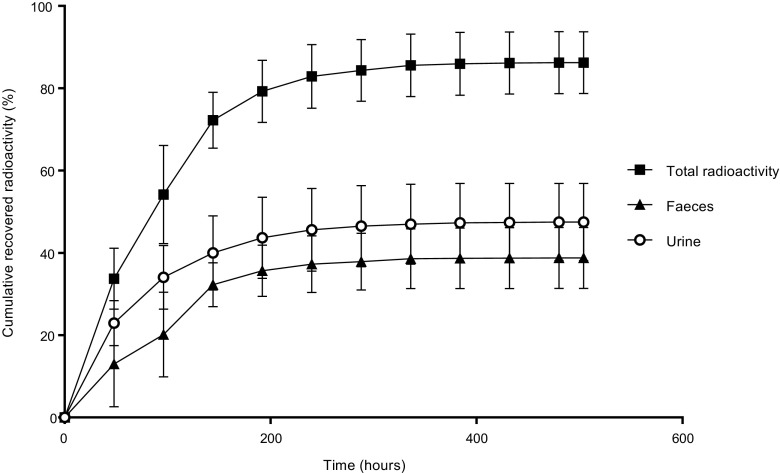
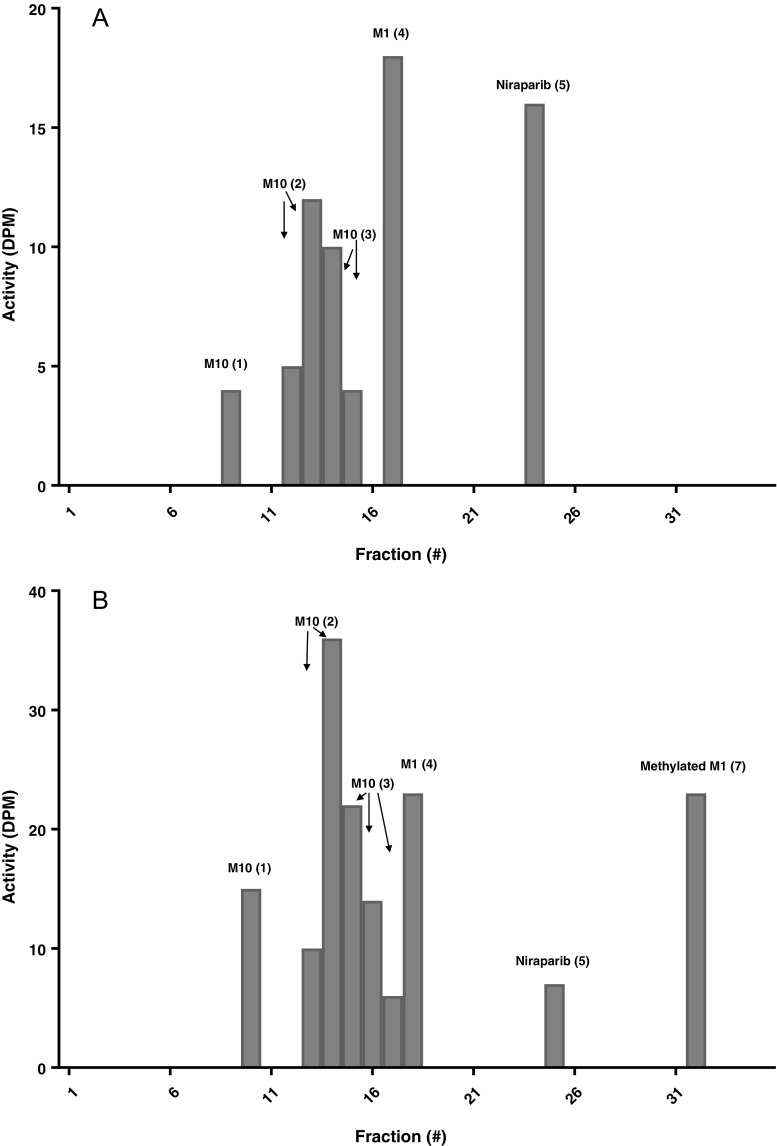
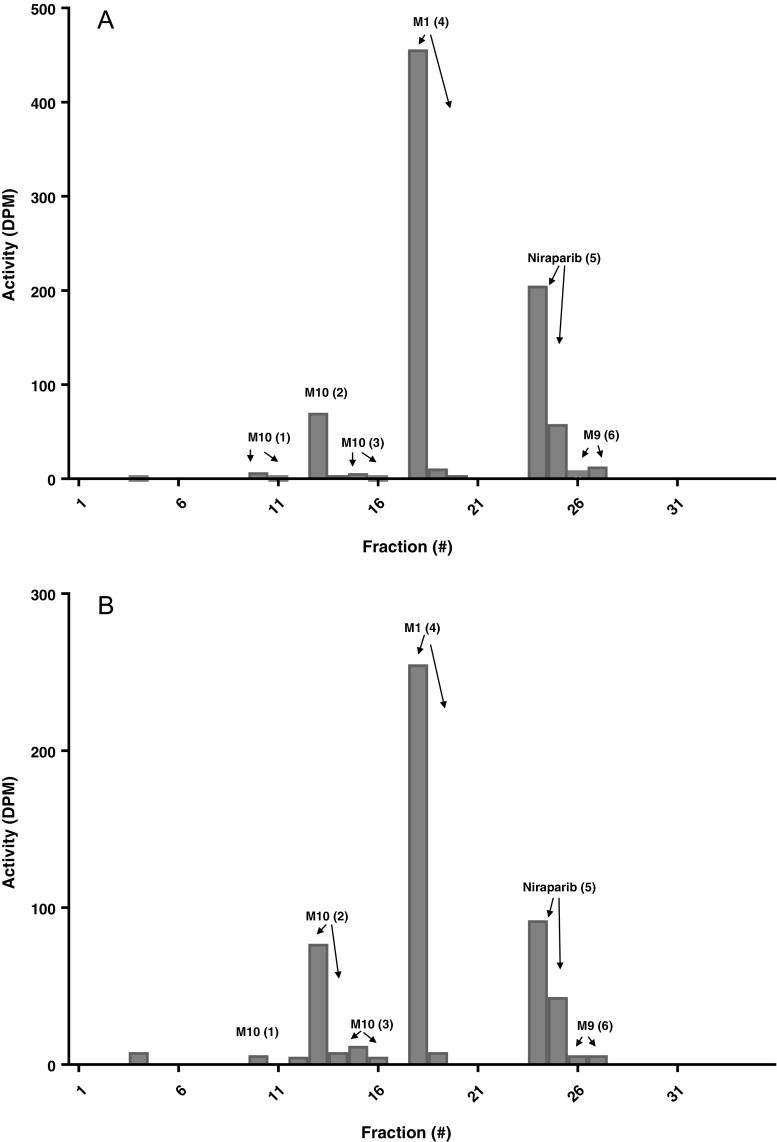
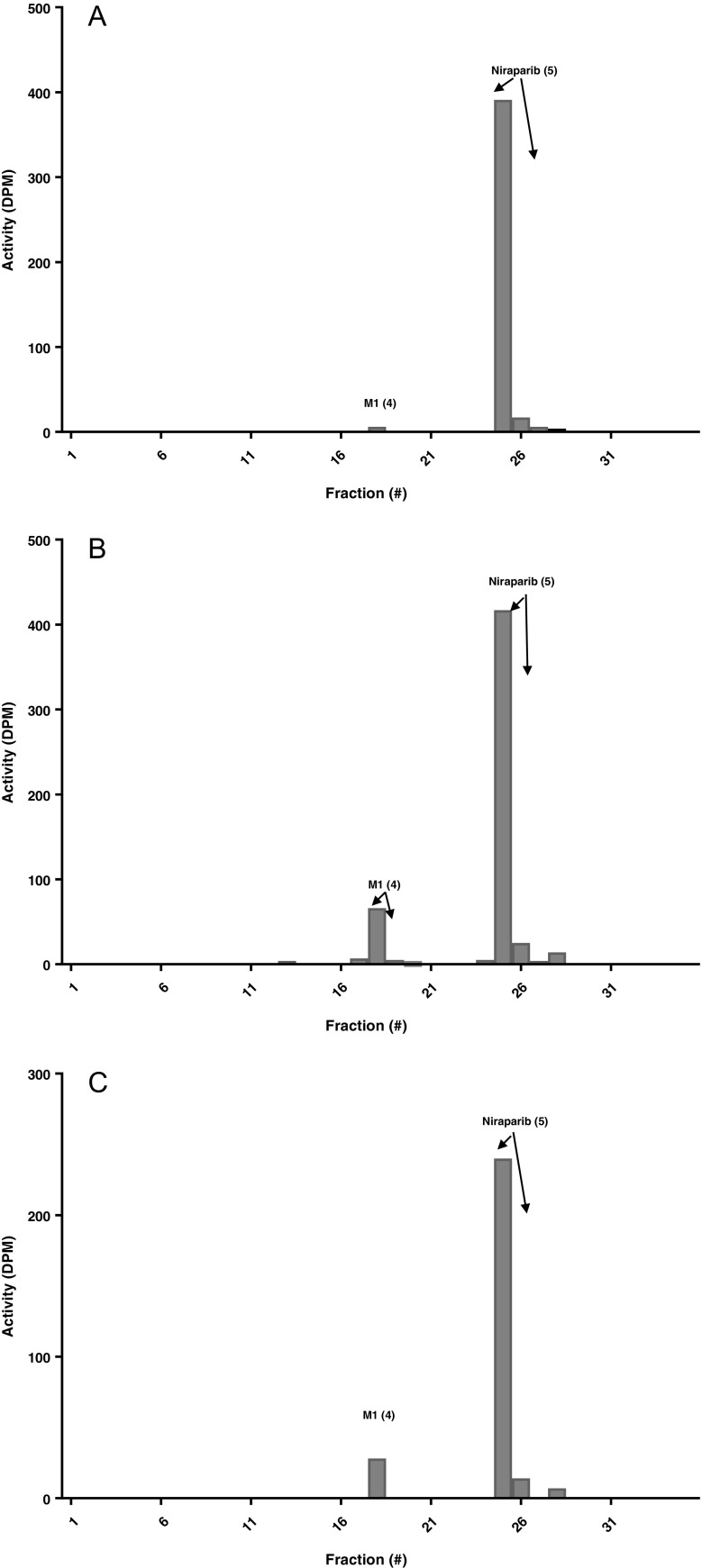
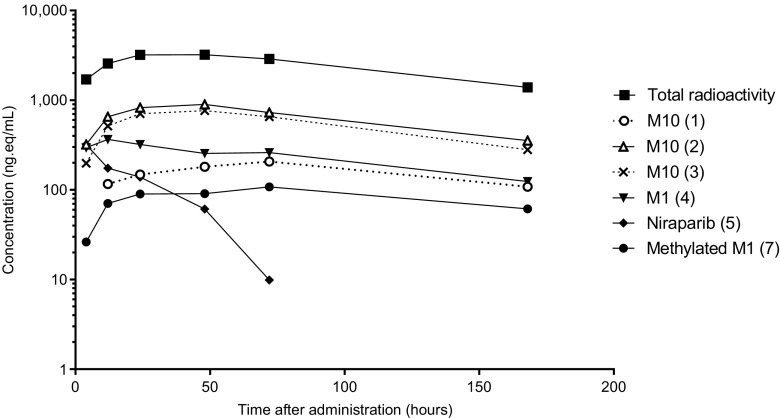
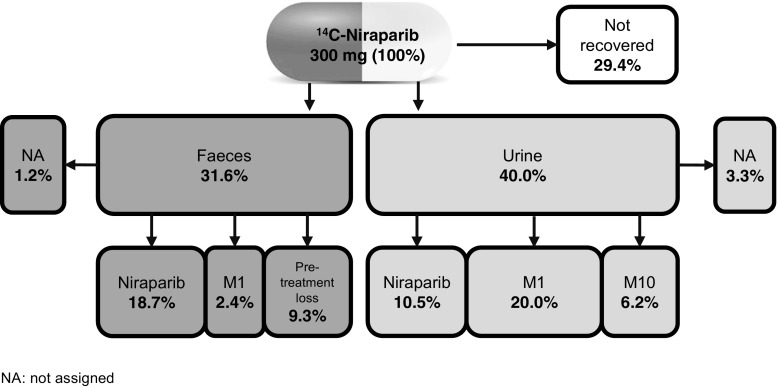
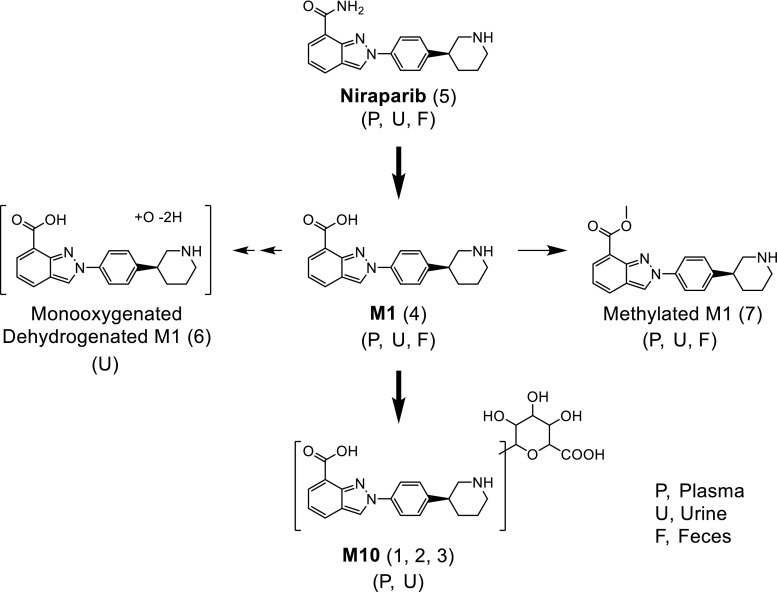
Niraparib is an investigational oral, once daily, selective poly(ADP-Ribose) polymerase (PARP)-1 and PARP-2 inhibitor. In the pivotal Phase 3 NOVA/ENGOT/OV16 study, niraparib met its primary endpoint of improving progression-free survival (PFS) for adult patients with recurrent, platinum sensitive, ovarian, fallopian tube, or primary peritoneal cancer in complete or partial response to platinum-based chemotherapy. Significant improvements in PFS were seen in all patient cohorts regardless of biomarker status. This study evaluates the absorption, metabolism and excretion (AME) of 14C-niraparib, administered to six patients as a single oral dose of 300 mg with a radioactivity of 100 μCi. Total radioactivity (TRA) in whole blood, plasma, urine and faeces was measured using liquid scintillation counting (LSC) to obtain the mass balance of niraparib. Moreover, metabolite profiling was performed on selected plasma, urine and faeces samples using liquid chromatography - tandem mass spectrometry (LC-MS/MS) coupled to off-line LSC. Mean TRA recovered over 504 h was 47.5% in urine and 38.8% in faeces, indicating that both renal and hepatic pathways are comparably involved in excretion of niraparib and its metabolites. The elimination of 14C-radioactivity was slow, with t1/2 in plasma on average 92.5 h. Oral absorption of 14C-niraparib was rapid, with niraparib concentrations peaking at 2.49 h, and reaching a mean maximum concentration of 540 ng/mL. Two major metabolites were found: the known metabolite M1 (amide hydrolysed niraparib) and the glucuronide of M1. Based on this study it was shown that niraparib undergoes hydrolytic, and conjugative metabolic conversions, with the oxidative pathway being minimal.
Keywords: ADME; Mass balance; Metabolites; Niraparib; Radiolabelled; TRA.
Conflict of interest statement
Conflict of interest
ZZ, SL, VK, SA, LH are currently employees at Tesaro, Inc. LA, MMT, AG, LL, MJXH, HR, JHMS and JHB are employed at the Netherlands Cancer Institute.
Funding
This study was funded by Tesaro, Inc.
Ethical approval
All procedures performed in studies involving human participants were in accordance with the ethical standards of the participating institution and with the 1964 Helsinki declaration and its later amendments or comparable ethical standards.
Informed consent
Informed consent was obtained from all individual participants included in the study.
Figures
References
-
- ClinicalTrials.gov (2015) Niraparib and/or niraparib-bevacizumab combination against bevacizumab alone in HRD platinum sensitive ovarian cancer. https://clinicaltrials.gov/ct2/show/NCT02354131?term=niraparib&rank=1. Accessed 15 Jul 2016
-
- ClinicalTrials.gov (2016) Study of niraparib in combination with pembrolizumab (MK-3475) in patients with triple-negative breast cancer or ovarian cancer (KEYNOTE-162). https://clinicaltrials.gov/ct2/show/NCT02657889?term=niraparib&rank=2. Accessed 15 Jul 2016
MeSH terms
Substances
LinkOut - more resources
Full Text Sources
Other Literature Sources
Medical
Miscellaneous
