Functional and health promoting inherent attributes of Enterococcus hirae F2 as a novel probiotic isolated from the digestive tract of the freshwater fish Catla catla
- PMID: 28316889
- PMCID: PMC5356477
- DOI: 10.7717/peerj.3085
Functional and health promoting inherent attributes of Enterococcus hirae F2 as a novel probiotic isolated from the digestive tract of the freshwater fish Catla catla
Abstract
Background: Probiotic microorganisms are gaining global importance because of their use in the preparation of a nutraceutical or in the treatment of infections. As per the health industry demand, there is an urgent need for exploring new indigenous probiotic strains with its specific origin due to variation in gut microflora, different food habits and specific host-microbial interactions. The main objective of the present study was to isolate and identify a novel probiotic Enterococcus strain from the gut of Catla catla fish and evaluate its potentiality as a potent probiotic.
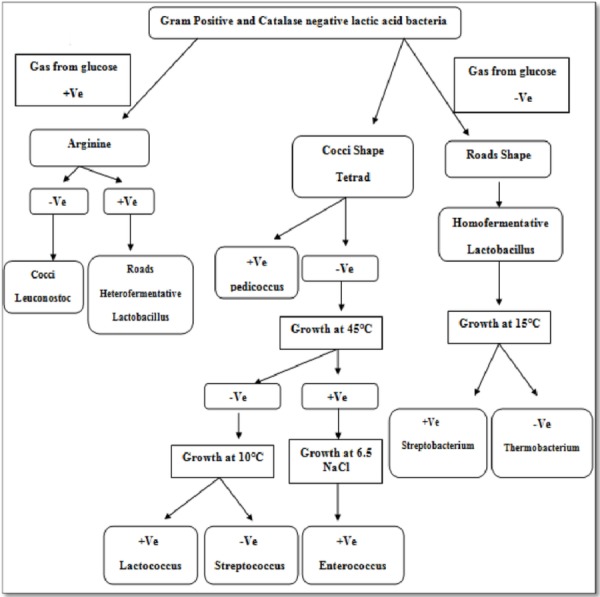
Methods: The whole study was designed with the isolation of novel lactic acid bacterial strain from the gut of Catla catla fish with their biochemical and molecular identifications. The potentiality of the isolated strain as a potent probiotic was carried out according to the parameters described in FAD/WHO guidelines for the evaluation of probiotics in food.
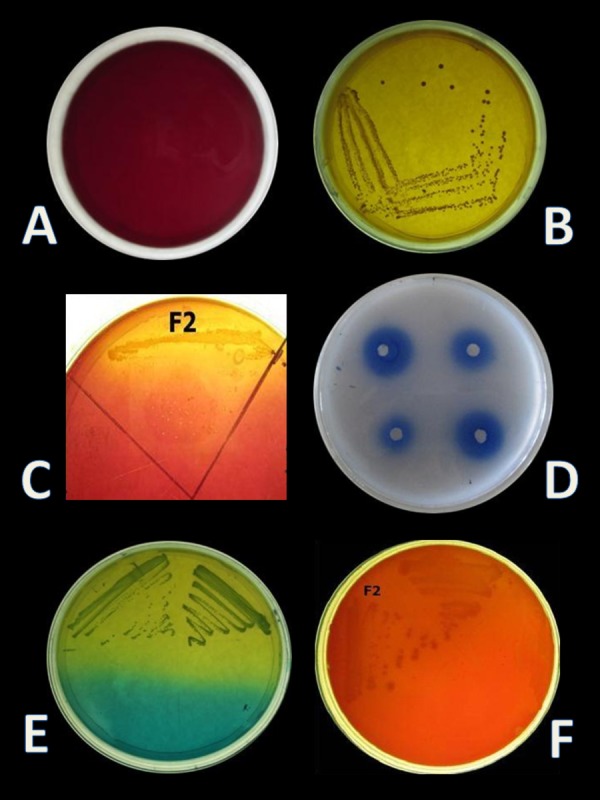
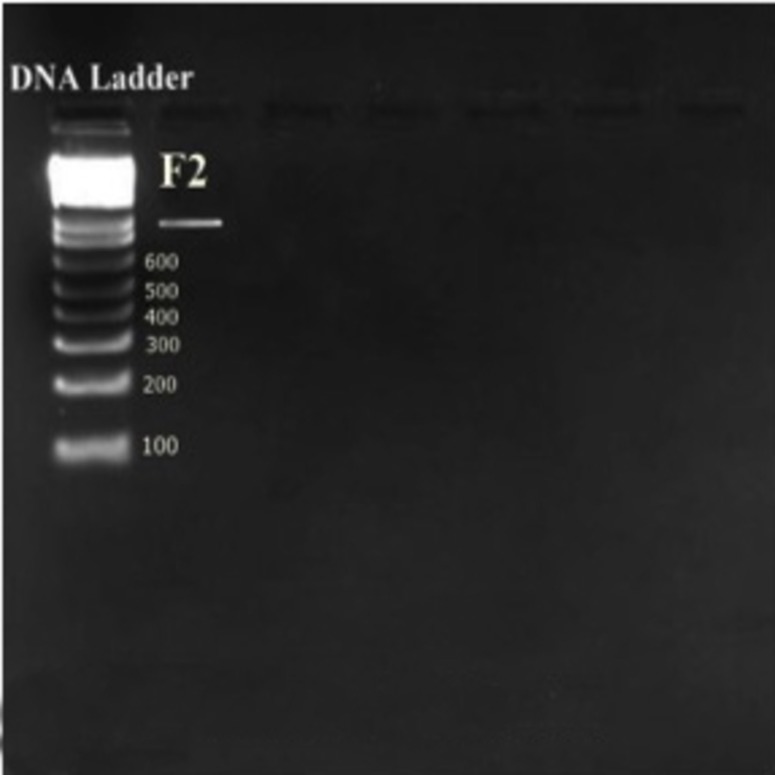
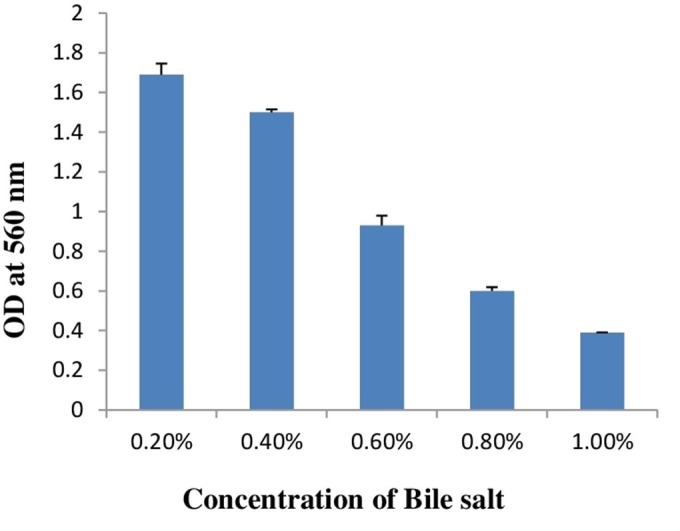
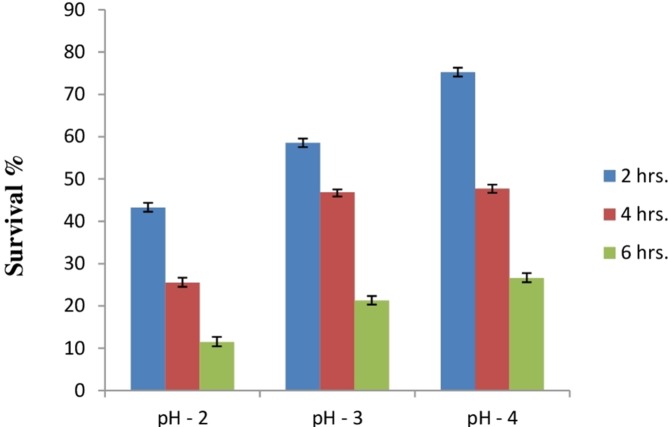
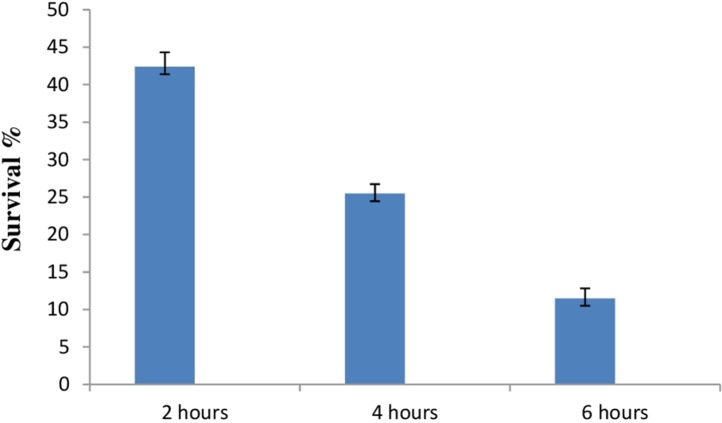
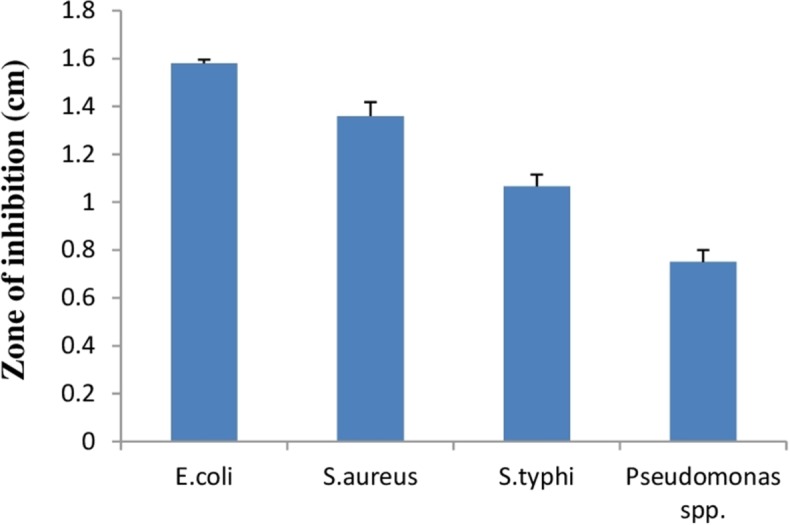
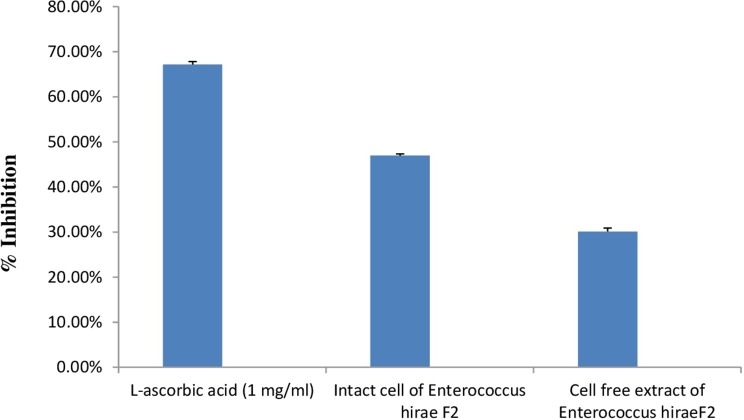
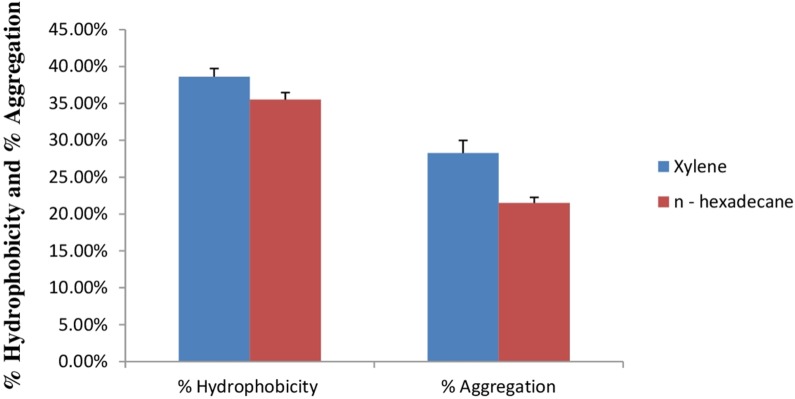
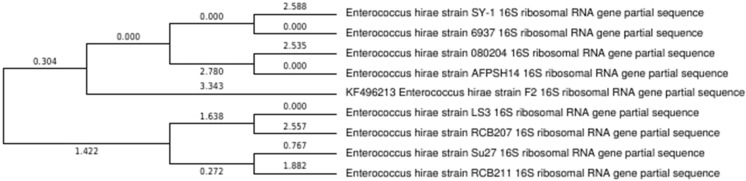
Results: The isolated strain was confirmed as Enterococcus hirae F2 on the basis of various biochemical and 16s rRNA gene sequencing methods. Enterococcus hirae F2 was able to survive under highly acidic and bile salt concentration with the ability for the production of lipase and Bsh enzyme. It was also able to survive under simulated gastrointestinal conditions with the inhibition ability of various pathogens. The antioxidant potentiality with the cell surface hydrophobicity and cell aggregation ability confirms its potentiality as a potent probiotic. All the results detail the potency of Enterococcus hirae F2 as a novel probiotic for a safer use.
Discussion: The isolation of Enterococcus hirae with probiotic potential from the gut of fish is a new approach and done for the first time. However, the whole study concluded that the isolated strain might be used as a novel probiotic in the food industry for the production of new probiotic products which imparts health benefits to the host.
Keywords: Acid tolerance; Catla catla; Enterococcus hirae; Gastrointestinal conditions; Probiotic.
Conflict of interest statement
The authors declare there are no competing interests.
Figures
References
-
- Ahn CB, Jeon YJ, Kang DS, Shin TS, Jung BM. Free radical scavenging activity of enzymatic extracts from a brown seaweed Scytosiphon lomentaria by electron spin resonance spectrometry. Food Research International. 2004;37:253–258. doi: 10.1016/j.foodres.2003.12.002. - DOI
-
- Badis A, Guetarni D, Moussa-Boudjema B, Henni DE, Kihal M. Identification and technological properties of lactic acid bacteria isolated from raw goat’s milk of four Algerian races. Food Microbiology. 2004;121:579–588. doi: 10.1016/j.fm.2003.11.006. - DOI
-
- Denev SA. DSc.Thesis. 2008. Ecological alternatives of antibiotic growth promoters in the animal husbandry and aquaculture; p. 294.
LinkOut - more resources
Full Text Sources
Other Literature Sources
Molecular Biology Databases
Research Materials
Miscellaneous