


Prognostic factors for mortality in patients with bullous pemphigoid: a meta-analysis
- PMID: 28317060
- PMCID: PMC5486568
- DOI: 10.1007/s00403-017-1736-1
Prognostic factors for mortality in patients with bullous pemphigoid: a meta-analysis
Abstract
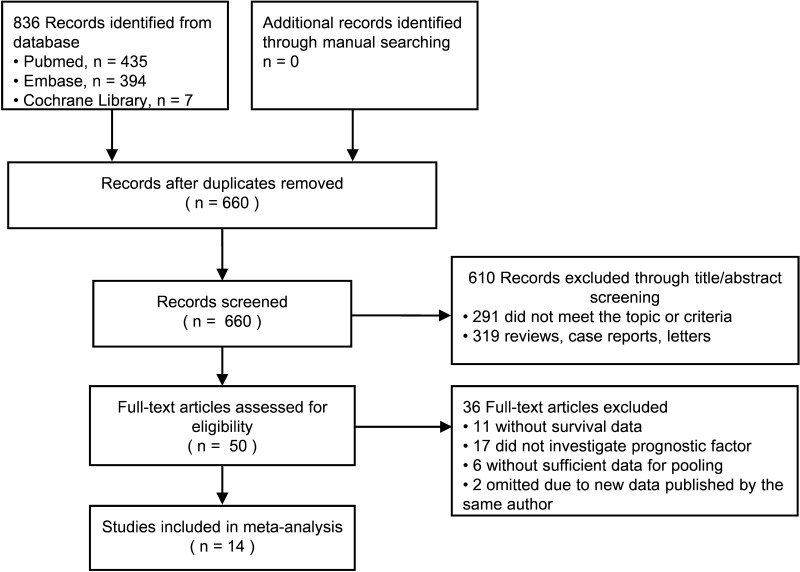
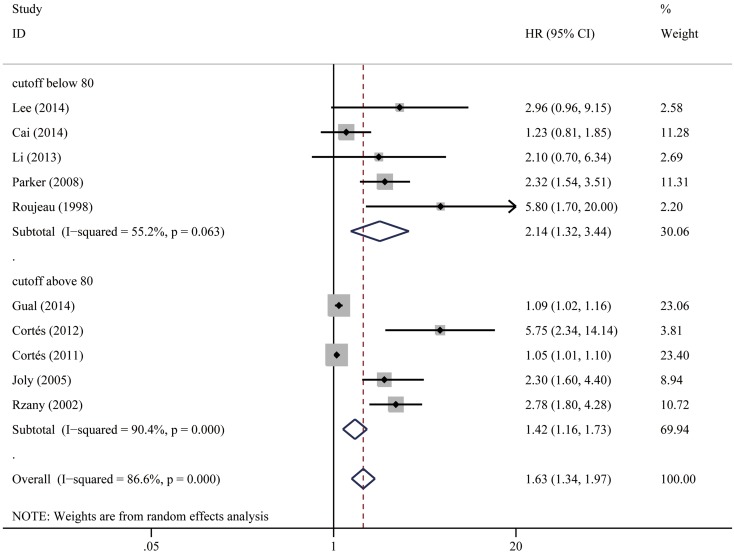
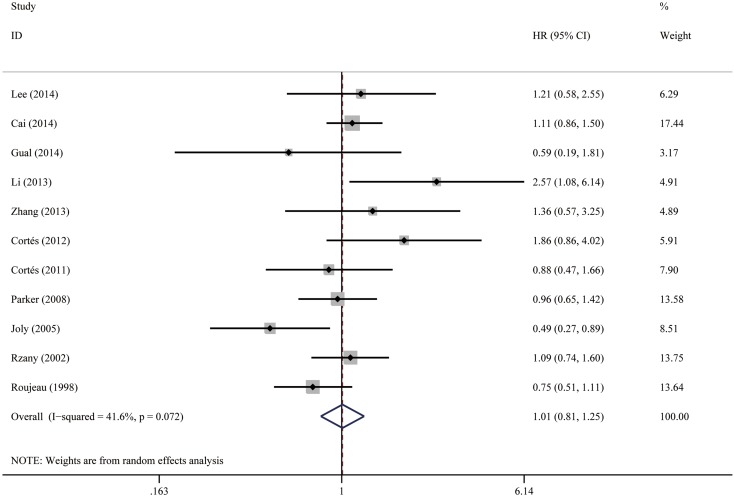
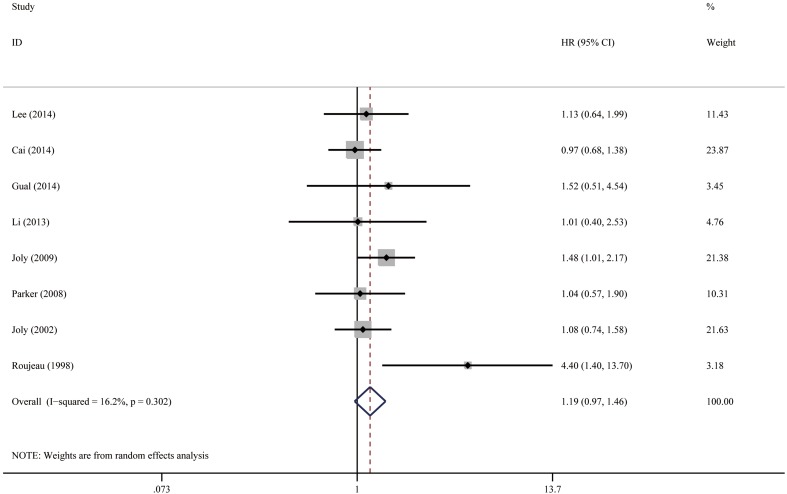
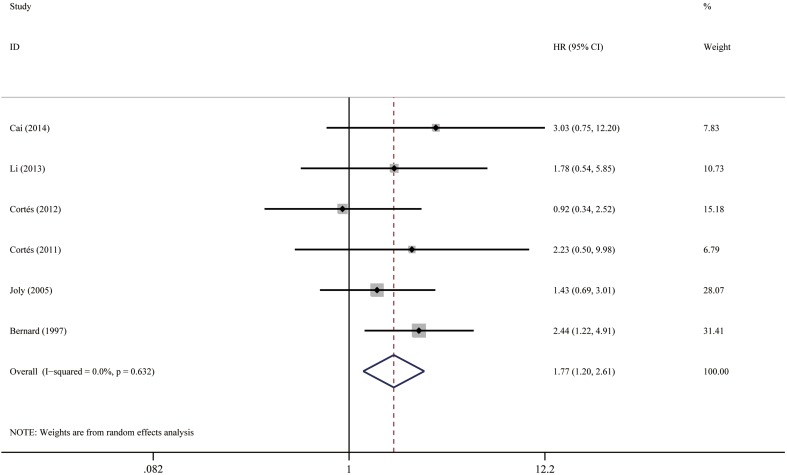
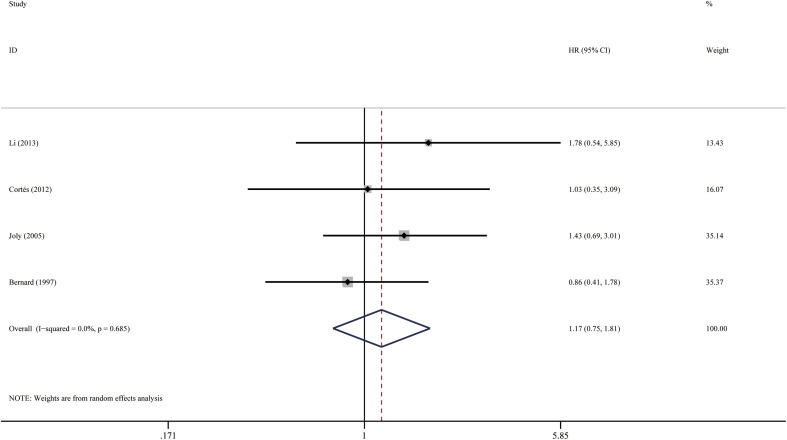
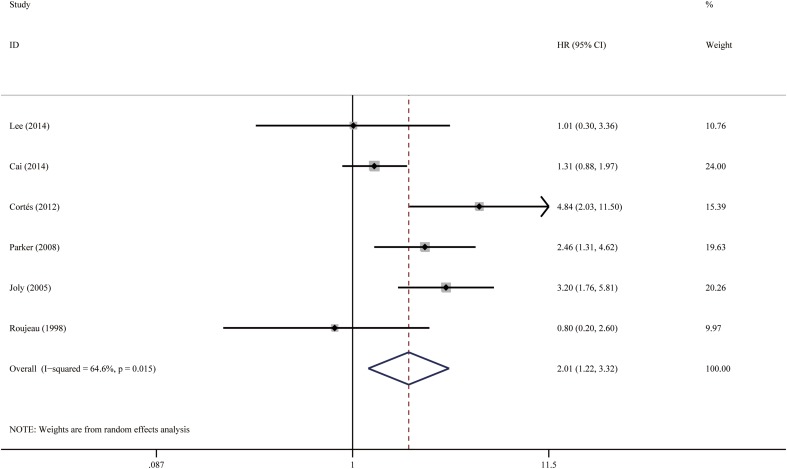
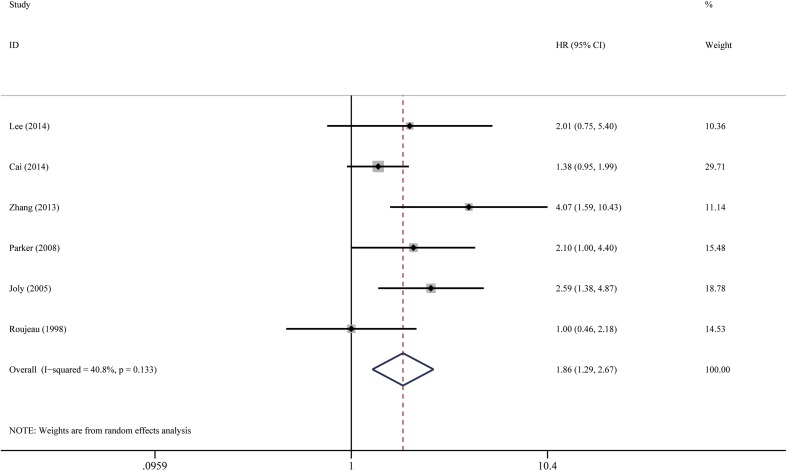
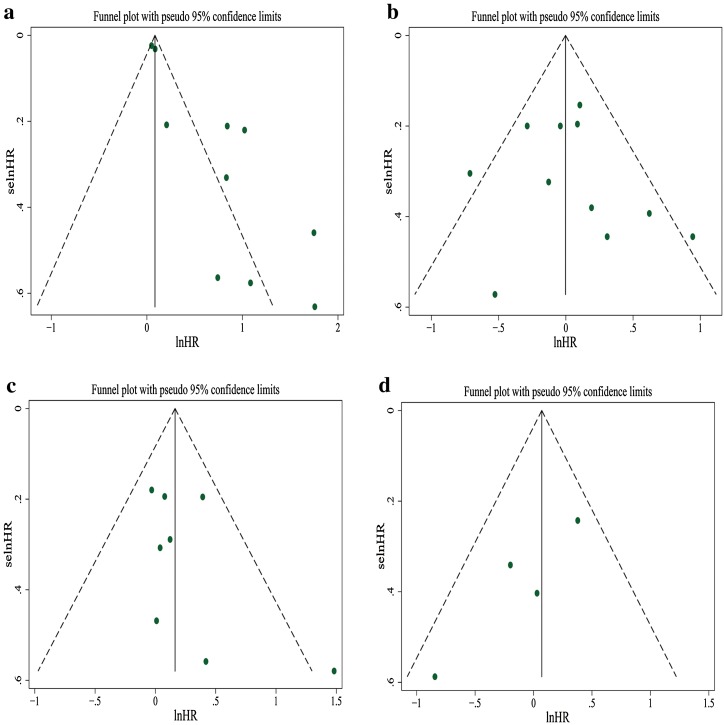
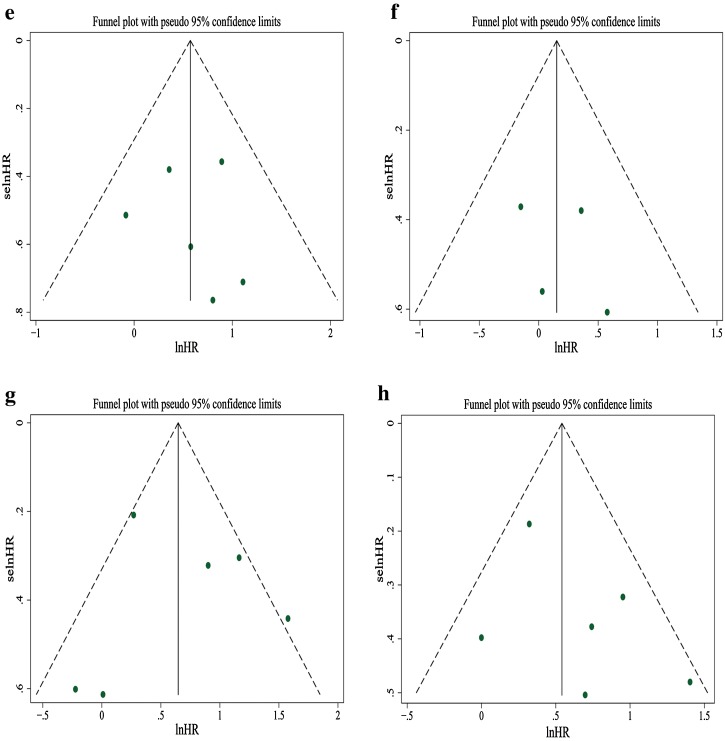
Bullous pemphigoid (BP) is a chronic debilitating autoimmune blistering disease that frequently occurs in the elderly population. Previous studies have suggested a high morbidity and mortality associated with BP. However, relatively few studies have investigated prognostic factors of BP mortality, and they showed considerably various results. This meta-analysis aimed to quantitatively assess the association between several potential prognostic factors and risk of mortality in bullous pemphigoid. A comprehensive search was performed using Pubmed, Embase, and Cochrane Library. Cohort studies that assessed prognostic factors of BP mortality were included. Random-effects model was utilized to calculate the pooled hazard ratio (HR). Publication bias was evaluated qualitatively by constructing a funnel plot and quantitatively by conducting Egger's test. 14 studies were included comprising 2499 patients. Combined HRs suggested that advanced age (HR 1.63, 95% CI 1.34-1.97), presence of circulating antibodies (HR 1.77, 95% CI 1.20-2.62), concomitant dementia (HR 2.01, 95% CI 1.22-3.33), and concomitant stroke (HR 1.86, 95% CI 1.29-2.67) have an unfavorable impact on patient survival. Gender, disease extent, mucosal involvement, and indirect immunofluorescence result were not shown to be linked to mortality by our analysis. This study indicated that BP patients with older age, circulating antibodies, dementia, and stroke are at greater risk of mortality. Clinicians should be aware of this association and utilize this information in patient education and treatment process.
Keywords: Autoimmune blistering disease; Bullous pemphigoid; Mortality; Prognosis; Survival.
Conflict of interest statement
The authors declare that they have no conflict of interest.
Figures

References
-
- Brick KE, Weaver CH, Lohse CM, Pittelkow MR, Lehman JS, Camilleri MJ, Al-Hashimi M, Wieland CN. Incidence of bullous pemphigoid and mortality of patients with bullous pemphigoid in Olmsted County, Minnesota, 1960 through 2009. J Am Acad Dermatol. 2014;71:92–99. doi: 10.1016/j.jaad.2014.02.030. - DOI - PMC - PubMed
Publication types
MeSH terms
Substances
LinkOut - more resources
Full Text Sources
Other Literature Sources
Medical
