


Colony, hanging drop, and methylcellulose three dimensional hypoxic growth optimization of renal cell carcinoma cell lines
- PMID: 28321776
- PMCID: PMC5507837
- DOI: 10.1007/s10616-016-0063-2
Colony, hanging drop, and methylcellulose three dimensional hypoxic growth optimization of renal cell carcinoma cell lines
Abstract
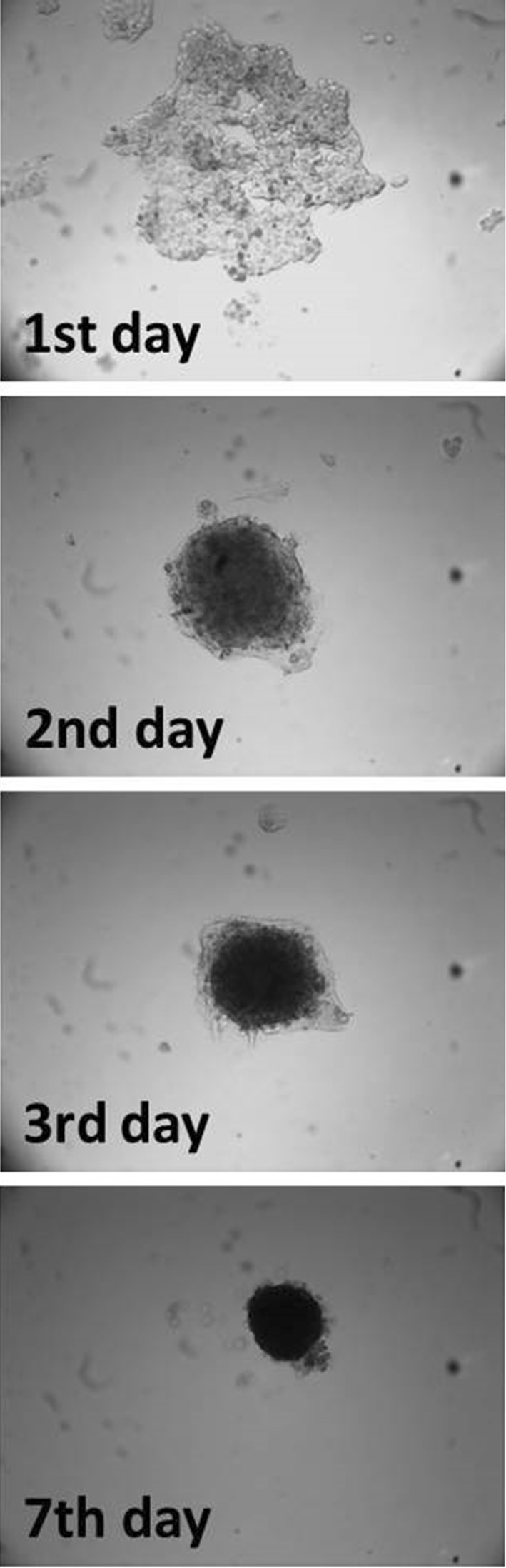
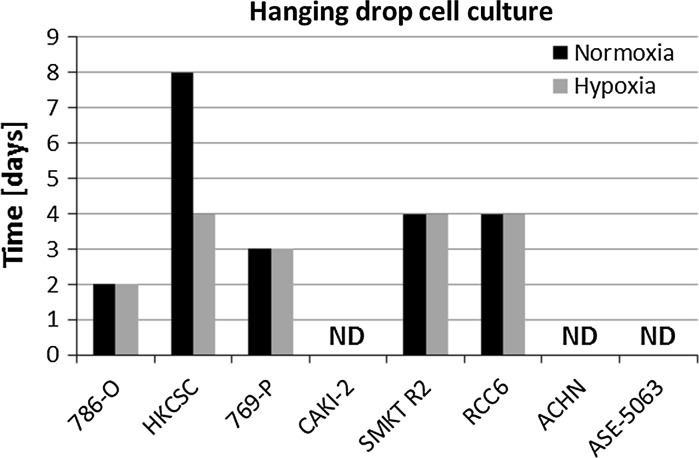
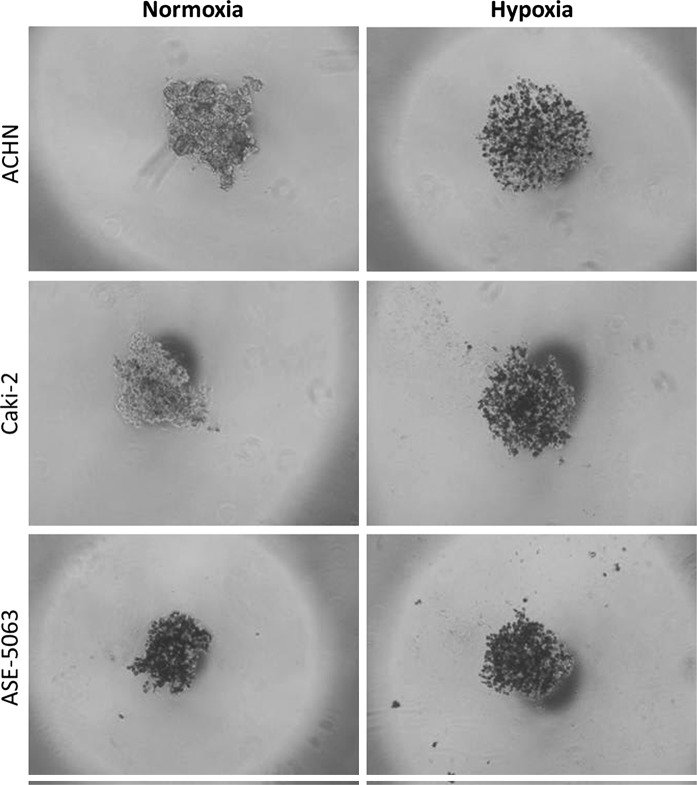
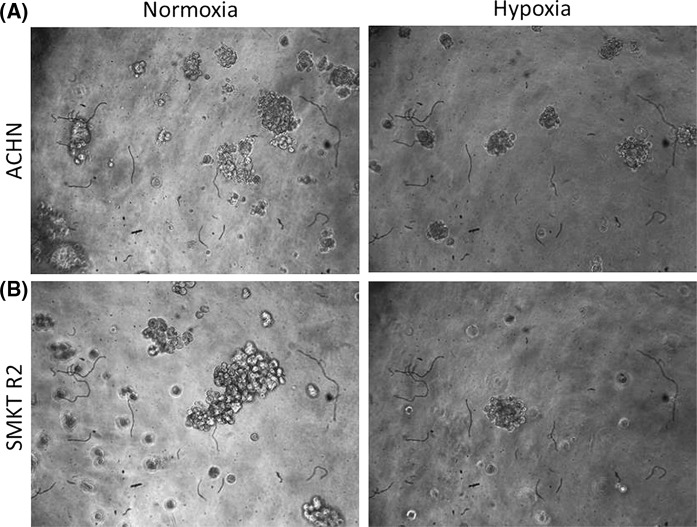
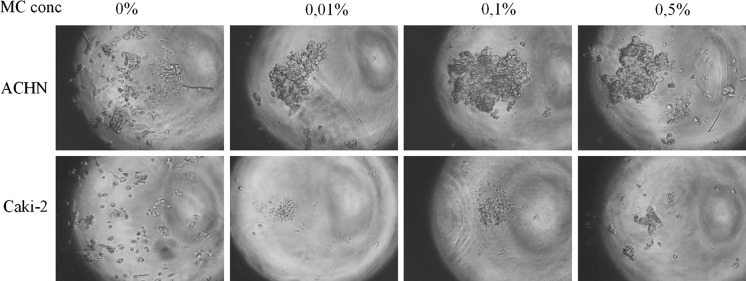
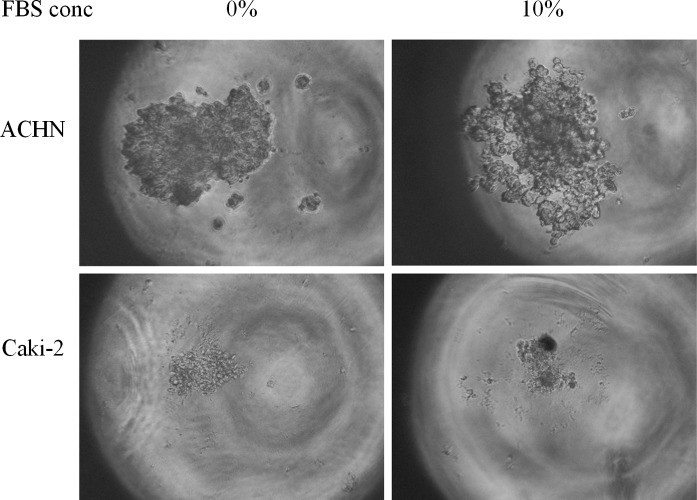
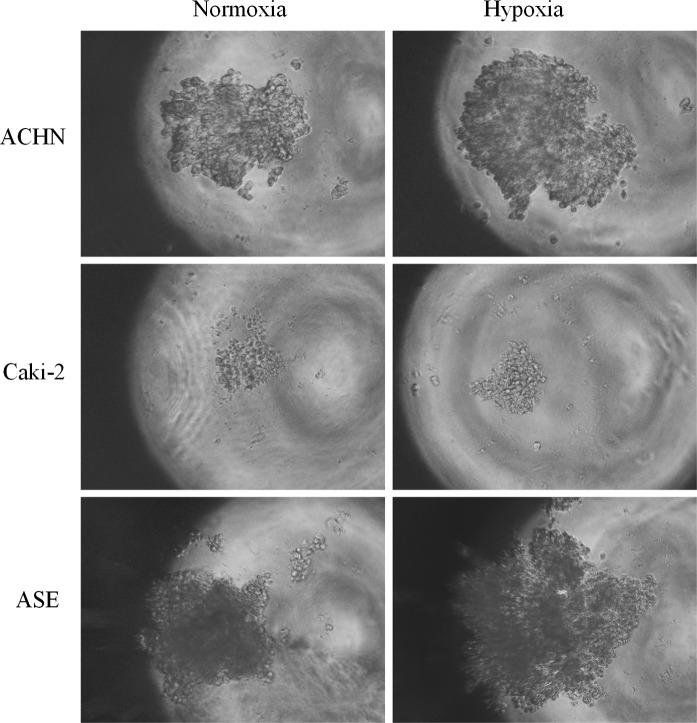
Renal cell carcinoma (RCC) is the most lethal of the common urologic malignancies, comprising 3% of all human neoplasms, and the incidence of kidney cancer is rising annually. We need new approaches to target tumor cells that are resistant to current therapies and that give rise to recurrence and treatment failure. In this study, we focused on low oxygen tension and three-dimensional (3D) cell culture incorporation to develop a new RCC growth model. We used the hanging drop and colony formation methods, which are common in 3D culture, as well as a unique methylcellulose (MC) method. For the experiments, we used human primary RCC cell lines, metastatic RCC cell lines, human kidney cancer stem cells, and human healthy epithelial cells. In the hanging drop assay, we verified the potential of various cell lines to create solid aggregates in hypoxic and normoxic conditions. With the semi-soft agar method, we also determined the ability of various cell lines to create colonies under different oxygen conditions. Different cell behavior observed in the MC method versus the hanging drop and colony formation assays suggests that these three assays may be useful to test various cell properties. However, MC seems to be a particularly valuable alternative for 3D cell culture, as its higher efficiency of aggregate formation and serum independency are of interest in different areas of cancer biology.
Keywords: Colony; Hanging drop; Hypoxia; Methylcellulose; RCC.
Figures

References
-
- Altmann B, Steinberg T, Giselbrecht S, Gottwald E, Tomakidi P, Bachle-Haas M, Kohal RJ. Promotion of osteoblast differentiation in 3D biomaterial micro-chip arrays comprising fibronectin-coated poly(methyl methacrylate) polycarbonate. Biomaterials. 2011;32(34):8947–8956. doi: 10.1016/j.biomaterials.2011.08.023. - DOI - PubMed
-
- Ami Y, Shimazui T, Akaza H, Uematsu N, Yano Y, Tsujimoto G, Uchida K. Gene expression profiles correlate with the morphology and metastasis characteristics of renal cell carcinoma cells. Oncol Rep. 2005;13(1):75–80. - PubMed
-
- Anderson KM, Guinan P, Rubenstein M. The effect of normoxia and hypoxia on a prostate (PC-3) CD44/CD41 cell side fraction. Anticancer Res. 2011;31(2):487–494. - PubMed
-
- Arai E, Ushijima S, Tsuda H, Fujimoto H, Hosoda F, Shibata T, Kondo T, Imoto I, Inazawa J, Hirohashi S, et al. Genetic clustering of clear cell renal cell carcinoma based on array-comparative genomic hybridization: its association with DNA methylation alteration and patient outcome. Clin Cancer Res. 2008;14(17):5531–5539. doi: 10.1158/1078-0432.CCR-08-0443. - DOI - PubMed
LinkOut - more resources
Full Text Sources
Other Literature Sources
