


Biosurfactant production from marine bacteria associated with sponge Callyspongia diffusa
- PMID: 28324546
- PMCID: PMC4522725
- DOI: 10.1007/s13205-014-0242-9
Biosurfactant production from marine bacteria associated with sponge Callyspongia diffusa
Abstract
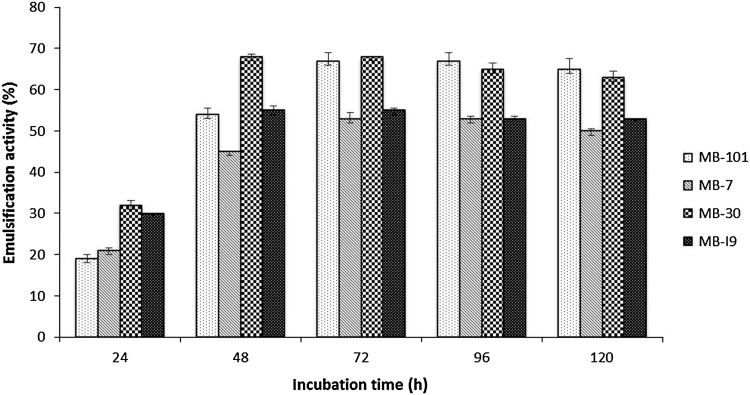
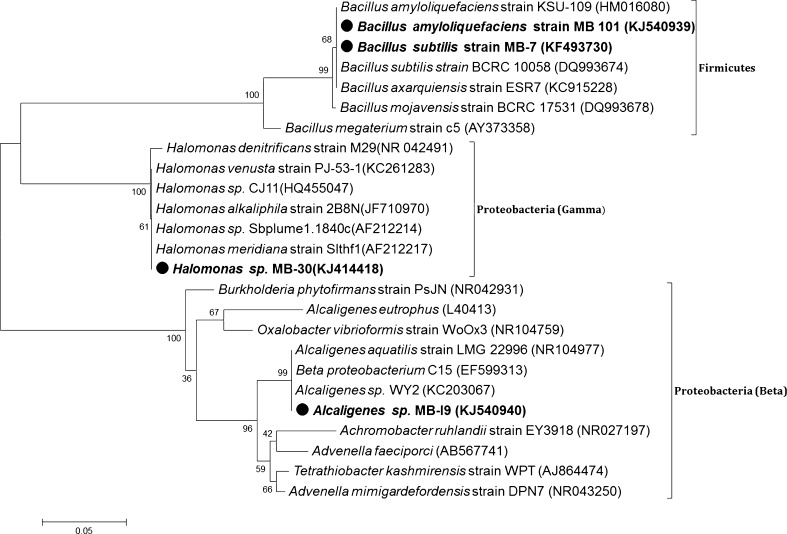
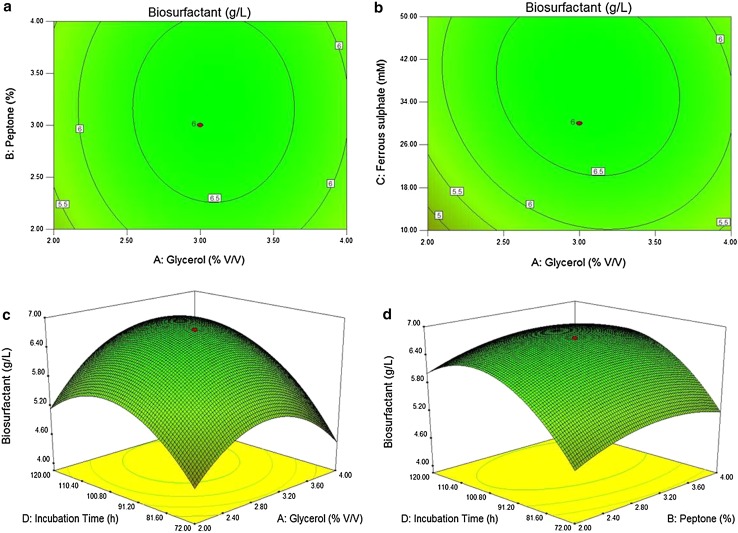
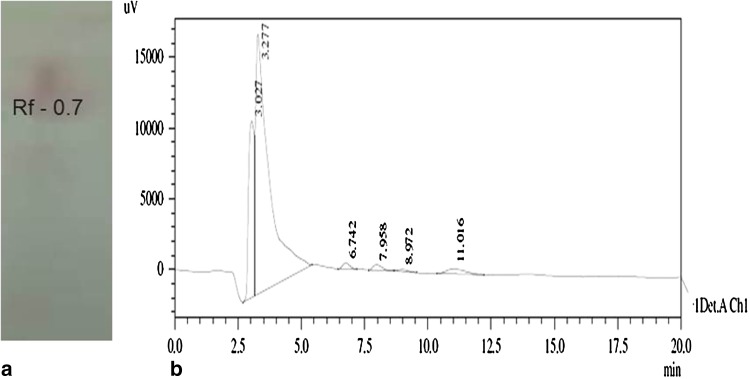
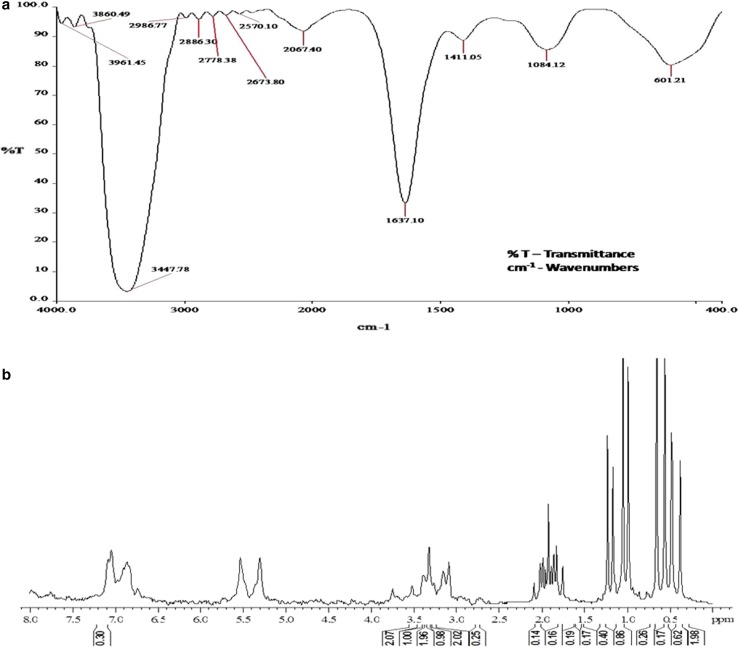
Marine-derived biosurfactants have gained significant attention due to their structural and functional diversity. Biosurfactant production was performed using bacteria associated with Callyspongia diffusa, a marine sponge inhabiting the southern coast of India. A total of 101 sponge-associated bacteria were isolated on different media, of which 29 isolates showed positive result for biosurfactant production. Among the 29 positive isolates, four were selected based on highest emusification activity and were identified based on 16S rDNA sequence analysis. These isolates were identified as Bacillus subtilis MB-7, Bacillus amyloliquefaciens MB-101, Halomonas sp. MB-30 and Alcaligenes sp. MB-I9. The 16S rDNA nucleotide sequences were deposited in GenBank with accession numbers KF493730, KJ540939, KJ414418 and KJ540940, respectively. Based on the highest oil displacement activity and effective surface tension reduction potential, the isolate B. amyloliquefaciens MB-101 was selected for further optimization and structural delineation. The production of biosurfactant by the isolate was significantly enhanced up to 6.76 g/l with optimal concentration values of 2.83 % for glycerol, 2.65 % for peptone, 20.11 mM for ferrous sulfate and 74 h of incubation by employing factorial design. The structural features of the purified biosurfactant from B. amyloliquefaciens MB-101 showed similarity with lipopeptide class of biosurfactant. In conclusion, the present study emphasizes the utilization of marine sponge-associated bacteria for the production of biosurfactant that may find various applications.
Keywords: Bacillus amyloliquefaciens; Biosurfactant; Callyspongia diffusa; Lipopeptide; Marine sponge; Sponge-associated bacteria.
Figures
References
LinkOut - more resources
Full Text Sources
Other Literature Sources
Molecular Biology Databases
Miscellaneous
