. 2017 Mar 21;9(3):999-1011.
doi: 10.18632/aging.101205.

Long non-coding RNA LOC100129148 functions as an oncogene in human nasopharyngeal carcinoma by targeting miR-539-5p

Affiliations

Long non-coding RNA LOC100129148 functions as an oncogene in human nasopharyngeal carcinoma by targeting miR-539-5p

Kai-Yu Sun et al. Aging (Albany NY). .

Abstract

Emerging studies have shown that long noncoding RNAs (lncRNAs) play critical roles in carcinogenesis and progression, including human nasopharyngeal carcinoma (NPC). The correlation between lncRNAs expression and NPC development has not been well identified in the recent literature. Recently, high-through put analysis reveals that LOC100129148 is highly expressed in NPC. However, whether the aberrant expression of LOC100129148 in NPC is corrected with tumorigenesis or prognosis has not been investigated. Herein, we identified that LOC100129148 was up-regulated in NPC tissues and cell lines, and higher expression of LOC100129148 resulted in a markedly poorer survival time. Over-expressed LOC100129148 favored, but silenced LOC100129148 hampered cell proliferation in NPC cells. Additionally, LOC100129148 enhanced the KLF12 expression through functioning as a competitive 'sponge' for miR-539-5p. Thus, our study reports a novel mechanism underlying NPC carcinogenesis, and provides a potential novel diagnosis and treatment biomarker for NPC.

Keywords: KLF12; LOC100129148; hsa-miRNA-539-5p (miR-539-5p); nasopharyngeal carcinoma (NPC); tumorigenesis.


Conflict of interest statement

CONFLICTS OF INTEREST

The authors declare no conflict of interest.

Figures
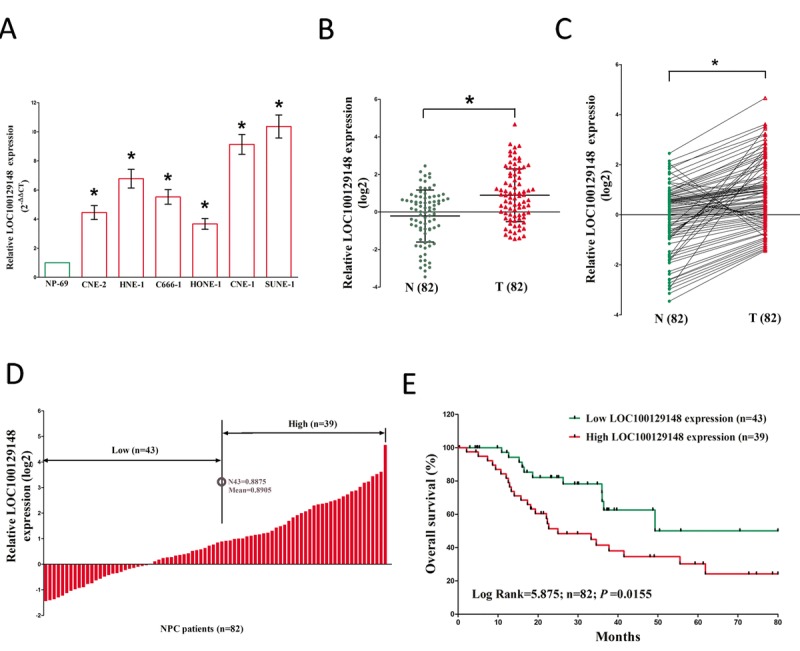
Figure 1
Figure 1. Relative LOC100129148 expression in NPC tissues and cell lines, and its clinical significance
(A) Relative expression of LOC100129148 expression in NPC cell lines and normal NP epidermal cell. (B) Relative expression of LOC100129148 expression in NPC tissues (n = 82) and in paired adjacent normal tissues (n = 82). LOC100129148 expression was examined by qPCR and normalized to GAPDH expression. (shown as log2 ΔCT). (C) Relative expression of LOC100129148 expression in NPC tissues (n = 82) and in paired adjacent normal tissues (n = 82). LOC100129148 expression was examined by qPCR and normalized to GAPDH expression. (shown as log2ΔCT). (D) NPC patients were divided into a high group (≥mean, n=39) and a low group (<mean, n=43) on the basis of the cutoff value of LOC100129148 expression. (E) The Kaplan-Meier survival analysis indicated that LOC100129148 high expression (red line, n=39) has a worse overall survival compared to the low expression subgroup (green line, n=43). *P < 0.05. Means ± SEM are shown. Statistical analysis was conducted by student t-test.
Figure 2
Figure 2
(A-B) Relative LOC100129148 expression after transfection with sh-LOC100129148 or pcDNA3.1-LOC100129148.
Figure 3
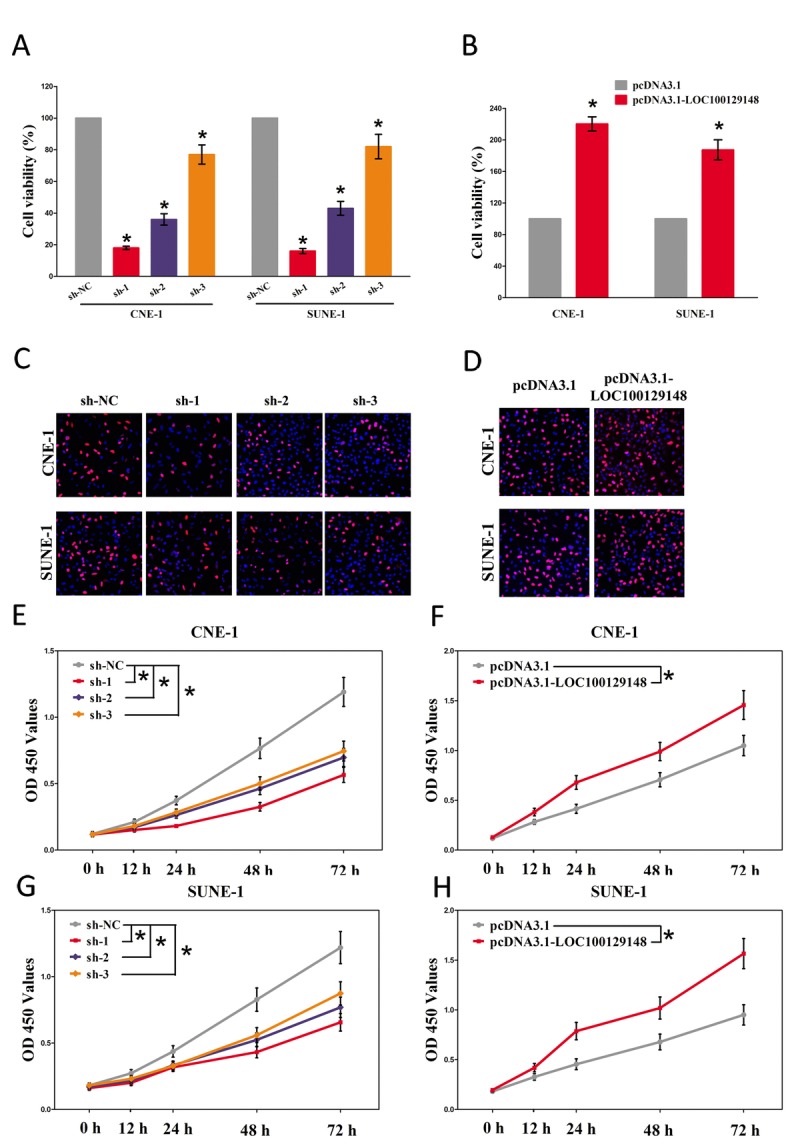
Figure 3. LOC100129148 promotes tumor NPC cell growth in vitro
(A-B) Statistical analysis of trypan blue staining. (C-D) Shown is representative photomicrograph of BrdU staining assay after transfection for fourteen days. (E-H) CCK8 assays of CNE-1 and SUNE-1 cells after transfection. Assays were performed in triplicate. *P < 0.05. Means ± SEM are shown. Statistical analysis was conducted using student t-test.
Figure 4
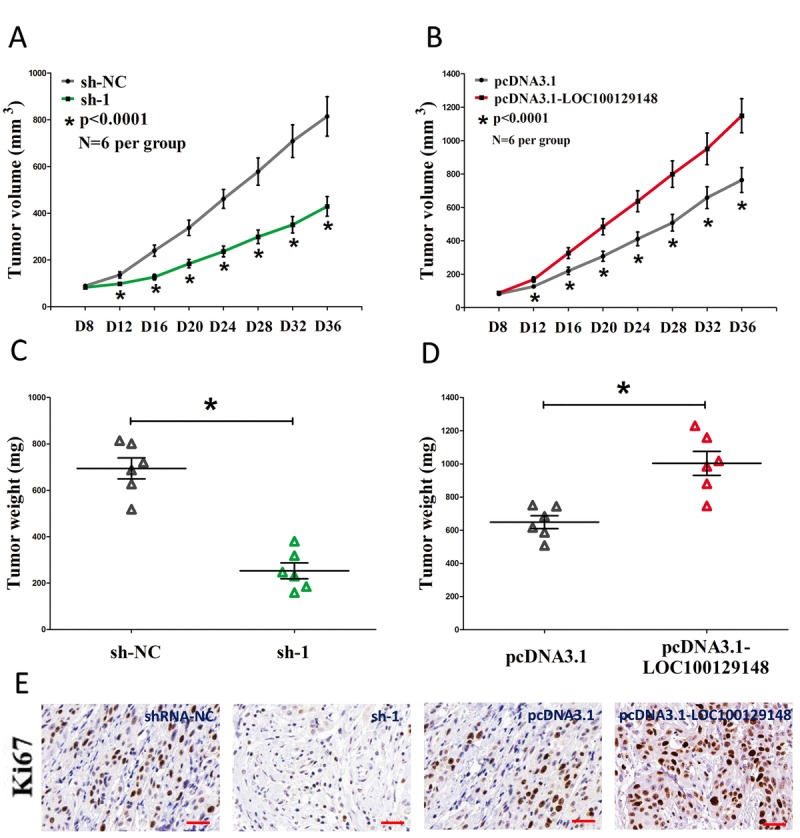
Figure 4. LOC100129148 promotes tumor NPC cell growth in vivo
(A-B) Tumor volume subcutaneous implantation models of CNE-1 cell are shown. (C-D) Tumor weight subcutaneous implantation models of CNE-1 cell are shown. (E) Immunohistochemistry of Ki67 in tumors isolated from shRNA-NC, sh-1, pcDNA3.1, and pcDNA3.1-LOC100129148 groups. Assays were performed in triplicate. *P < 0.05. Means ± SEM are shown. Statistical analysis was conducted using student t-test.
Figure 5
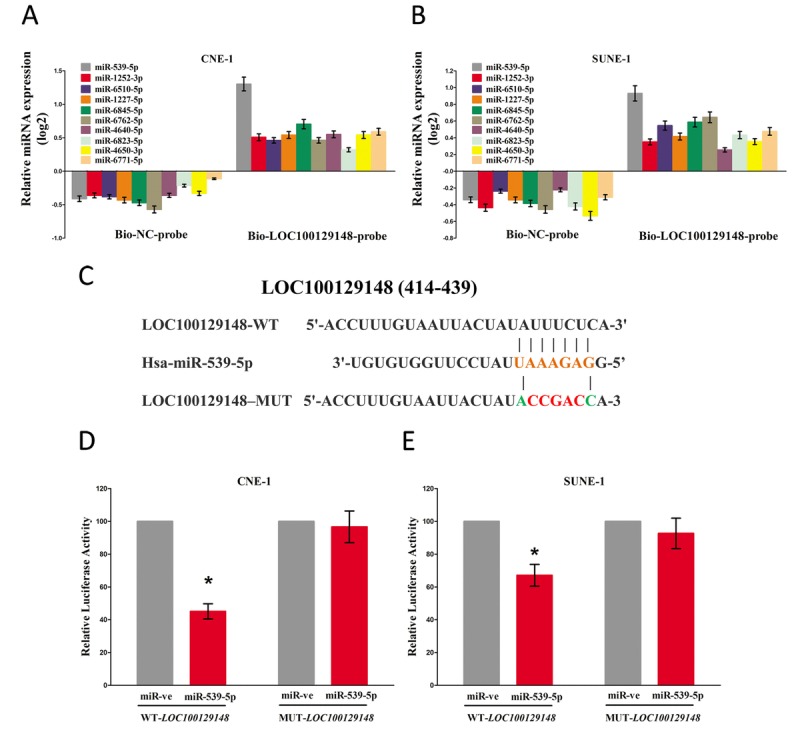
Figure 5. LOC100129148 is a direct target of miR-539-5p
(A-B) Detection of targeted miRNAs using qRT-PCR in the sample pulled down by biotinylated FTH1P3 probe. (C) Sequence alignment of miR-539-5p with the putative binding sites within the wild-type regions of LOC100129148. (D-E) The luciferase report assay demonstrated that overexpression of miR-539-5p could reduce the intensity of fluorescence in CNE-1 and SUNE-1 cells transfected with the LOC100129148-WT vector, while had no effect on the LOC100129148-MUT vector. Assays were performed in triplicate. *P< 0.05. Means ± SEM are shown. Statistical analysis was conducted using student t-test.
Figure 6
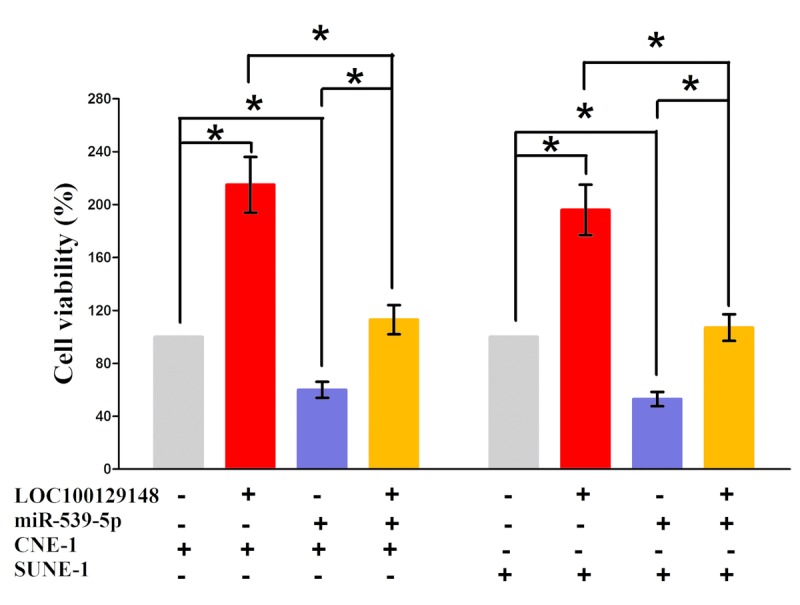
Figure 6. Up-regulated miR-539-5p in CNE-1 and SUNE-1 cells, which stably over-expressed LOC100129148, largely reversed the favorable effects of LOC100129148 on cell proliferation
Assays were performed in triplicate. *P< 0.05. Means ± SEM are shown. Statistical analysis was conducted using student t-test.
Figure 7
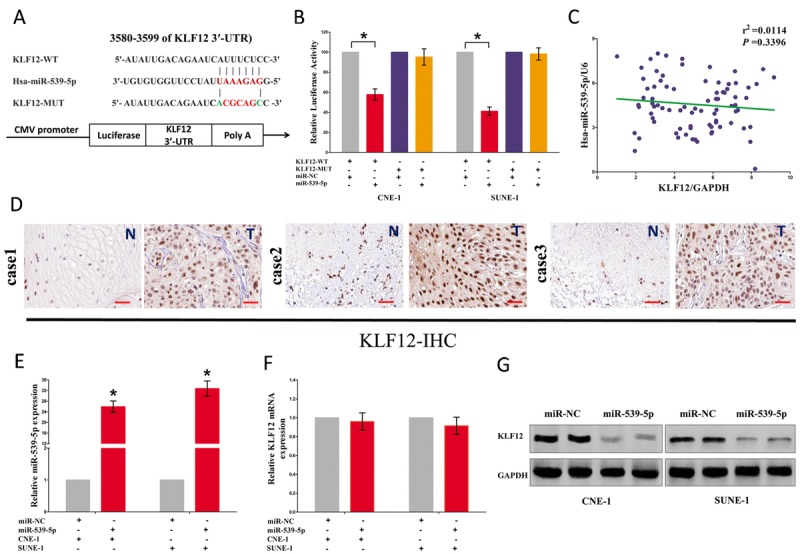
Figure 7. LOC100129148's oncogenic activity is in part through negative regulation of miR-539-5p, and then activation of KLF12 in NPC cells
(A) The 3'-UTR of KLF12 harbors one miR-539-5p cognate site. (B) Relative luciferase activity of reporter plasmids carrying wild-type or mutant KLF12 3'-UTR in CNE-1 and SUNE-1 cells co-transfected with negative control (NC) or miR-539-5p mimic. (C) mRNA expression of KLF12 and miR-539-5p in NPC tissues. (D) KLF12 is highly expressed in NPC tissues (T) that NP tissues (N). (E) Relative miR-539-5p expression after transfection with miR-NC and miR-539-5p. (F) Relative KLF12 mRNA expression after transfection with miR-NC and miR-539-5p. (G) Relative KLF12 protein expression after transfection with miR-NC and miR-539-5p. Assays were performed in triplicate. *P < 0.05. Means ± SEM are shown. Statistical analysis was conducted using student One-Way ANOVA test.
Figure 8
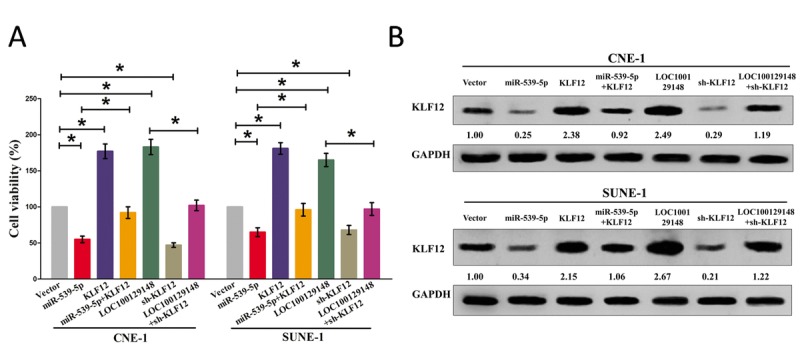
Figure 8. LOC100129148's oncogenic activity is in part through negative regulation of miR-539-5p, and then activation of KLF12 in NPC cells
(A) Statistical analysis of trypan blue staining. (B) Protein expression of KLF12 in miR-539-5p, sh-KLF12, LOC100129148, or LOC100129148+sh-KLF12 treated CNE-1 and SUNE-1 cells. Assays were performed in triplicate. *P < 0.05. Means ± SEM are shown. Statistical analysis was conducted using student One-Way ANOVA test.

References

    1. Pathmanathan R, Prasad U, Chandrika G, Sadler R, Flynn K, Raab-Traub N. Undifferentiated, nonkeratinizing, and squamous cell carcinoma of the nasopharynx. Variants of Epstein-Barr virus-infected neoplasia. Am J Pathol. 1995;146:1355–67. - PMC - PubMed
    1. Ke L, Xiang Y, Guo X, Lu J, Xia W, Yu Y, Peng Y, Wang L, Wang G, Ye Y, Yang J, Liang H, Kang T, Lv X. c-Src activation promotes nasopharyngeal carcinoma metastasis by inducing the epithelial-mesenchymal transition via PI3K/Akt signaling pathway: a new and promising target for NPC. Oncotarget. 2016;7:28340–55. doi: 10.18632/oncotarget.8634. - DOI - PMC - PubMed
    1. Ozyar E. Prognostic role of negative plasma EBV DNA level in patients with NPC. Oral Oncol. 2016;63:e7. doi: 10.1016/j.oraloncology.2016.08.011. - DOI - PubMed
    1. Wu CC, Fang CY, Hsu HY, Chuang HY, Cheng YJ, Chen YJ, Chou SP, Huang SY, Lin SF, Chang Y, Tsai CH, Chen JY. EBV reactivation as a target of luteolin to repress NPC tumorigenesis. Oncotarget. 2016;7:18999–9017. doi: 10.18632/oncotarget.7967. - DOI - PMC - PubMed
    1. Bensouda Y, Kaikani W, Ahbeddou N, Rahhali R, Jabri M, Mrabti H, Boussen H, Errihani H. Treatment for metastatic nasopharyngeal carcinoma. Eur Ann Otorhinolaryngol Head Neck Dis. 2011;128:79–85. doi: 10.1016/j.anorl.2010.10.003. - DOI - PubMed

MeSH terms

LinkOut - more resources