Strongyloides hyperinfection syndrome in an immunocompetent host resulting in bandemia and death
- PMID: 28331018
- PMCID: PMC5372183
- DOI: 10.1136/bcr-2016-217911
Strongyloides hyperinfection syndrome in an immunocompetent host resulting in bandemia and death
Abstract
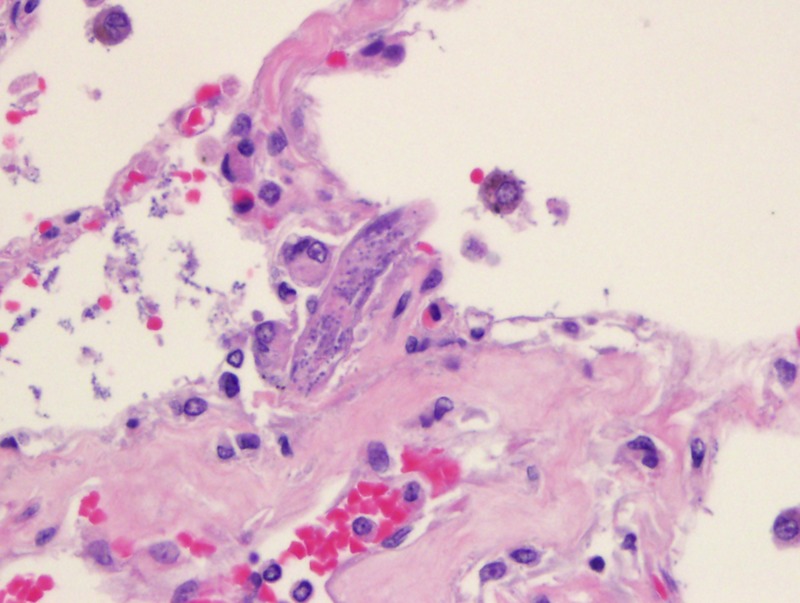
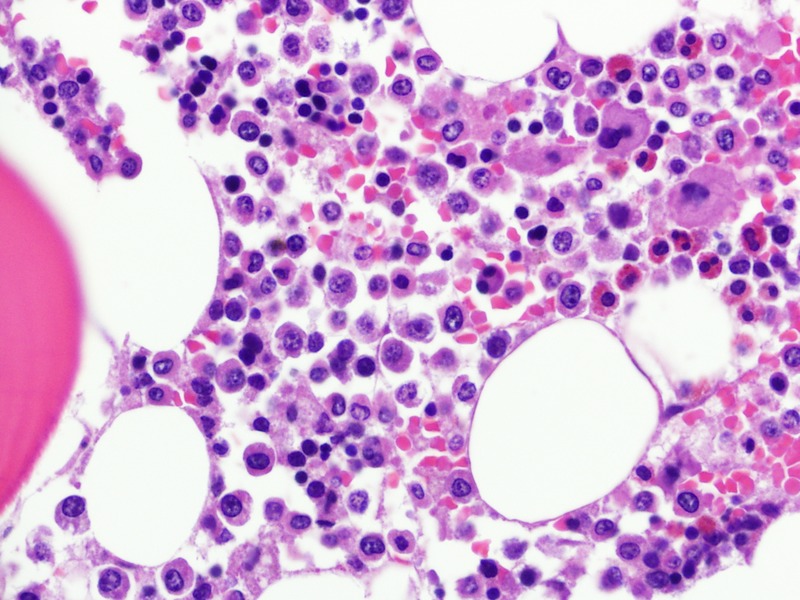
Strongyloides stercoralis infection is usually asymptomatic but can result in a hyperinfection syndrome, most commonly triggered by acquired or iatrogenic immunosuppression. Here, we present a case of a man aged 60 years originally from a strongyloides endemic area with a medical history of alcohol abuse who presents with strongyloides hyperinfection syndrome (SHS) complicated by partial small bowel obstruction, pulmonary haemorrhage, large bandemia without eosinophilia and cardiac arrest resulting in death. This case is notable for the presence of bandemia and absence of eosinophilia, lack of historical risk factors for hyperinfection, specifically corticosteroid immunosuppressants, and dramatic decline in clinical status which ultimately resulted in the patient's death. Clinicians should suspect SHS in immunocompetent patients who are from an endemic area and who have persistent gastrointestinal and/or pulmonary manifestations in the absence of a clear cause.
2017 BMJ Publishing Group Ltd.
Conflict of interest statement
Figures
References
Publication types
MeSH terms
LinkOut - more resources
Full Text Sources
Other Literature Sources