


Skin disorders in Parkinson's disease: potential biomarkers and risk factors
- PMID: 28331352
- PMCID: PMC5352163
- DOI: 10.2147/CCID.S130319
Skin disorders in Parkinson's disease: potential biomarkers and risk factors
Abstract
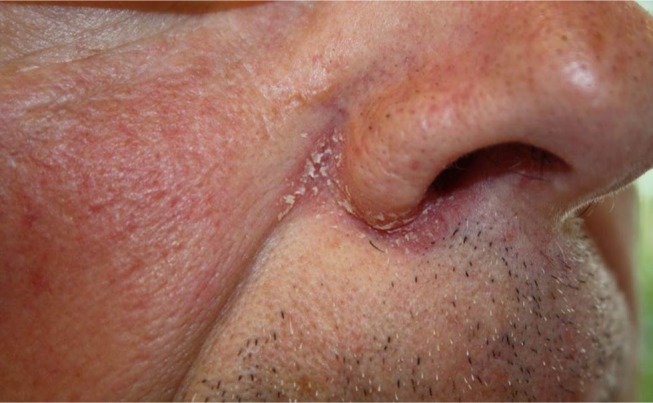
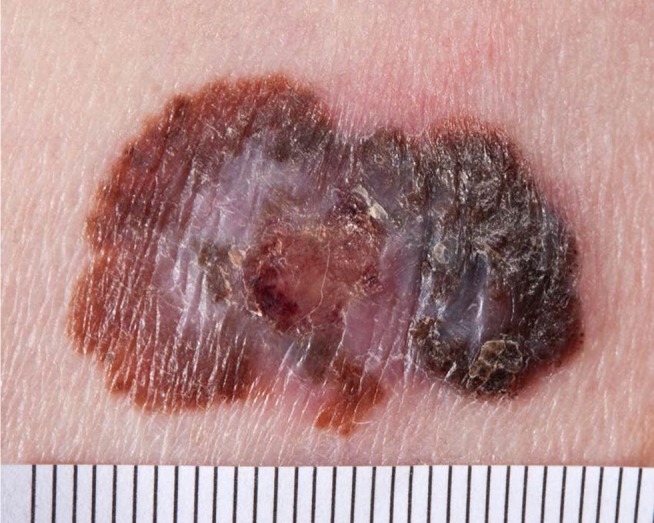
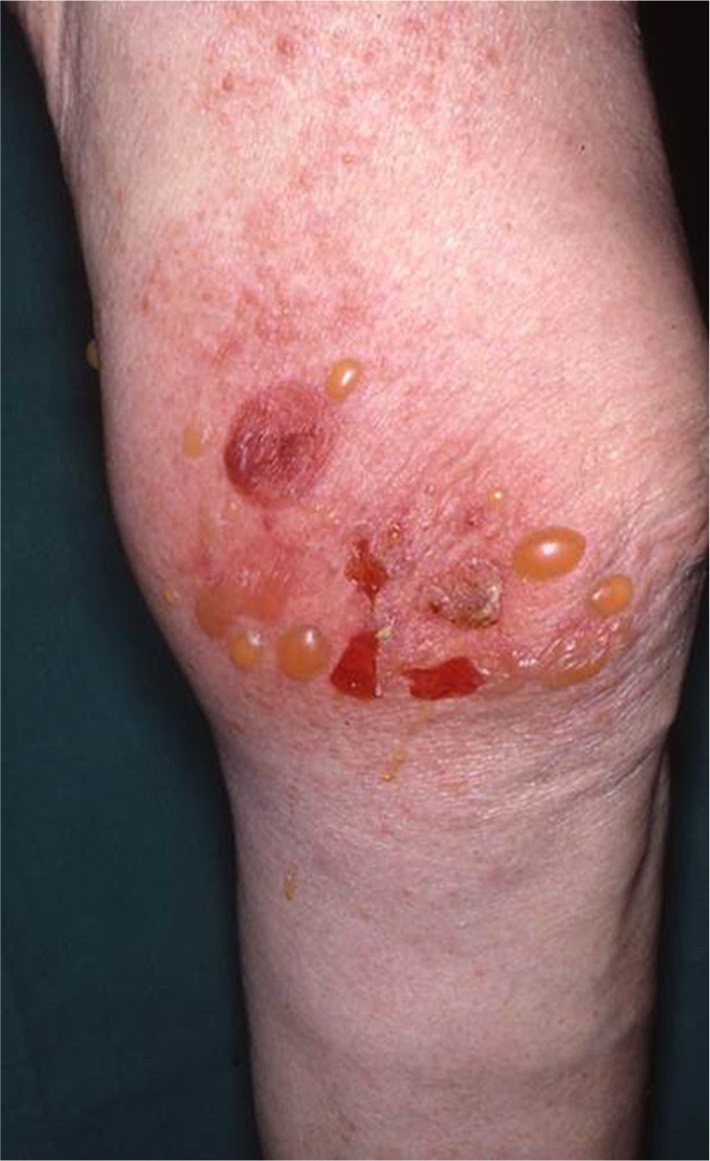
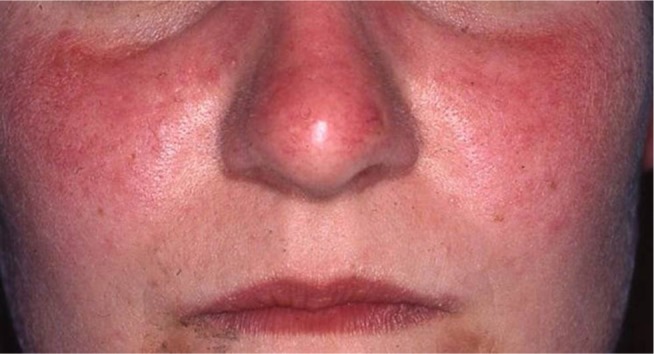
Parkinson's disease (PD) is one of the most common neurodegenerative disorders, characterized by a symptom triad comprising resting tremor, rigidity, and akinesia. In addition, non-motor symptoms of PD are well recognized and often precede the overt motor manifestations. Cutaneous manifestations as markers of PD have long been discussed, and cumulative evidence shows an increased prevalence of certain dermatological disorders in PD. Seborrheic dermatitis is considered to occur as a premotor feature of PD referable to dysregulation of the autonomic nervous system. Also, an increased risk of melanoma has been observed in PD. Light hair color is a known risk factor for melanoma, and interestingly the risk of PD is found to be significantly higher in individuals with light hair color and particularly with red hair. Furthermore, several studies have reported a high prevalence of PD in patients with bullous pemphigoid. Moreover, a 2-fold increase in risk of new-onset PD has been observed in patients with rosacea. Besides the association between PD and various dermatological disorders, the skin may be useful in the diagnosis of PD. Early PD pathology is found not only in the brain but also in extra-neuronal tissues. Thus, the protein α-synuclein, which is genetically associated with PD, is present not only in the CNS but also in the skin. Hence, higher values of α-synuclein have been observed in the skin of patients with PD. Furthermore, an increased risk of PD has been found in the Cys/Cys genotype, which is associated with red hair color. In this review, we summarize the current evidence of the association between PD and dermatological disorders, the cutaneous adverse effects of neurological medications, and describe the potential of skin protein expression and biomarkers in identification of risk and diagnosis of PD.
Keywords: Parkinson’s disease; bullous pemphigoid; melanoma; rosacea; seborrheic dermatitis.
Conflict of interest statement
Disclosure Dr. Egeberg has received research funding and/or consultancy honoraria from Pfizer and Eli Lilly, and honoraria as consultant and/or speaker from Pfizer, Eli Lilly, Novartis, Galderma, and Janssen Pharmaceuticals. Dr. Thyssen is supported by an unrestricted grant from the Lundbeck Foundation and has received speaker honoraria from Galderma and MEDA. The authors report no other conflicts of interest in this work.
Figures
References
-
- de Lau LML, Breteler MMB. Epidemiology of Parkinson’s disease. Lancet Neurol. 2006;5(6):525–535. - PubMed
-
- Chaudhuri KR, Healy DG, Schapira AH, National Institute for Clinical Excellence Non-motor symptoms of Parkinson’s disease: diagnosis and management. Lancet Neurol. 2006;5(3):235–245. - PubMed
-
- Gregory R, Miller S. Parkinson’s disease and the skin. Pract Neurol. 2015;15(4):246–249. - PubMed
-
- Gupta AK, Madzia SE, Batra R. Etiology and management of seborrheic dermatitis. Dermatology. 2004;208(2):89–93. - PubMed
Publication types
LinkOut - more resources
Full Text Sources
Other Literature Sources
