


Sweating Rate and Sweat Sodium Concentration in Athletes: A Review of Methodology and Intra/Interindividual Variability
- PMID: 28332116
- PMCID: PMC5371639
- DOI: 10.1007/s40279-017-0691-5
Sweating Rate and Sweat Sodium Concentration in Athletes: A Review of Methodology and Intra/Interindividual Variability
Abstract
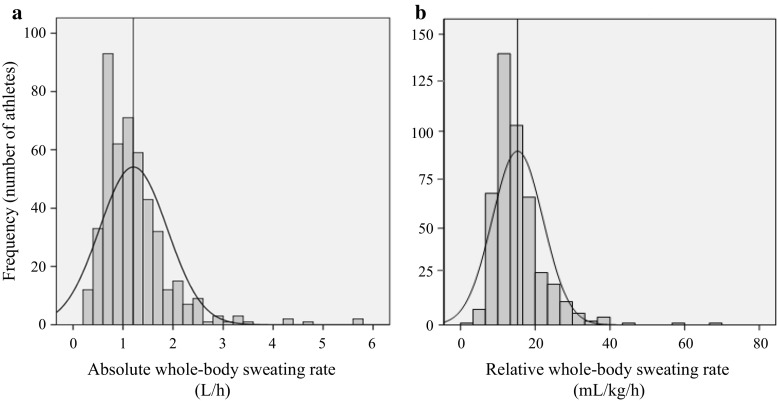
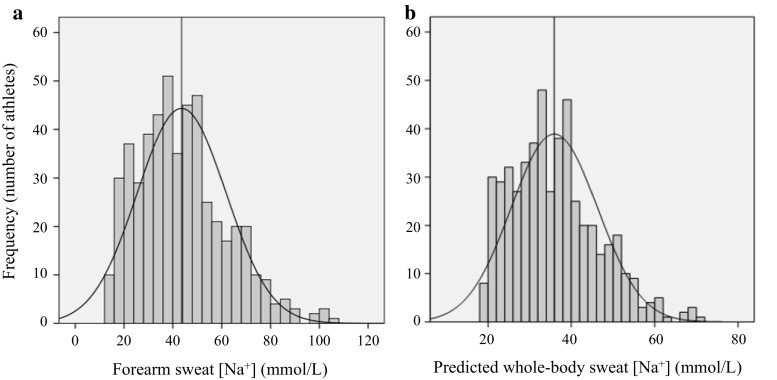
Athletes lose water and electrolytes as a consequence of thermoregulatory sweating during exercise and it is well known that the rate and composition of sweat loss can vary considerably within and among individuals. Many scientists and practitioners conduct sweat tests to determine sweat water and electrolyte losses of athletes during practice and competition. The information gleaned from sweat testing is often used to guide personalized fluid and electrolyte replacement recommendations for athletes; however, unstandardized methodological practices and challenging field conditions can produce inconsistent/inaccurate results. The primary objective of this paper is to provide a review of the literature regarding the effect of laboratory and field sweat-testing methodological variations on sweating rate (SR) and sweat composition (primarily sodium concentration [Na+]). The simplest and most accurate method to assess whole-body SR is via changes in body mass during exercise; however, potential confounding factors to consider are non-sweat sources of mass change and trapped sweat in clothing. In addition, variability in sweat [Na+] can result from differences in the type of collection system used (whole body or localized), the timing/duration of sweat collection, skin cleaning procedure, sample storage/handling, and analytical technique. Another aim of this paper is to briefly review factors that may impact intra/interindividual variability in SR and sweat [Na+] during exercise, including exercise intensity, environmental conditions, heat acclimation, aerobic capacity, body size/composition, wearing of protective equipment, sex, maturation, aging, diet, and/or hydration status. In summary, sweat testing can be a useful tool to estimate athletes' SR and sweat Na+ loss to help guide fluid/electrolyte replacement strategies, provided that data are collected, analyzed, and interpreted appropriately.
Figures
References
Publication types
MeSH terms
Substances
LinkOut - more resources
Full Text Sources
Other Literature Sources
Medical
Research Materials
