


HDL cholesterol: reappraisal of its clinical relevance
- PMID: 28342064
- PMCID: PMC5565659
- DOI: 10.1007/s00392-017-1106-1
HDL cholesterol: reappraisal of its clinical relevance
Abstract
Background: While several lines of evidence prove that elevated concentrations of low-density lipoproteins (LDL) causally contribute to the development of atherosclerosis and its clinical consequences, high-density lipoproteins are still widely believed to exert atheroprotective effects. Hence, HDL cholesterol (HDL-C) is in general still considered as "good cholesterol". Recent research, however, suggests that this might not always be the case and that a fundamental reassessment of the clinical significance of HDL-C is warranted.
Method: This review article is based on a selective literature review.
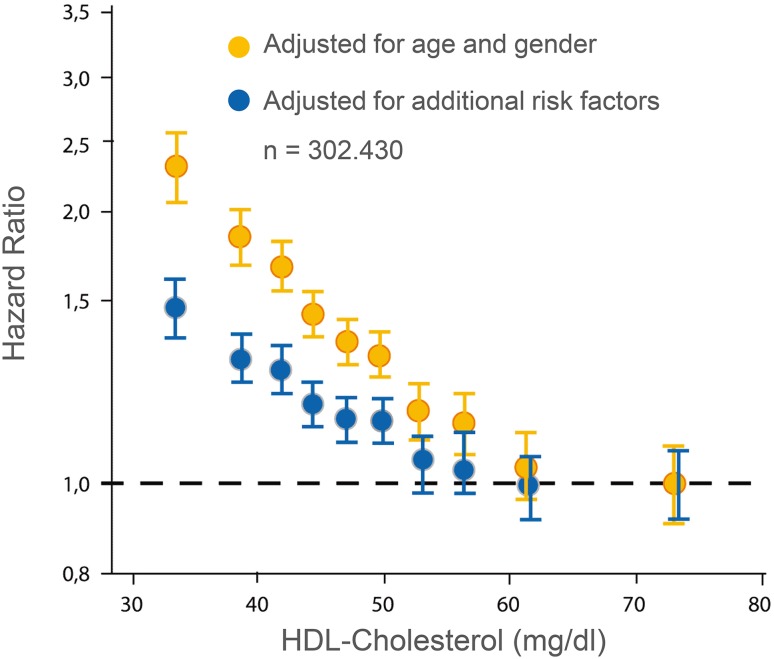
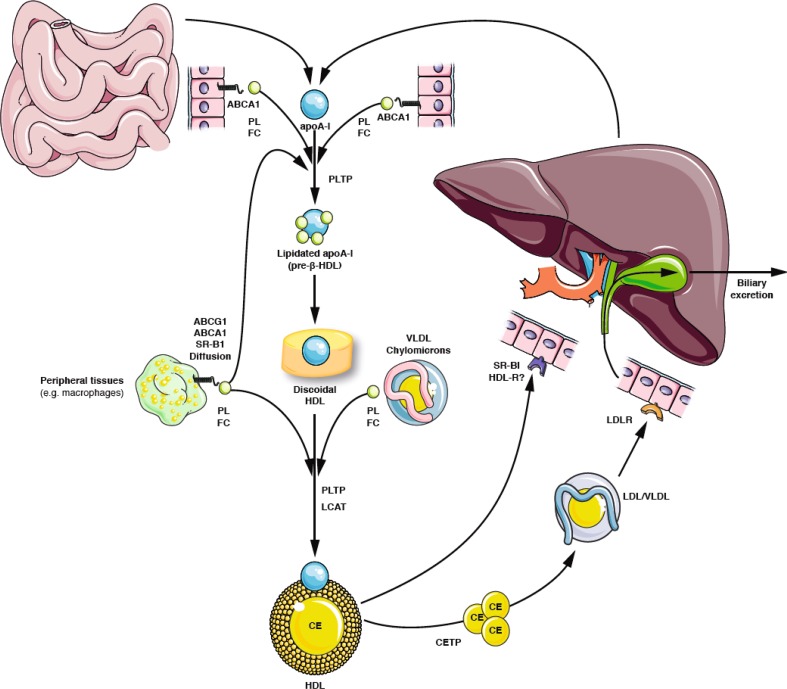
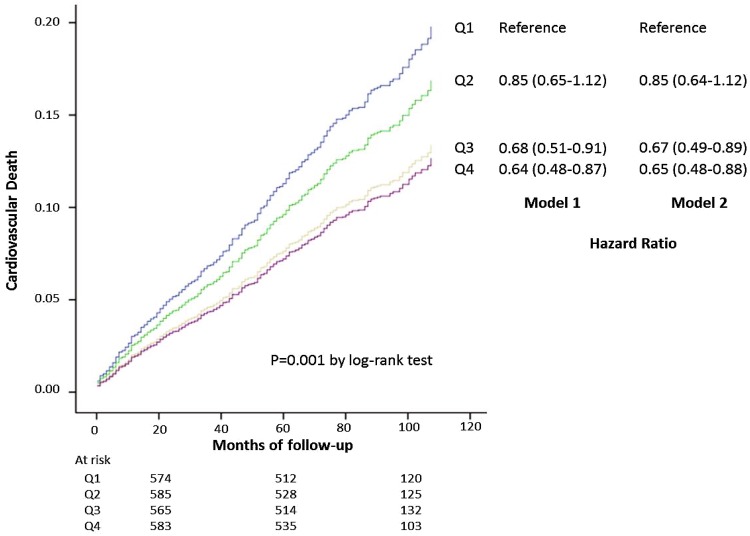
Results: In individuals without a history of cardiovascular events, low concentrations of HDL-C are inversely associated with the risk of future cardiovascular events. This relationship may, however, not apply to patients with metabolic disorders or manifest cardiovascular disease. The classical function of HDL is to mobilise cholesterol from extrahepatic tissues for delivery to the liver for excretion. These roles in cholesterol metabolism as well as many other biological functions of HDL particles are dependent on the number as well as protein and lipid composition of HDL particles. They are poorly reflected by the HDL-C concentration. HDL can even exert negative vascular effects, if its composition is pathologically altered. High serum HDL-C is therefore no longer regarded protective. In line with this, recent pharmacological approaches to raise HDL-C concentration have not been able to show reductions of cardiovascular outcomes.
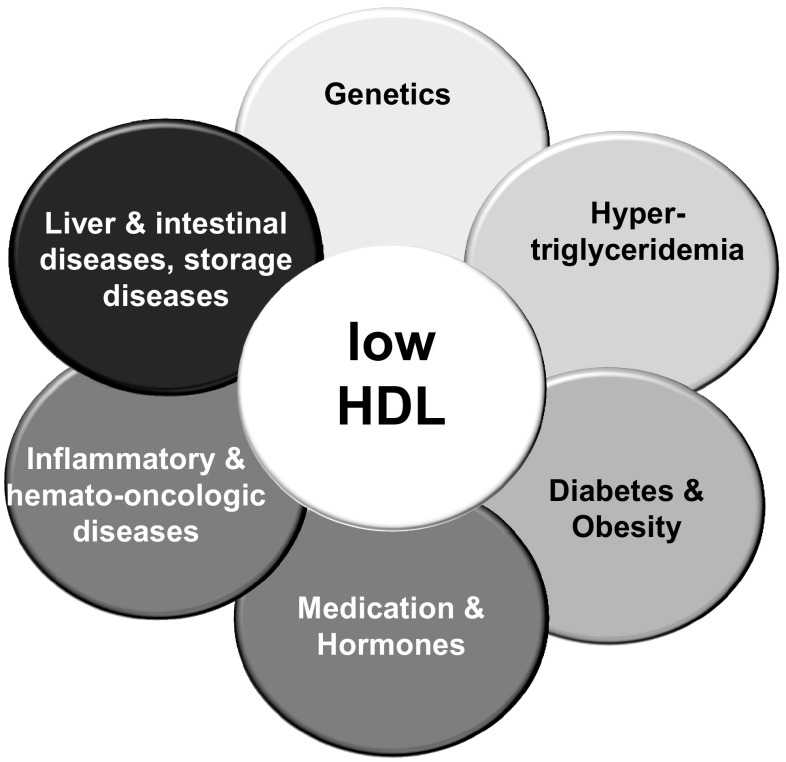
Conclusion: In contrast to LDL cholesterol (LDL-C), HDL-C correlates with cardiovascular risk only in healthy individuals. The calculation of the ratio of LDL-C to HDL-C is not useful for all patients. Low HDL-C should prompt examination of additional metabolic and inflammatory pathologies. An increase in HDL-C through lifestyle change (smoking cessation, physical exercise) has positive effects and is recommended. However, HDL-C is currently not a valid target for drug therapy.
Keywords: Cholesterol; HDL; Review.
Figures
References
-
- Gordon DJ, Probstfield JL, Garrison RJ, et al. High density lipoprotein cholesterol and cardiovascular disease. Four Prospective American Studies. Circulation. 1989;79:8–15. - PubMed
-
- Genest JJ, McNamara JR, Salem DN, Schaefer EJ. Prevalence of risk factors in men with premature coronary artery disease. Am J Cardiol. 1991;67(15):1185–1189. - PubMed
-
- van der Steeg WA, Holme I, Boekholdt SM, et al. High-density lipoprotein cholesterol, high-density lipoprotein particle size, and apolipoprotein A-I: significance for cardiovascular risk: the IDEAL and EPIC-Norfolk studies. J Am Coll Cardiol. 2008;51(6):634–642. - PubMed
Publication types
MeSH terms
Substances
LinkOut - more resources
Full Text Sources
Other Literature Sources
Medical
