


More bark than bite: Comparative studies are needed to determine the importance of canine zoonoses in Aboriginal communities. A critical review of published research
- PMID: 28342271
- PMCID: PMC7159129
- DOI: 10.1111/zph.12354
More bark than bite: Comparative studies are needed to determine the importance of canine zoonoses in Aboriginal communities. A critical review of published research
Abstract
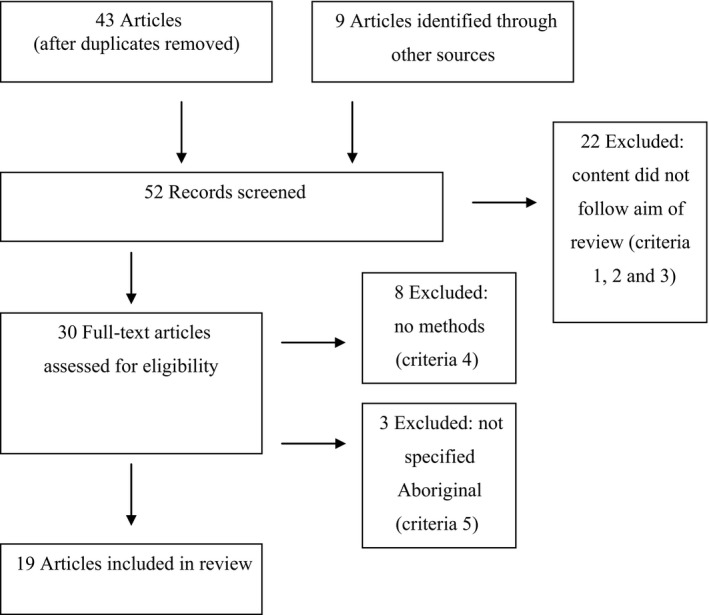
The objective of this review was to identify and critique over forty years of peer-reviewed literature concerned with the transmission of canine zoonoses to Aboriginal people and determine the zoonotic organisms documented in dogs in Australian Aboriginal communities. A systematic literature search of public health, medical and veterinary databases identified 19 articles suitable for critical appraisal. Thirteen articles documented the occurrence of recognized zoonotic organisms in dogs in Aboriginal communities, including Toxocara canis, Dirofilaria immitis, Streptococcus dysgalactiae, Rickettsia felis, Sarcoptes scabiei and Giardia. Currently, there is definitive evidence indicating that dogs act as a reservoir for human scabies in Aboriginal communities. However, there is a need for large-scale, high-quality, comparative studies of dogs and humans from the same household to assess the occurrence and importance of transmission of S. scabiei and other diseases between dogs and humans. These studies should use current genetic and molecular techniques along with traditional techniques to identify and type organisms in order to better understand their epidemiology. This review has revealed that there is a lack of high-quality comparative studies to determine whether dogs are contributing to human disease by transmitting zoonoses. Our recommendations differ significantly from current public health policy and may have substantial implications for human and dog health.
Keywords: Aboriginal; dogs; parasites; scabies; zoonoses.
© 2017 Blackwell Verlag GmbH.
Figures
References
-
- Abreu, C. , & D'adonna, A . (2009). Supporting animal management in Aboriginal and Torres Strait Islander governments In: Working Group for Aboriginal and Torres Strait Islander Environmental Health (ed.) 7th National Aboriginal and Torres Strait Islander Environmental Health Conference. Kalgoorlie, WA: Australian Government, Department of Health and Ageing website.
-
- Barry, C. , Waring, J. , Stapledon, R. , & Konstantinos, A. (2012). Tuberculosis notifications in Australia, 2008 and 2009. Communicable Diseases Intelligence Quarterly Report, 36, 82. - PubMed
-
- Brandt, C. M. , & Spellerberg, B. (2009). Human infections due to Streptococcus dysgalactiae subspecies equisimilis. Clinical Infectious Diseases, 49, 766–772. - PubMed
-
- Catling, P. C. , Corbett, L. K. , & Newsome, A. E. (1992). Reproduction in captive and wild dingoes (Canis familiaris dingo) in temperate and arid environments of Australia. Wildlife Research, 19, 195–209.
Publication types
MeSH terms
LinkOut - more resources
Full Text Sources
Other Literature Sources
Medical
