


Chemical composition and pharmacological activities of Pisum sativum
- PMID: 28347309
- PMCID: PMC5368943
- DOI: 10.1186/s12906-017-1699-y
Chemical composition and pharmacological activities of Pisum sativum
Abstract
Background: Consumption of vegetables has been proven to be effective in the prevention of different diseases. Traditionally edible aerial part of Pisum sativum L. subsp. sativum (Fabaceae) is used to treat diabetes, heart diseases and as blood purifier. Present study was aimed to explore the traditional use of aerial parts of P. sativum as a source of antidiabetic agent. In addition, antioxidant activity and chemical composition was carried out.
Methods: Total polyphenol content was spectrophotometrically determined using Folin Chiocalteu's reagent while the flavonoids by aluminum chloride colorimetric assay. Identification of compounds of the extract was made through HPLC and LCMS. Antihyperglycemic activity was assessed by oral glucose tolerance test in mice. Antioxidant activity was determined by DPPH free radical scavenging and reducing power assay.
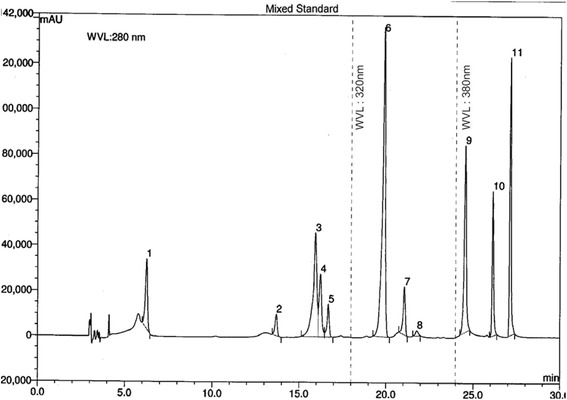
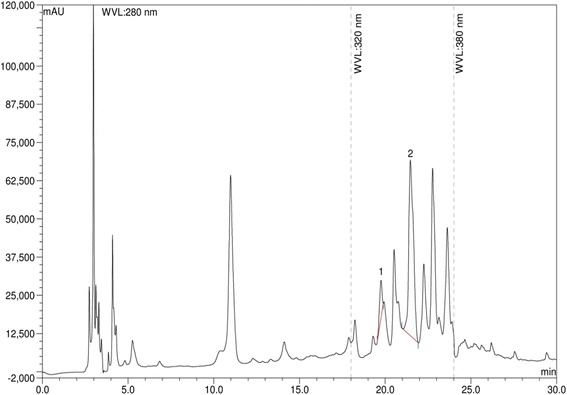
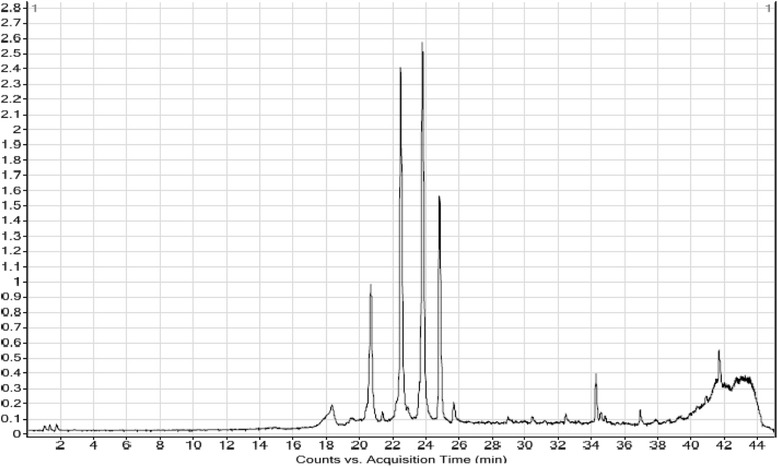
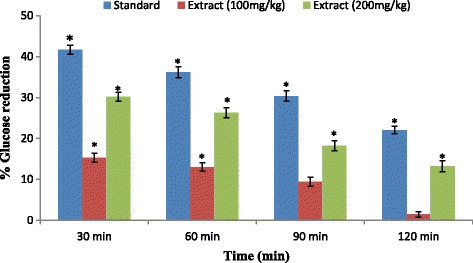
Results: Total polyphenol and total flavonoids content were found to be 51.23 mg gallic acid equivalent and 30.88 mg quercetin equivalent per gram of dried plant extract respectively. Ellagic acid and p-coumeric acid were detected through HPLC. A total of eight compounds including naringenin, β-sitosterol were indentified through LCMS. In OGTT, extract (200 mg/kg bw) showed a 30.24% decrease (P< 0.05) in blood glucose levels at 30 min compared to the normal control. The extract showed IC50 value of 158.52 μg/mL in DPPH scavenging assay and also showed comparable reducing power.
Conclusion: Along with other compounds ellagic acid and β-sitosterol present in the extract may be responsible for its antioxidant as well as antihyperglycemic activities. Altogether these results rationalize the use of this vegetable in traditional medicine.
Keywords: Antidiabetic; Antioxidant; Ellagic acid; HPLC; LCMS; β-sitosterol.
Figures
References
-
- Ahmad NK, Rahmat AK, Mushtaq A, Nadia M. Role of antioxidant in oxidative stress and diabetes mellitus. J Pharmacogn Phytochem. 2015;3(6):217–220.
-
- Suhaila M. Functional foods against metabolic syndrome (obesity, diabetes, hypertension and dyslipidemia) and cardiovasular disease. Trends Food Sci Technol. 2014;35(2):114–128. doi: 10.1016/j.tifs.2013.11.001. - DOI
-
- Chikezie PC, Ojiako OA, Nwufo KC. Overview of anti-diabetic medicinal plants: the Nigerian research experience. J Diabetes Metab. 2015;6(6):546. doi: 10.4172/2155-6156.1000546. - DOI
-
- Rawat M, Parmar N. Medicinal plants with antidiabetic potential-a review. American-Eurasian J Agric Environ Sci. 2013;13(1):81–94.
MeSH terms
Substances
LinkOut - more resources
Full Text Sources
Other Literature Sources
Medical
