


Spemann organizer transcriptome induction by early beta-catenin, Wnt, Nodal, and Siamois signals in Xenopus laevis
- PMID: 28348214
- PMCID: PMC5393196
- DOI: 10.1073/pnas.1700766114
Spemann organizer transcriptome induction by early beta-catenin, Wnt, Nodal, and Siamois signals in Xenopus laevis
Abstract
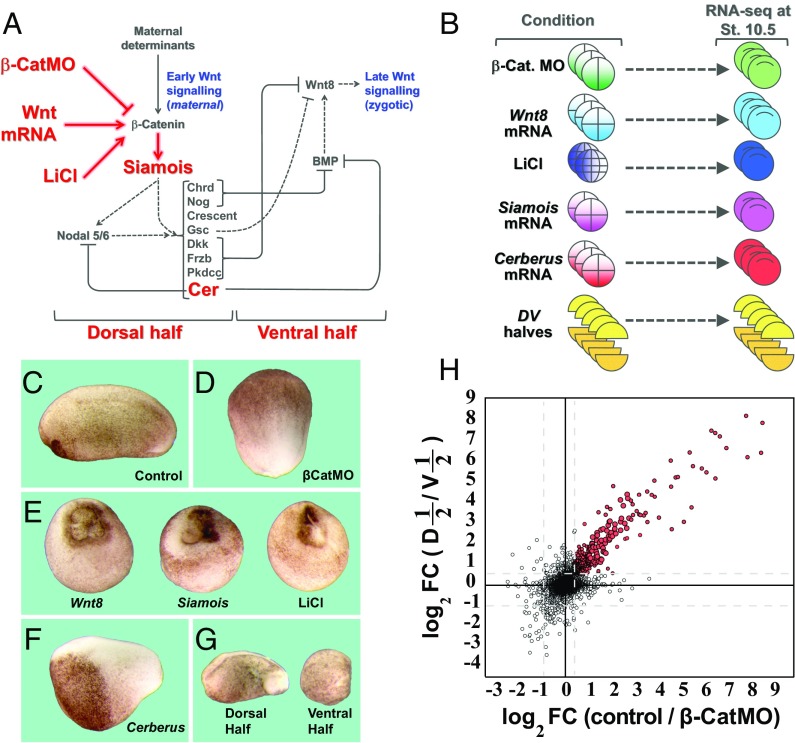
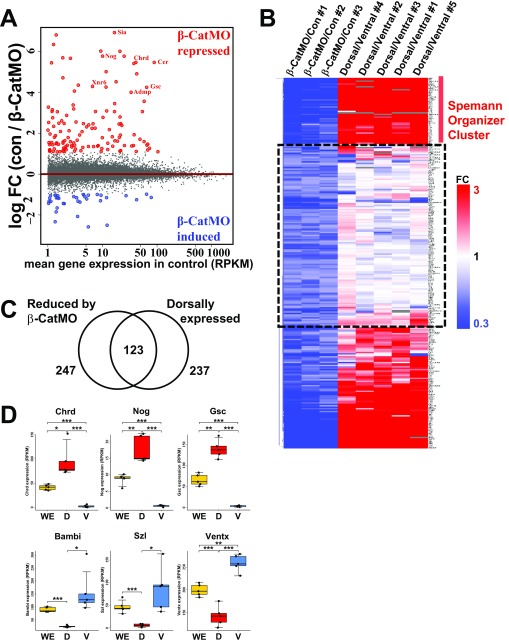
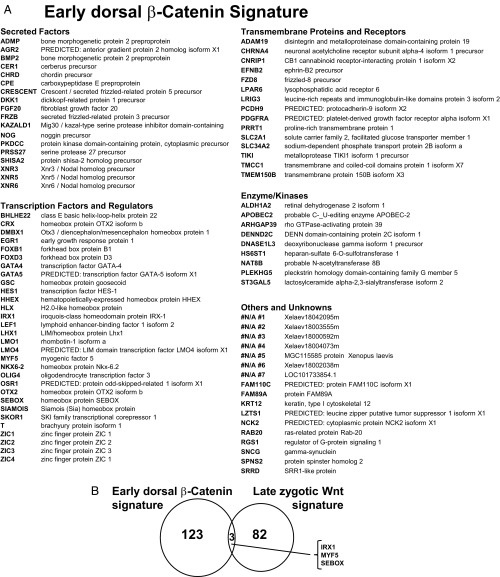
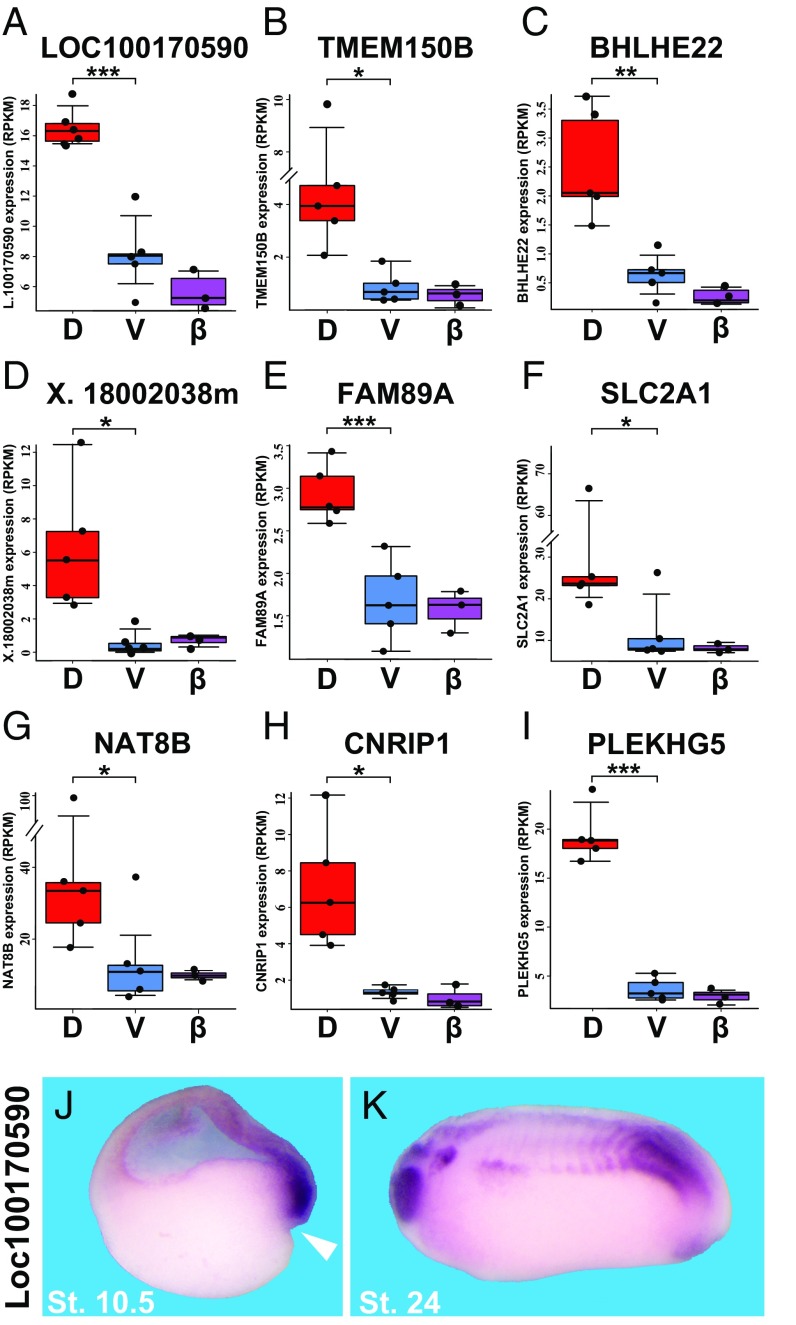
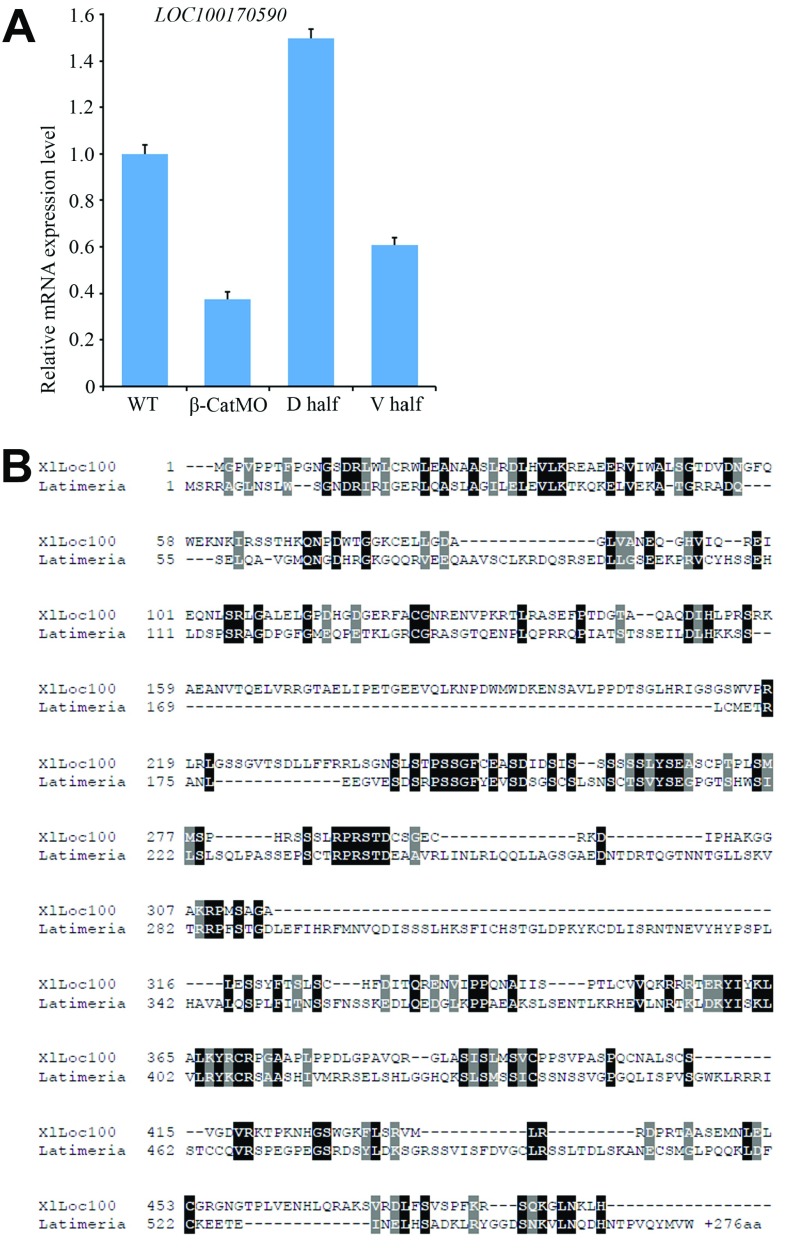
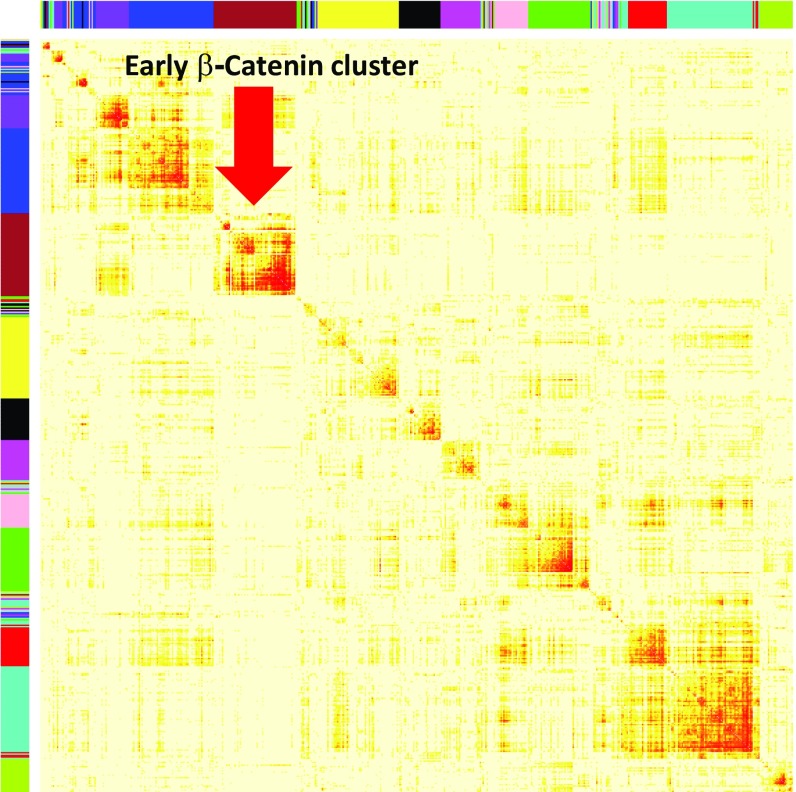
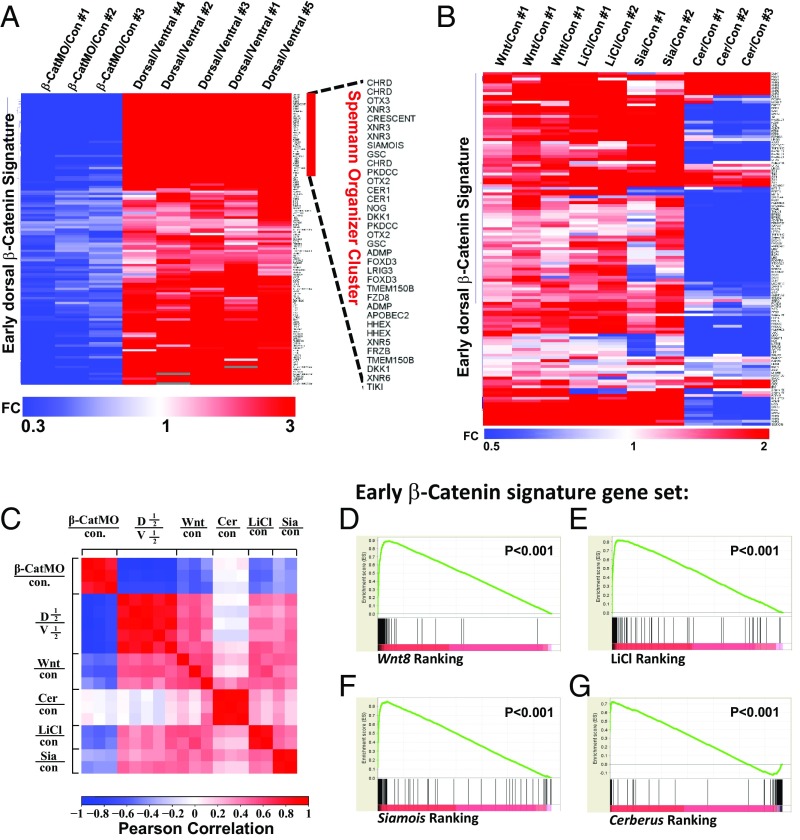
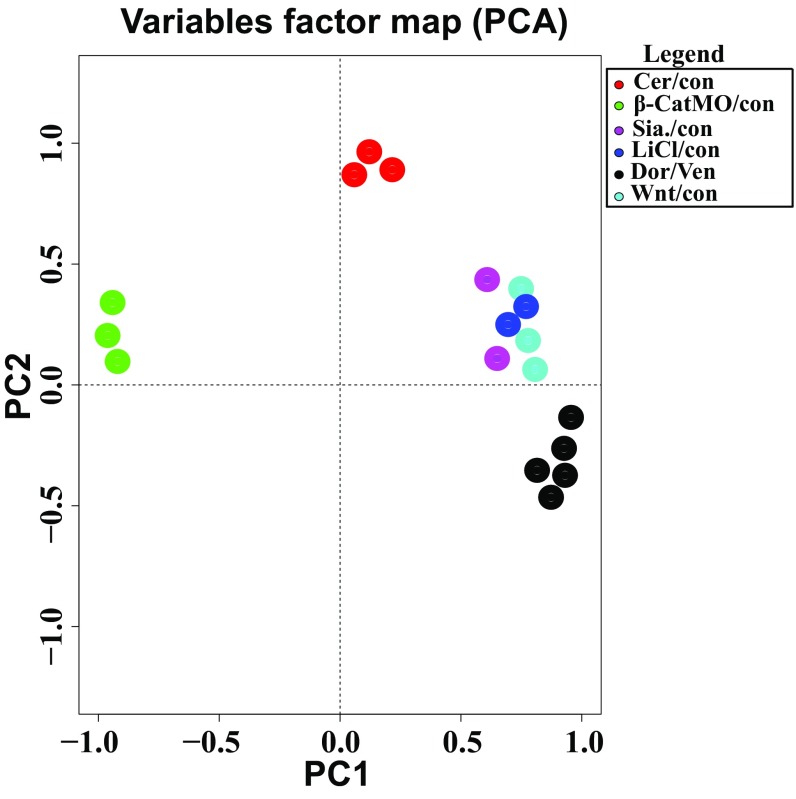
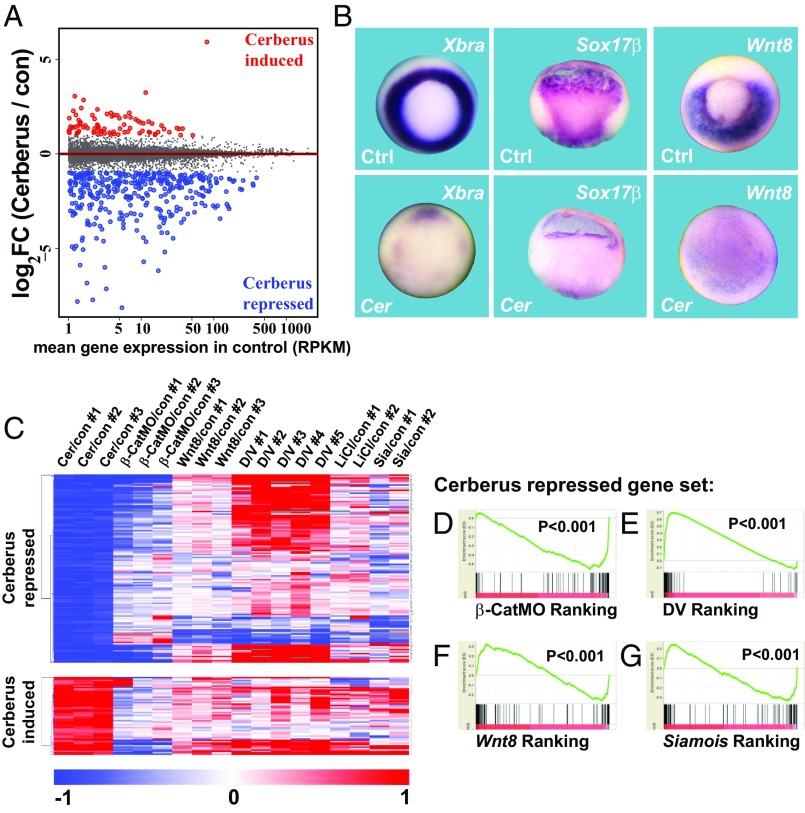
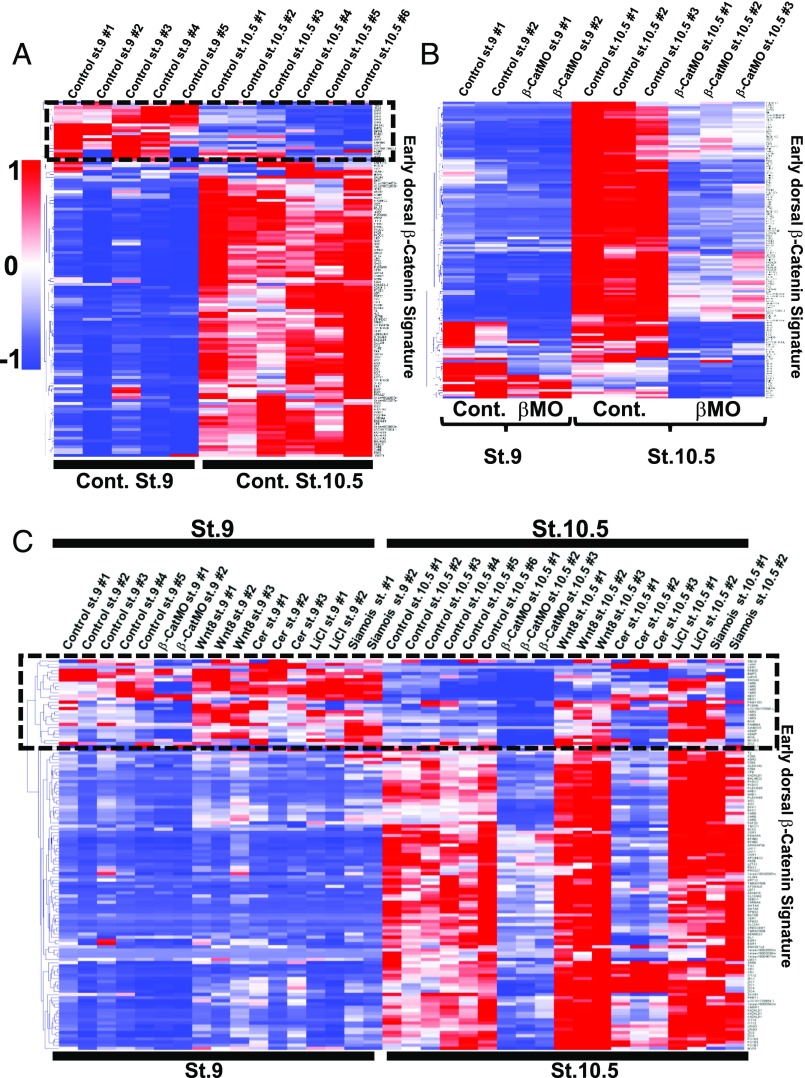
The earliest event in Xenopus development is the dorsal accumulation of nuclear β-catenin under the influence of cytoplasmic determinants displaced by fertilization. In this study, a genome-wide approach was used to examine transcription of the 43,673 genes annotated in the Xenopus laevis genome under a variety of conditions that inhibit or promote formation of the Spemann organizer signaling center. Loss of function of β-catenin with antisense morpholinos reproducibly reduced the expression of 247 mRNAs at gastrula stage. Interestingly, only 123 β-catenin targets were enriched on the dorsal side and defined an early dorsal β-catenin gene signature. These genes included several previously unrecognized Spemann organizer components. Surprisingly, only 3 of these 123 genes overlapped with the late Wnt signature recently defined by two other groups using inhibition by Dkk1 mRNA or Wnt8 morpholinos, which indicates that the effects of β-catenin/Wnt signaling in early development are exquisitely regulated by stage-dependent mechanisms. We analyzed transcriptome responses to a number of treatments in a total of 46 RNA-seq libraries. These treatments included, in addition to β-catenin depletion, regenerating dorsal and ventral half-embryos, lithium chloride treatment, and the overexpression of Wnt8, Siamois, and Cerberus mRNAs. Only some of the early dorsal β-catenin signature genes were activated at blastula whereas others required the induction of endomesoderm, as indicated by their inhibition by Cerberus overexpression. These comprehensive data provide a rich resource for analyzing how the dorsal and ventral regions of the embryo communicate with each other in a self-organizing vertebrate model embryo.
Keywords: Cerberus; Spemann organizer; Wnt signaling; embryonic induction; embryonic patterning.
Conflict of interest statement
The authors declare no conflict of interest.
Figures
References
-
- Christian JL, Moon RT. Interactions between Xwnt-8 and Spemann organizer signaling pathways generate dorsoventral pattern in the embryonic mesoderm of Xenopus. Genes Dev. 1993;7(1):13–28. - PubMed
Publication types
MeSH terms
Substances
Grants and funding
LinkOut - more resources
Full Text Sources
Other Literature Sources
Molecular Biology Databases
