


Power Morcellation Using a Contained Bag System
- PMID: 28352146
- PMCID: PMC5346019
- DOI: 10.4293/JSLS.2016.00095
Power Morcellation Using a Contained Bag System
Abstract
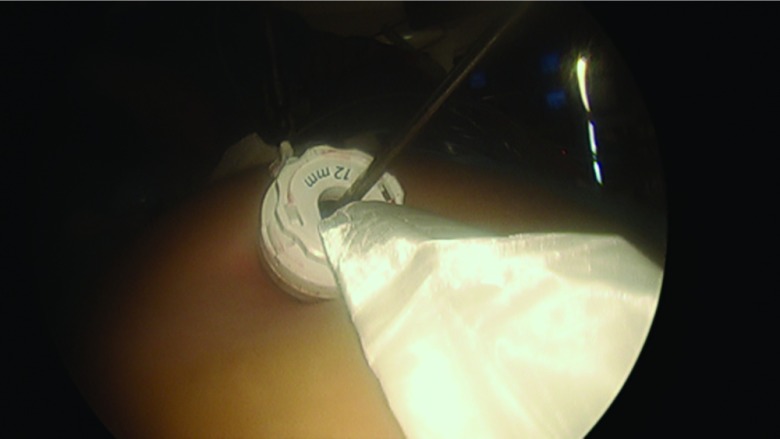
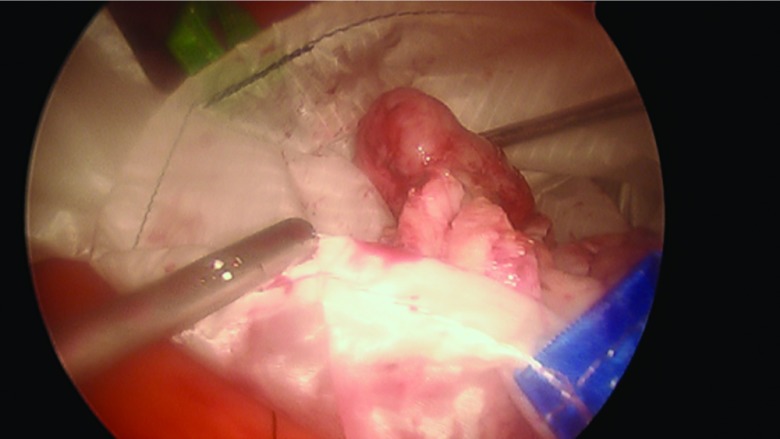
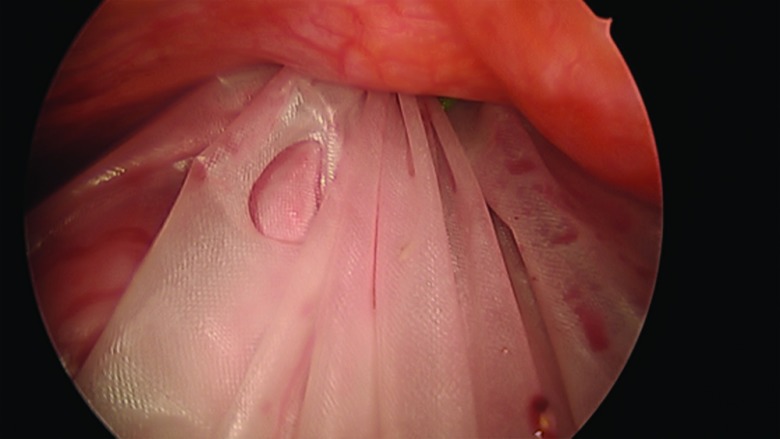
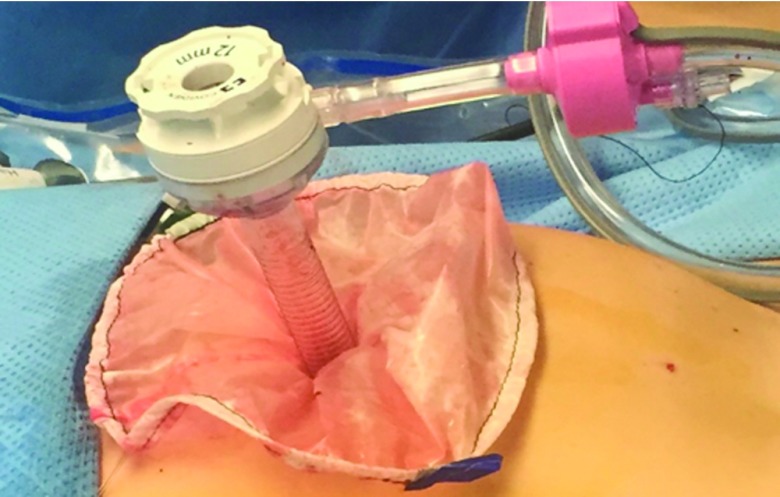
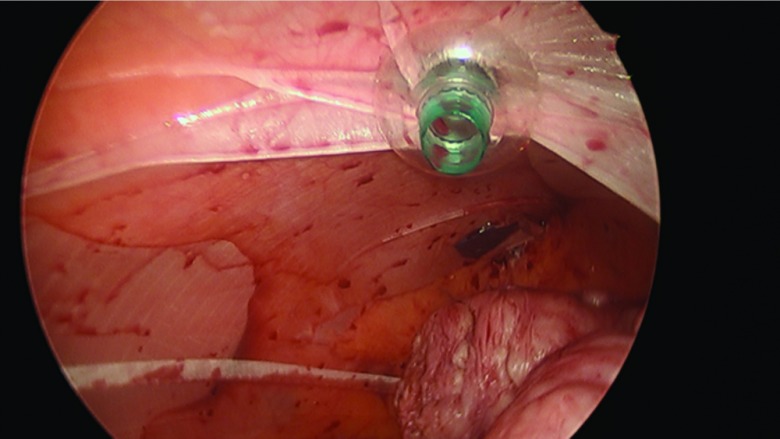
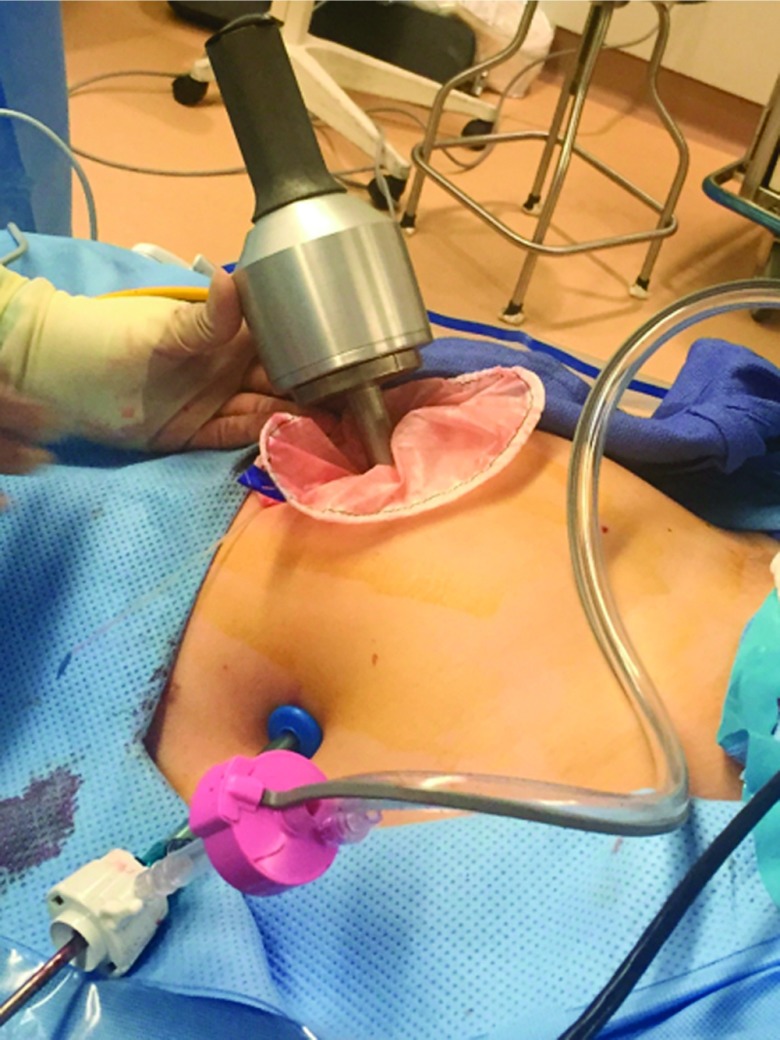
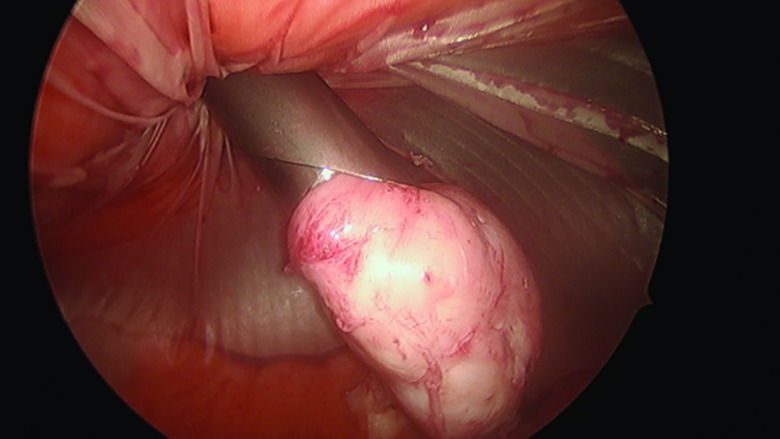
Background and objectives: The well-known advantages of minimally invasive surgery make the approach well suited for hysterectomy and other gynecological procedures. The removal of specimens excised during surgery has been a challenge that has been answered by the use of power morcellation. With this study we sought to assess the feasibility of power morcellation within a specimen bag.
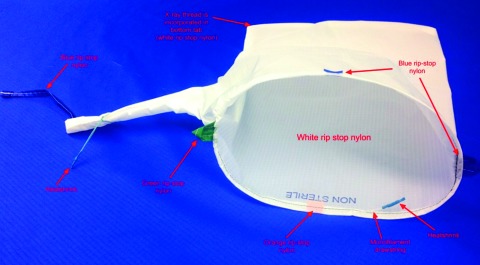
Methods: This was a retrospective cohort study including patients from a private practice in suburban Chicago, Illinois, who underwent contained electromechanical power morcellation during a laparoscopic or robot-assisted hysterectomy or myomectomy from May 2014 through December 2015. Contained power morcellation was performed with the Espiner EcoSac 230 (Espiner Medical Ltd., North Somerset, United Kingdom) specimen bag. Descriptive statistics were performed for both categorical and continuous data.
Results: Of the 187 procedures performed, 73.8% were myomectomies, and 26.2% were hysterectomies. The patients' mean age was 40 (range, 25-54) years and mean body mass index was 28.7 (range, 17.3-57.6). The average specimen weight was 300 g, with the largest weighing 2134 g. Estimated blood loss averaged 98.4 mL. The postoperative admission rate was 12.3%, most of which were due to nausea and urinary retention. Seventeen patients (9.1%) had postoperative complications, most of which were minor, and 4 (2.1%) were readmitted. There were no bag failures or complications that were due to the use of the specimen bag or to power morcellation.
Conclusions: Performing electromechanical power morcellation within the Espiner EcoSac 230 specimen bag was successfully performed in 187 patients with no bag-related complications. This method of contained power morcellation is feasible, reliable, and reproducible, even for a large specimen.
Keywords: Contained morcellation; Leiomyosarcoma; Morcellation; Uterine morcellation.
Figures

References
-
- Nieboer TE, Johnson N, Lethaby A, et al. Surgical approach to hysterectomy for benign gynaecological disease. Cochrane Database System Rev. 2009;3. - PubMed
-
- Whiteman MK, Hillis SD, Jamieson DJ, et al. Inpatient hysterectomy surveillance in the United States, 2000–2004. Am J Obstet Gynecol. 2008;198:34.e1–34.e7. - PubMed
-
- American College of Obstetrics and Gynecology. Choosing the route of hysterectomy for benign disease. ACOG Committee Opinion Number 444, November 2009 Albany, NY: ACOG. - PubMed
-
- Semm K. Morcellement and suturing using pelviscopy: not a problem any more [in German]. Geburtshilfe Frauenheilkd. 1991;51:843–846. - PubMed
-
- Steiner RA, Wight E, Tadir Y, Haller U. Electrical cutting device for laparoscopic removal of tissue from the abdominal cavity. Obstet Gynecol. 1993;81:471–474. - PubMed
MeSH terms
LinkOut - more resources
Full Text Sources
Other Literature Sources
Medical