


Prevention of krait bites by sleeping above ground: preliminary results from an observational pilot study
- PMID: 28352289
- PMCID: PMC5368888
- DOI: 10.1186/s12995-017-0156-7
Prevention of krait bites by sleeping above ground: preliminary results from an observational pilot study
Abstract
Introduction: Neurotoxic envenoming following the bites of kraits (Bungarus spp.) is a common cause of death in the dry zone of Sri Lanka and elsewhere in South Asia. Most of these bites occur at night and are inflicted on people sleeping on the ground. Thus we hypothesized that the simple measure of sleeping above ground would help to reduce the number of observed krait bites.
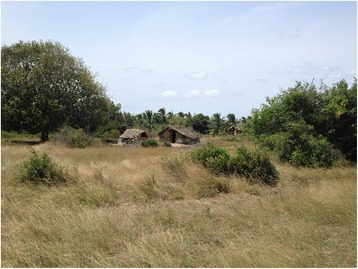
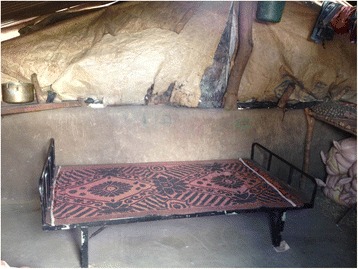
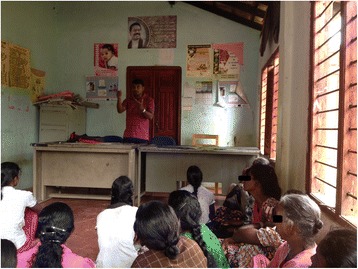
Methods: This study was conducted in two villages of the Kilinochchi district of Sri Lanka which had reported a high number of krait bites in the two years preceding the study. Most of the residents in these two villages slept on the ground. Residents in one area were given beds free of charge, using funds available from the study. Both villages received health education on the prevention of krait bites.
Results: Forty five beds were distributed to 45 families in one village. This enabled 115 individuals to sleep above ground level. 6 monthly follow up visits were conducted ensuring the proper utilization of beds. Follow up was continued for 30 months (September 2013-March 2016); during this time period no krait bites were reported in either area.
Conclusions: We observed a dramatic decline of krait bites in both villages. Better awareness with effective health education and clearing of vegetation could have led to the decline in the number of krait bites in both villages.
Keywords: Krait bites; Poverty; Prevention; Snakebite; Sri Lanka.
Figures
References
-
- Kasturiratne A, Wickremasinghe AR, de Silva N, Gunawardena NK, Pathmeswaran A, Premaratna R, Savioli L, Lalloo DG, de Silva HJ. The global burden of snakebite: a literature analysis and modelling based on regional estimates of envenoming and deaths. PLoS Med. 2008;5(11):e218. doi: 10.1371/journal.pmed.0050218. - DOI - PMC - PubMed
-
- Ediriweera DS, Kasturiratne A, Pathmeswaran A, Gunawardena NK, Wijayawickrama BA, Jayamanne SF, Isbister GK, Dawson A, Giorgi E, Diggle PJ, et al. Mapping the risk of snakebite in Sri Lanka - a national survey with geospatial analysis. PLoS Negl Trop Dis. 2016;10(7):e0004813. doi: 10.1371/journal.pntd.0004813. - DOI - PMC - PubMed
-
- Ariaratnam CA, Sheriff MH, Arambepola C, Theakston RD, Warrell DA. Syndromic approach to treatment of snake bite in Sri Lanka based on results of a prospective national hospital-based survey of patients envenomed by identified snakes. Am J Trop Med Hyg. 2009;81(4):725–731. doi: 10.4269/ajtmh.2009.09-0225. - DOI - PubMed
-
- Ariaratnam CA, Sheriff MH, Theakston RD, Warrell DA. Distinctive epidemiologic and clinical features of common krait (Bungarus caeruleus) bites in Sri Lanka. Am J Trop Med Hyg. 2008;79(3):458–462. - PubMed
Publication types
LinkOut - more resources
Full Text Sources
Other Literature Sources
Miscellaneous
