


Coronary flow capacity: concept, promises, and challenges
- PMID: 28353034
- PMCID: PMC5489577
- DOI: 10.1007/s10554-017-1125-z
Coronary flow capacity: concept, promises, and challenges
Abstract
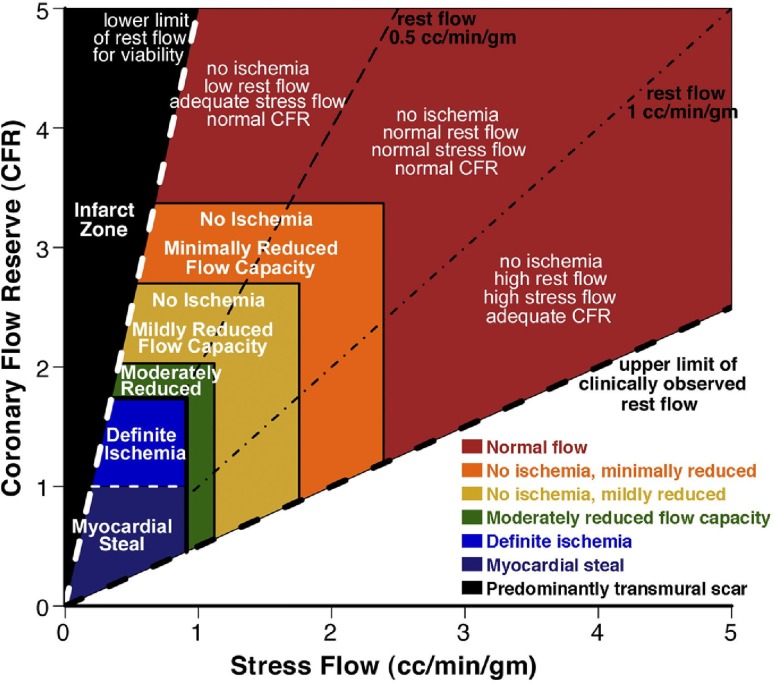
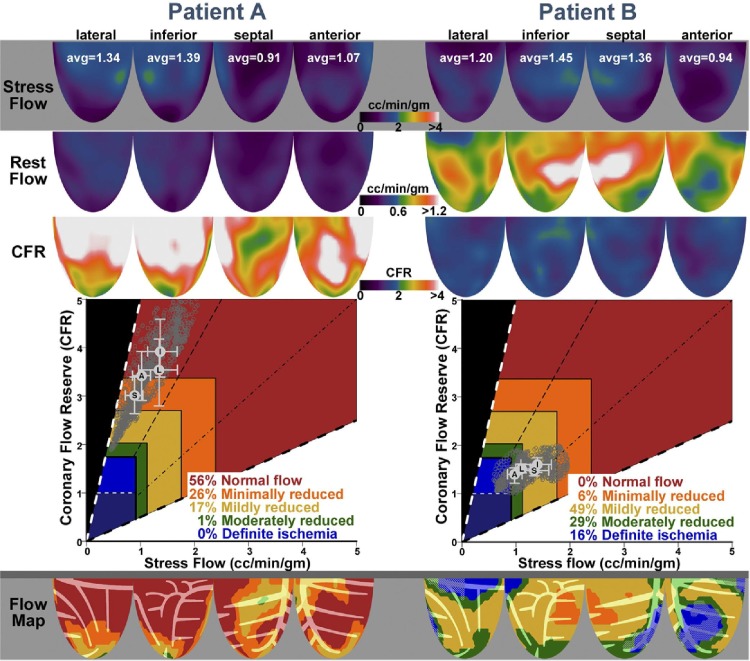
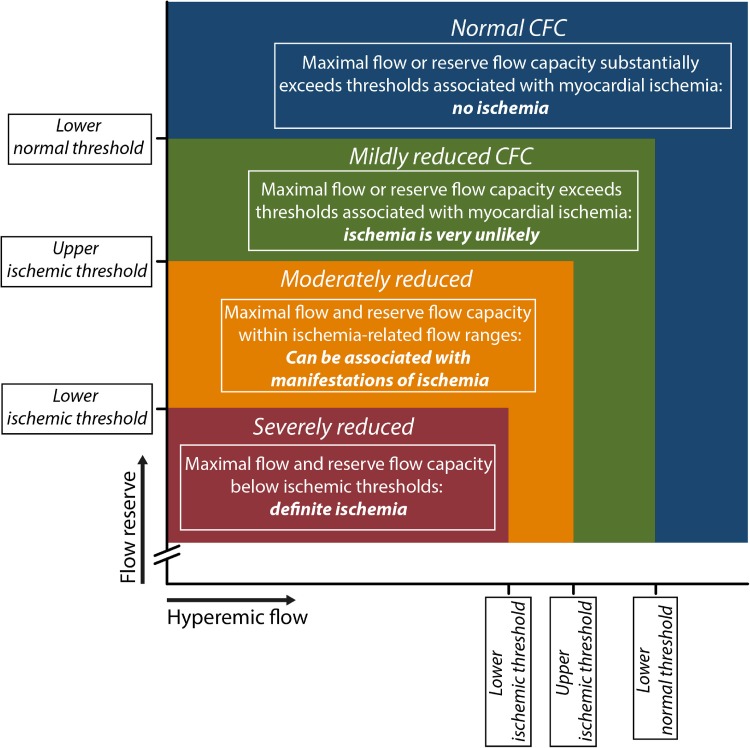
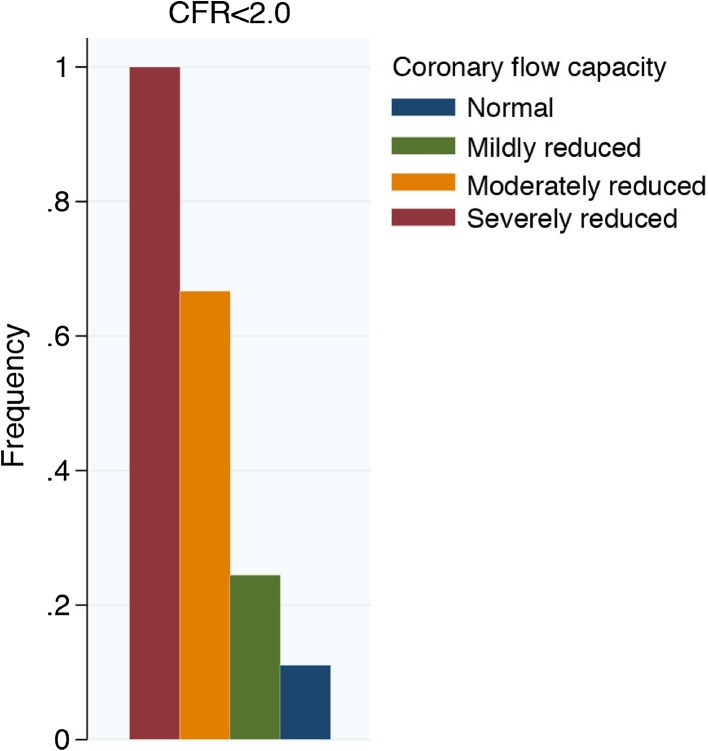
The vasodilator capacity of the coronary circulation is an important diagnostic and prognostic characteristic, and its accurate assessment is therefore an important frontier. The coronary flow capacity (CFC) concept was introduced to overcome the limitations associated with the use of coronary flow reserve (CFR) for this purpose, which are related to the sensitivity of CFR to physiological alterations in systemic and coronary hemodynamics. CFC was developed from positron emission tomography, and was subsequently extrapolated to invasive coronary physiology. These studies suggest that CFC is a robust framework for the identification of clinically relevant coronary flow abnormalities, and improves identification of patients at risk for adverse events over the use of CFR alone. This Review will discuss the concept of CFC, its promises in the setting of ischaemic heart disease, and its challenges both in theoretical and practical terms.
Keywords: Coronary flow; Coronary flow capacity; Coronary flow reserve; Vasodilator reserve capacity.
Conflict of interest statement
Conflict of interest
TPH, ME, JE, and JJP have served as speakers at educational events organized by St Jude Medical, Boston Scientific, and/or Philips-Volcano, manufacturers of sensor-equipped guidewires.
Ethical approval
This article does not contain any studies with human participants performed by any of the authors.
Figures
References
-
- Taqueti VR, Hachamovitch R, Murthy VL, et al. Global coronary flow reserve is associated with adverse cardiovascular events independently of luminal angiographic severity and modifies the effect of early revascularization. Circulation. 2015;131:19–27. doi: 10.1161/CIRCULATIONAHA.114.011939. - DOI - PMC - PubMed
Publication types
MeSH terms
LinkOut - more resources
Full Text Sources
Other Literature Sources
Medical
