


Zinc and Oxidative Stress: Current Mechanisms
- PMID: 28353636
- PMCID: PMC5488004
- DOI: 10.3390/antiox6020024
Zinc and Oxidative Stress: Current Mechanisms
Abstract
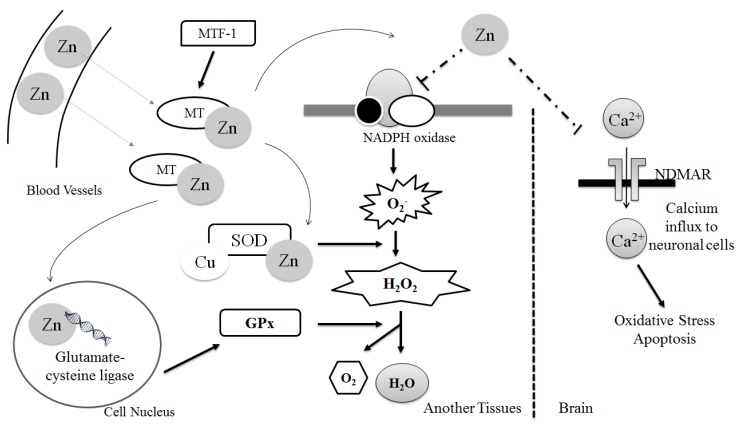
Oxidative stress is a metabolic dysfunction that favors the oxidation of biomolecules, contributing to the oxidative damage of cells and tissues. This consequently contributes to the development of several chronic diseases. In particular, zinc is one of the most relevant minerals to human health, because of its antioxidant properties. This review aims to provide updated information about the mechanisms involved in the protective role of zinc against oxidative stress. Zinc acts as a co-factor for important enzymes involved in the proper functioning of the antioxidant defense system. In addition, zinc protects cells against oxidative damage, acts in the stabilization of membranes and inhibits the enzyme nicotinamide adenine dinucleotide phosphate oxidase (NADPH-Oxidase). Zinc also induces the synthesis of metallothioneins, which are proteins effective in reducing hydroxyl radicals and sequestering reactive oxygen species (ROS) produced in stressful situations, such as in type 2 diabetes, obesity and cancer. Literature provides strong evidence for the role of zinc in the protection against oxidative stress in several diseases.
Keywords: mechanisms; oxidative stress; zinc.
Conflict of interest statement
The authors declare no conflict of interest.
Figures
References
Publication types
LinkOut - more resources
Full Text Sources
Other Literature Sources
