Review
. 2017 May 19;12(5):1170-1182.
doi: 10.1021/acschembio.7b00237. Epub 2017 Apr 10.

Membrane Oxidation in Cell Delivery and Cell Killing Applications

Affiliations
Review

Membrane Oxidation in Cell Delivery and Cell Killing Applications

Ting-Yi Wang et al. ACS Chem Biol. .

Abstract

Cell delivery or cell killing processes often involve the crossing or disruption of cellular membranes. We review how, by modifying the composition and properties of membranes, membrane oxidation can be exploited to enhance the delivery of macromolecular cargoes into live human cells. We also describe how membrane oxidation can be utilized to achieve efficient killing of bacteria by antimicrobial peptides. Finally, we present recent evidence highlighting how membrane oxidation is intimately engaged in natural biological processes such as antigen delivery in dendritic cells and in the killing of bacteria by antimicrobial peptides. Overall, the insights that have been recently gained in this area should facilitate the development of more effective delivery technologies and antimicrobial therapeutic approaches.


Conflict of interest statement

Conflict of interest

The authors declare that they have no conflicts of interest with the contents of this article.

Figures
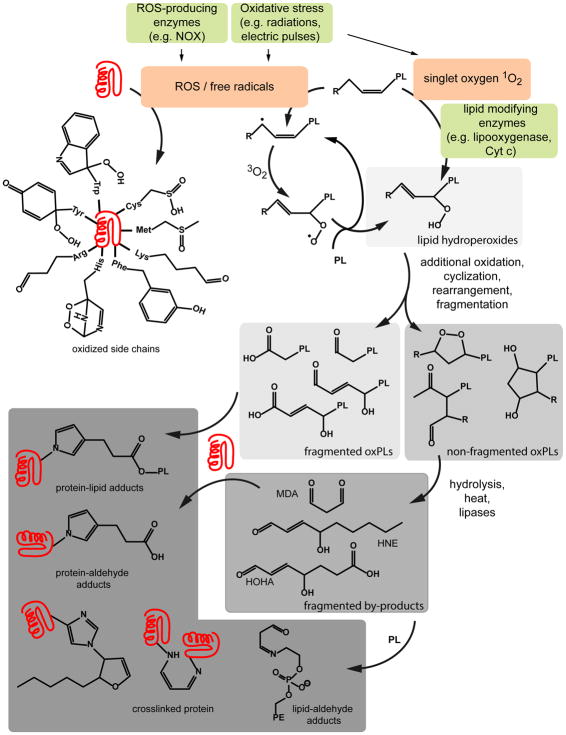
Figure 1
Figure 1. Examples of the chemical reactions and lipid or protein products potentially generated during membrane oxidation
ROS generated in the vicinity of the membrane can target the fatty acyl chain or the head group of phospholipids, or the side chains of membrane proteins leading to a plethora of new functionality in the bilayer. The most prominent reaction is the self-propagating peroxidation of lipid unsaturations (in the figure, the structure of phospholipids is simplified, with PL= phospholipid, R= a fatty acid chain, one fatty acid unsaturation is shown but several can be present, as in the case of PUFAs). The lipid hydroperoxides formed in this reaction can in turn generate cyclic, truncated, or fragmented oxidized lipids (OxPLs) (MDA, malonyldialdehyde; HNE, hydroxynonenal; HOHA, 4-hydroxy-7-oxo-5-heptenoic acid). Cellular nucleophiles, including protein side chains and the polar head of certain lipids (e.g. phosphatidyl ethanol amine, PE) can react with some of these oxidized products, further increasing the diversity and complexity of the species present.
Figure 2
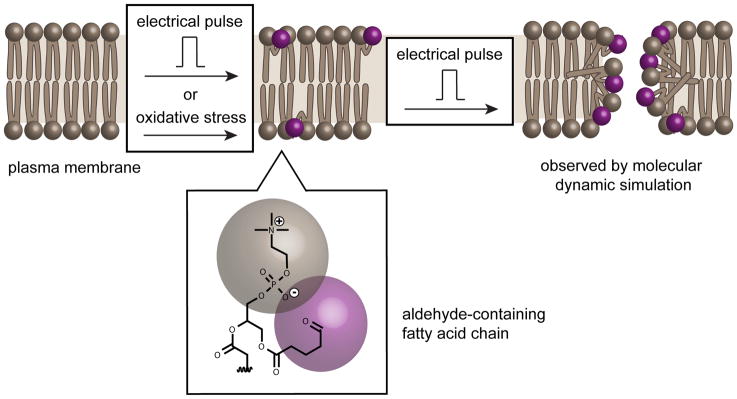
Figure 2. Electroporation induces and targets oxidized lipids at the cell membrane
Externally applied electric pulse as well as environmental oxidative stress can generate a variety of oxidized lipids, including aldehyde-containing species. Molecular dynamic simulations have suggested that additional electric pulsing leads these oxidized species to preferentially form pores within the lipid bilayer. Electroporation may therefore involve of a mechanism where oxidized lipids are both generated and directly utilized for permeation.
Figure 3
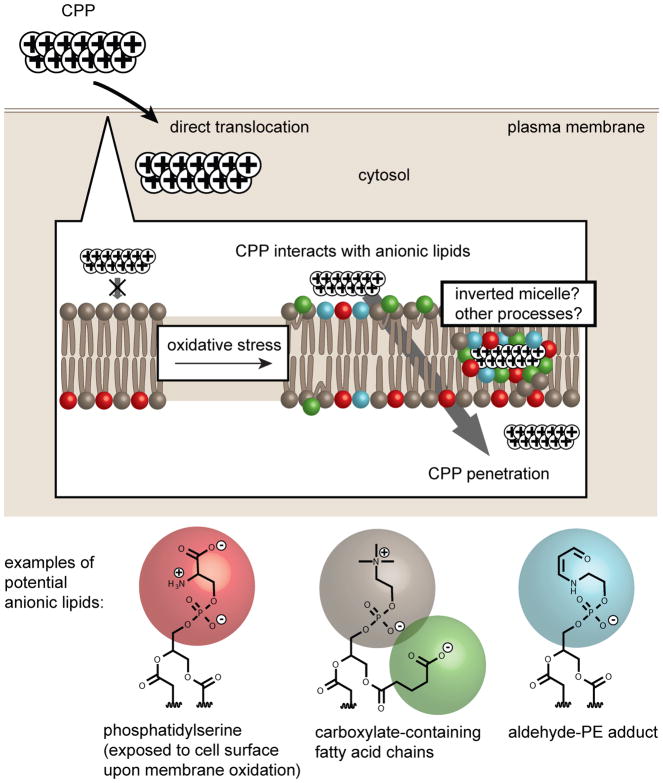
Figure 3. Oxidation-mediated plasma membrane translocation of CPP
The CPP, rich in arginine residues, is cationic at physiological pH and is presented as a string of positive charges. In the absence of oxidative stress, the CPP displays no apparent membrane penetration. In contrast, oxidative stress leads to membrane damage and exposure of anionic lipids. This, in turn, enhances the recruitment of the peptide at the bilayer. The formation of inverted micelles between cationic CPP and the anionic lipids that may enable cell penetration has been speculated. However, this mechanism has not been formally demonstrated and other processes may be involved. Examples of anionic oxidized lipids potentially involved in CPP recruitment and penetration are presented.
Figure 4
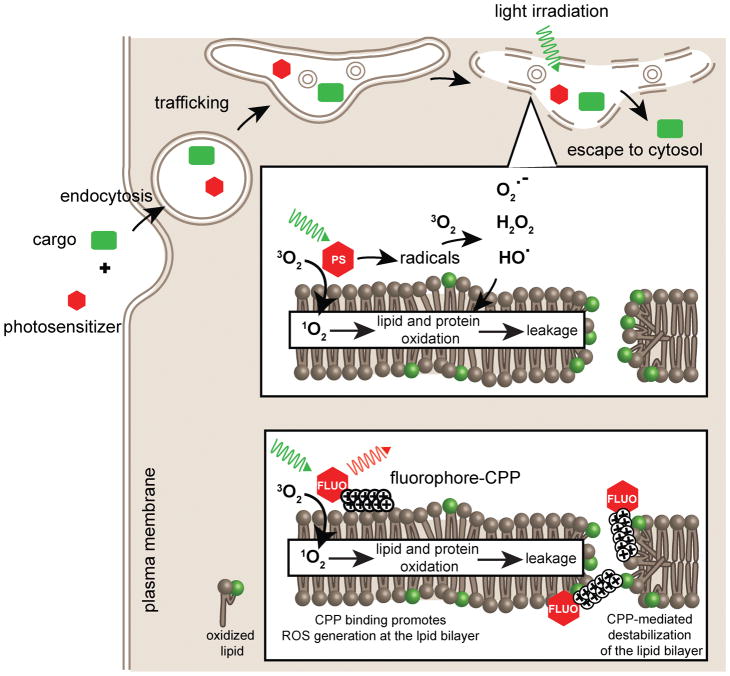
Figure 4. Intracellular cargo delivery by PCI and light-triggered endosomal release
A photosensitizer and a macromolecular cargo incubated with live cells through endocytic uptake followed by endosomal escape. Both the photosensitizer and cargo traffick along the endocytic pathway. Upon irradiating the photosensitizer, ROS are generated and the membrane of endocytic organelles is oxidized. Oxidation leads to membrane rupture and leakage of the cargo into the cytosol. To maximize the selective disruption of endosomal membranes (i.e. minimize cell death by plasma membrane disruption), the PCI process can be mediated by photosensitizers that are relatively hydrophilic or by fluorophore-CPP conjugates. In the latter case, the CPP is thought to target the ROS-generating fluorophore to the endosomal membrane and enhance the generation of ROS in the close vicinity of the lipid bilayer. In addition, the CPP interacts with oxidized species to facilitate membrane leakage.
Figure 5
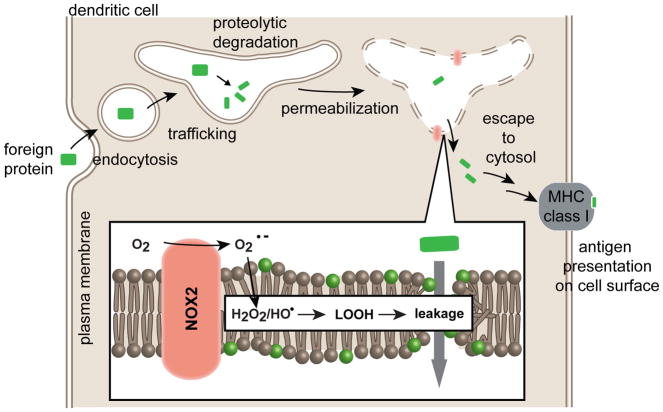
Figure 5. Cytosolic delivery of antigens in dendritic cells
An exogenous protein is endocytosed by dentritic cells. The internalized protein is degraded by endosomal proteases. Upon activation, NOX2, a NADPH oxidase complex present at the membrane of endosomes, generates superoxide anion (O2•−). Hydrogen peroxide (H2O2) and hydroxyl radical (OH) are subsequently formed in the lumen of endosomes. These ROS lead to formation of lipid hydroperoxides (LOOH). Lipid peroxidation is propagated within the lipid bilayer and damage ultimately leads to membrane rupture and leakage of the protein fragments into the cytosol of cells. The intracellular protein fragments may be further degraded by the proteasome and are eventually exposed on the plasma membrane for presentation by MHC class I receptors.
Figure 6
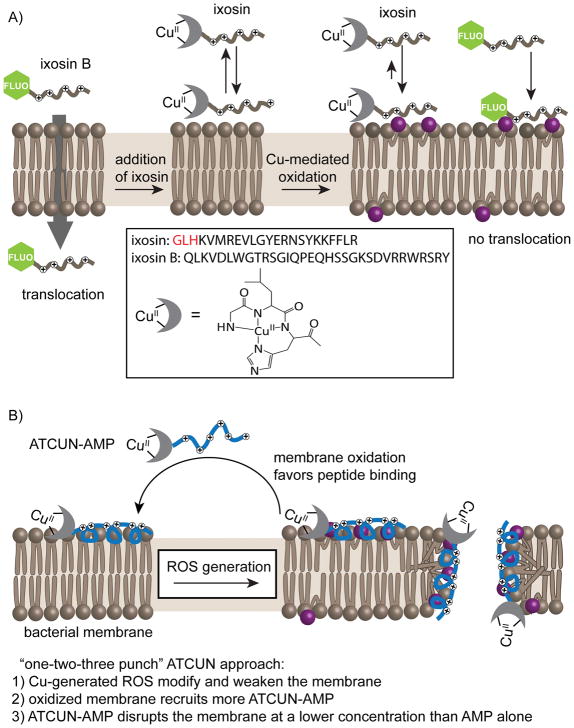
Figure 6. Inactivation of bacteria by ATCUN-AMP mediated membrane oxidation
A) Model for the synergistic behavior between the tick salivary gland peptides ixosin and ixosin B. By itself, Ixosin B can cross E. coli outer and inner membranes and localize in the cytosolic space. However, when co-incubated with ixosin, ixosin B changes its localization and is observed to interact with the membrane. The change in localization is due to the oxidation of the bacterial membrane by ixosin, which contains a copper binding motif (shown in red in the peptide sequence) capable of generating oxidizing species. Overall, ixosin and ixosin B work in synergy to kill bacteria by membrane lysis. B) Appending Amino Terminal Copper and Nickel (ATCUN) binding motifs to AMP increases bactericidal activities. Once bound to copper ions, ATCUN-AMP produces reactive oxygen species that target the bacterial membrane. In turn, oxidation of the membrane causes the recruitment of more ATCUN-AMP, thereby generating a forward loop. Membrane lysis is then achieved by the combined effect of oxidized membrane components and of the AMP moiety. While the AMP can cause membrane lysis in the absence of oxidation, addition of the ATCUN sequence leads to a reduction in minimum inhibitory concentration.
Figure 7
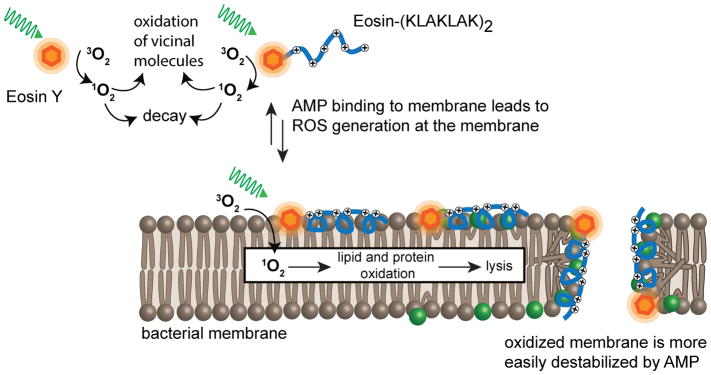
Figure 7. Bacterial photo-inactivation by an AMP-photosensitizer conjugate
The hydrophilic photosensitizer eosin Y generates ROS, including singlet oxygen, when irradiated with green light. By itself, eosin Y is relatively innocuous because it does not associate with bacterial cell walls. In contrast, eosin Y conjugated to the antimicrobial peptide (KLAKLAK)2 kills Gram negative and Gram positive bacteria effectively. The amphiphilic peptide moiety binds to bacterial membranes and promotes ROS generation in the vicinity of lipid bilayers. The bacterial membranes are destabilized by oxidation of membrane components and by action of the peptide. Overall, a synergistic relationship exists: the AMP renders the photosensitizer more effective at oxidizing membranes while the photosensitizer facilitates AMP-mediated membrane lysis.

References

    1. Stewart MP, Sharei A, Ding X, Sahay G, Langer R, Jensen KF. In vitro and ex vivo strategies for intracellular delivery. Nature. 2016;538:183–192. - PubMed
    1. Lewis K. Platforms for antibiotic discovery. Nat Rev Drug Discov. 2013;12:371–387. - PubMed
    1. Halliwell B. Cell culture, oxidative stress, and antioxidants: avoiding pitfalls. Biomedical journal. 2014;37:99–105. - PubMed
    1. Reis A, Spickett CM. Chemistry of phospholipid oxidation. Biochimica et biophysica acta. 2012;1818:2374–2387. - PubMed
    1. Davies MJ. Protein oxidation and peroxidation. The Biochemical journal. 2016;473:805–825. - PMC - PubMed

Publication types

MeSH terms

LinkOut - more resources