Acute juvenile Paracoccidioidomycosis: A 9-year cohort study in the endemic area of Rio de Janeiro, Brazil
- PMID: 28355221
- PMCID: PMC5386294
- DOI: 10.1371/journal.pntd.0005500
Acute juvenile Paracoccidioidomycosis: A 9-year cohort study in the endemic area of Rio de Janeiro, Brazil
Abstract
Background: Paracoccidioidomycosis (PCM) is a systemic mycosis caused by pathogenic dimorphic fungi of the genus Paracoccidioides. It is the most important systemic mycosis in Latin America and the leading cause of hospitalizations and death among them in Brazil. Acute PCM is less frequent but relevant because vulnerable young patients are affected and the severity is usually higher than that of the chronic type.
Methods: The authors performed a retrospective cohort study from 2001 to 2009 including acute juvenile PCM patients from a reference center in Rio de Janeiro, Brazil. Clinical, epidemiological, diagnostic, therapeutic, and prognostic data were reported.
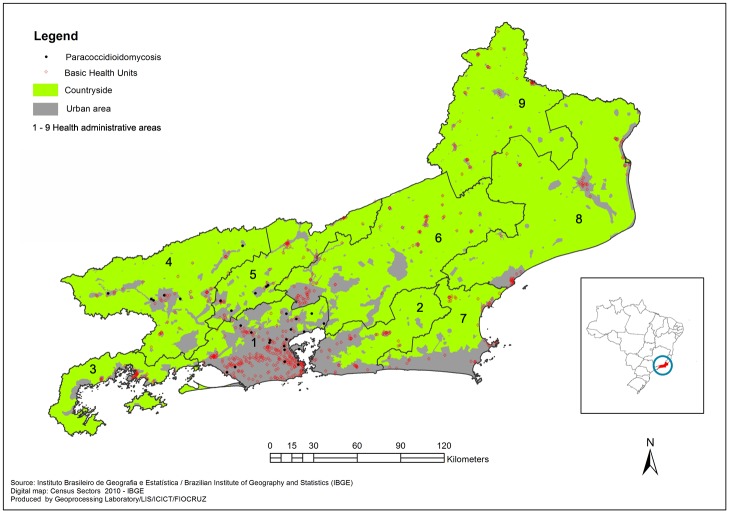
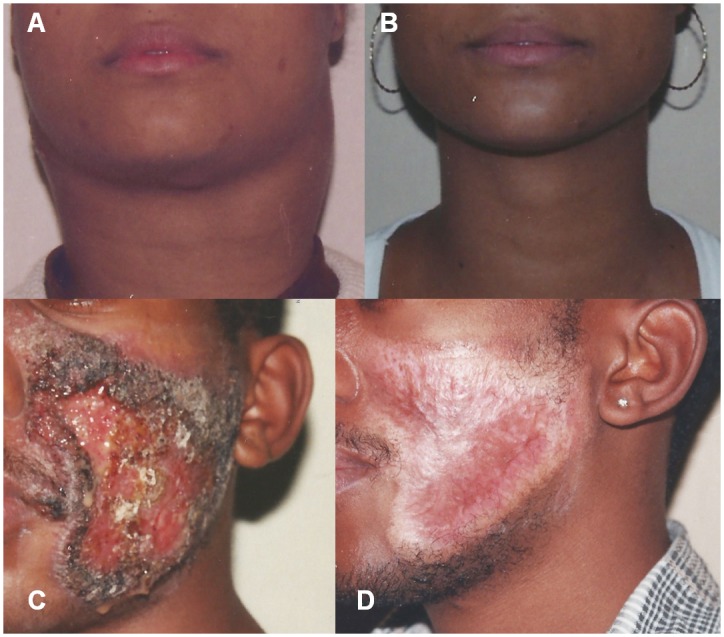
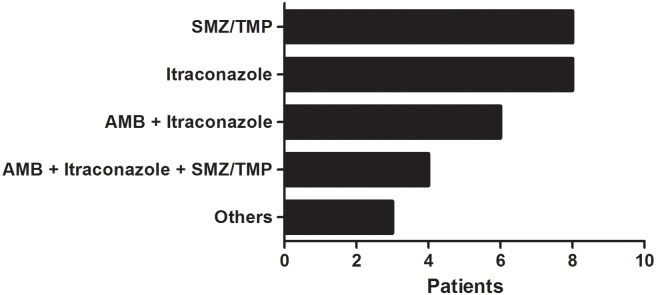
Results: Twenty-nine patients were included. The average age was 23 years old and the male to female ratio was 1:1.07. All cases were referred from 3 of 9 existing health areas in the state of Rio de Janeiro, predominantly from urban areas (96.5%). Lymph nodes were the most affected organs (100%), followed by the skin and the spleen (31% each). Twenty-eight patients completed treatment (median 25 months) and progressed to clinical and serological cure; 1 death occurred. Twenty-four patients completed 48-month median follow-up. Four patients abandoned follow-up after the end of treatment. The most frequent sequela was low adrenal reserve. Paracoccidioides brasiliensis S1 was identified by partial sequencing of the arf and gp43 genes from 4 patients who presented a viable fungal culture.
Conclusion: Acute juvenile PCM is a severe disease with a high rate of complications. There are few cohort clinical studies of acute PCM in the literature. More studies should be developed to promote improvement in patients' healthcare.
Conflict of interest statement
The authors have declared that no competing interests exist.
Figures
References
-
- Coutinho ZF, Silva Dd, Lazera M, Petri V, Oliveira RM, et al. (2002) Paracoccidioidomycosis mortality in Brazil (1980–1995). Cad Saude Publica 18(5): 1441–1454. - PubMed
-
- Prado M, Silva MB, Laurenti R, Travassos LR, Taborda CP. (2009) Mortality due to systemic mycoses as a primary cause of death or in association with AIDS in Brazil: a review from 1996 to 2006. Mem Inst Oswaldo Cruz 104(3): 513–521. - PubMed
MeSH terms
Substances
LinkOut - more resources
Full Text Sources
Other Literature Sources