Multicenter Study
. 2017 Mar 29;12(3):e0174547.
doi: 10.1371/journal.pone.0174547. eCollection 2017.

The usefulness of monomeric periostin as a biomarker for idiopathic pulmonary fibrosis

Affiliations
Multicenter Study

The usefulness of monomeric periostin as a biomarker for idiopathic pulmonary fibrosis

Shoichiro Ohta et al. PLoS One. .

Abstract

The natural course of idiopathic pulmonary fibrosis (IPF) is variable. Predicting disease progression and survival in IPF is important for treatment. We previously demonstrated that serum periostin has the potential to be a prognostic biomarker for IPF. Our aim was to use monomeric periostin in a multicenter study to evaluate its efficacy in diagnosing IPF and predicting its progression. To do so, we developed a new periostin kit to detect only monomeric periostin. The subjects consisted of 60 IPF patients in a multicenter cohort study. We applied monomeric periostin, total periostin detected by a conventional kit, and the conventional biomarkers-KL-6, SP-D, and LDH-to diagnose IPF and to predict its short-term progression as estimated by short-term changes of %VC and % DL, CO. Moreover, we compared the fraction ratios of monomeric periostin to total periostin in IPF with those in other periostin-high diseases: atopic dermatitis, systemic scleroderma, and asthma. Monomeric periostin showed the greatest ability to identify IPF comparable with KL-6 and SP-D. Both monomeric and total periostin were well correlated with the decline of %VC and % DL, CO. Clustering of IPF patients into high and low periostin groups proved useful for predicting the short-term progression of IPF. Moreover, the relative ratio of monomeric periostin was higher in IPF than in other periostin-high diseases. Measuring monomeric periostin is useful for diagnosing IPF and predicting its short-term progression. Moreover, the ratio of monomeric periostin to total periostin is elevated in IPF compared to other periostin-high diseases.


Conflict of interest statement

Competing Interests: KI received grant funding from Shino-Test Corporation. JO, A. Kamei, and YA are employees of Shino-Test Corporation. Shino-Test Corporation does not alter our adherence to PLOS ONE policies on sharing data and materials.

Figures

Fig 1
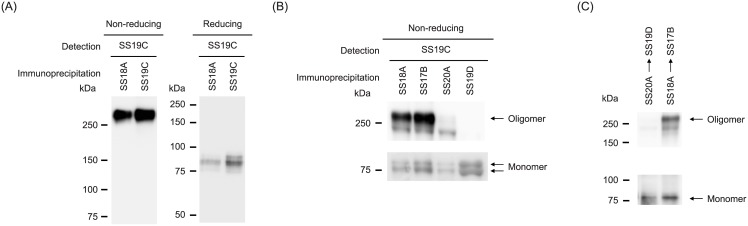
Fig 1. Characterization of the new periostin ELISA kit.
(A) Periostin in serum was immunoprecipitated by SS18A or SS19C and detected by SS19C in non-reduced (left panel) or reduced (right panel) conditions. (B) Periostin in serum was immunoprecipitated by SS18A, SS17B, SS20A, or SS19D, respectively, and detected by SS19C in non-reduced conditions. (C) Serial immunoprecipitation of periostin by SS20A followed by SS19D (left lane) or by SS18A followed by SS17B (right lane), respectively, in non-reducing conditions.
Fig 2
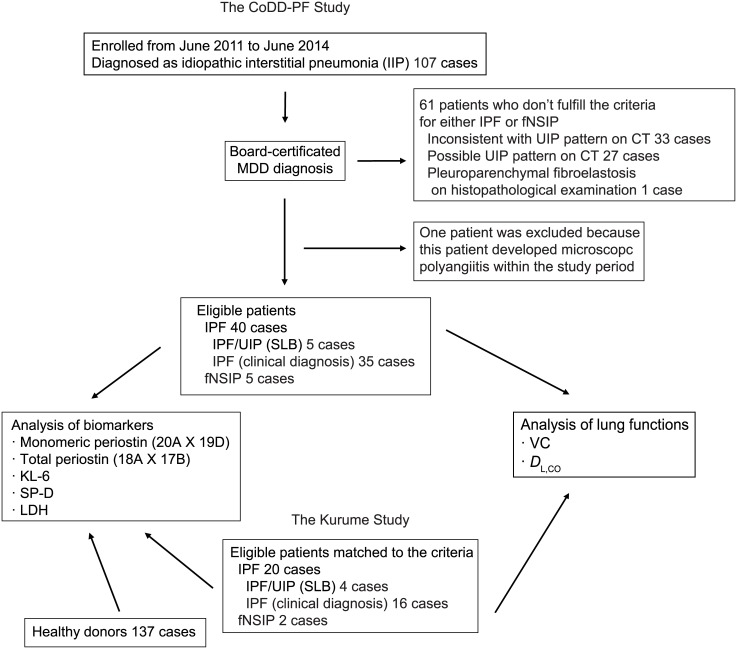
Fig 2. Selection of patients with IPF or fNSIP.
The chart shows selection of patients with IPF or fNSIP. In the CoDD-PF study, 40 IPF patients and five fNSIP patients were selected from 107 enrolled patients. In the Kurume study, 20 IPF patients and two fNSIP patients were selected. In addition, 137 healthy donors were enrolled.
Fig 3
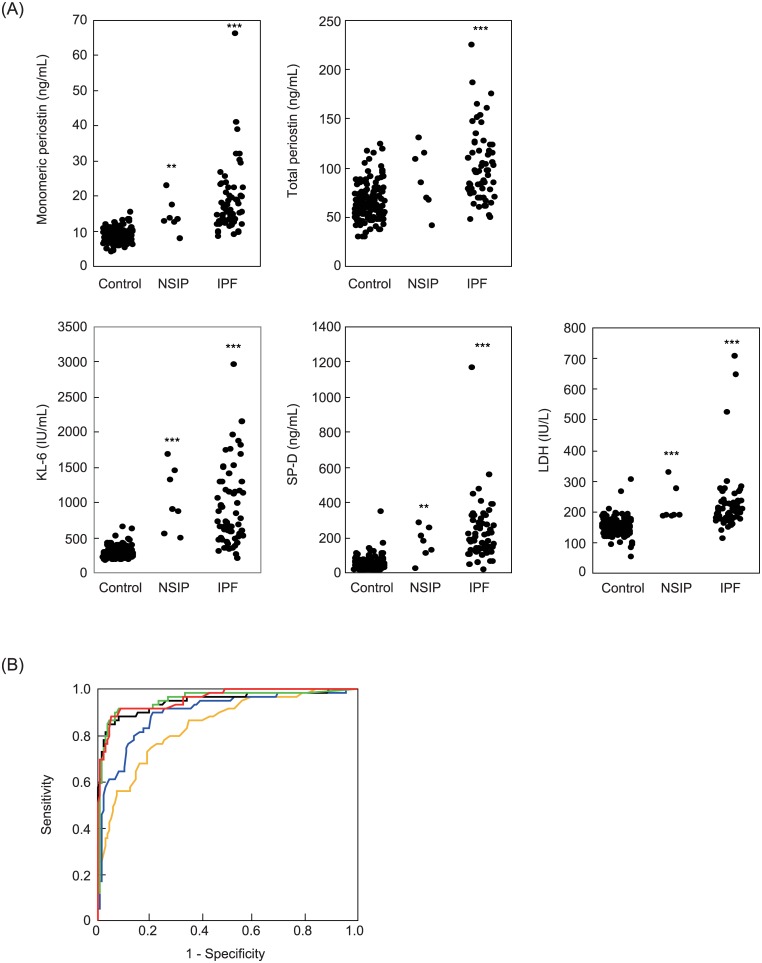
Fig 3. Abilities of each biomarker to diagnose IPF.
(A) Serum levels of each biomarker in IPF patients, fNSIP patients, and healthy donors. Serum levels of monomeric periostin, total periostin, KL-6, SP-D, and LDH in IPF patients (n = 60), fNSIP patients (n = 7) and control donors (n = 137). (B) ROC curve analysis of each biomarker between IPF patients and healthy donors. Monomeric periostin (red), total periostin (orange), KL-6 (black), SP-D (green), and LDH (blue) between IPF patients (n = 60) and healthy donors (n = 137). ***: p<0.001, **: p<0.01.
Fig 4
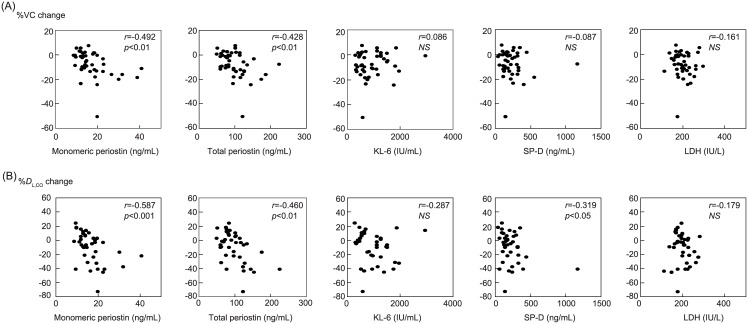
Fig 4. Ability of each biomarker to predict the short-term progression of IPF.
Correlations between monomeric periostin, total periostin, KL-6, SP-D or LDH and short-term change of %VC (A) or %DL, CO (B) in IPF patients (n = 44 for %VC and 39 for %DL, CO).
Fig 5
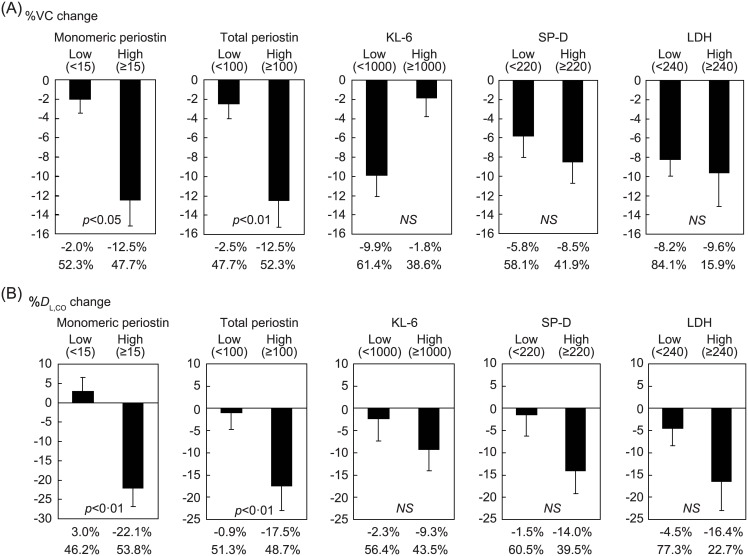
Fig 5. Effects of clustering IPF patients into high and low groups for each biomarker to predict the short-term progression of IPF.
IPF patients were clustered into high and low groups by the cut-off values of monomeric periostin (15.0 ng/mL), total periostin (100 ng/mL), KL-6 (1,000 IU/mL), SP-D (220 ng/mL) or LDH (240 IU/L). Short-term change of %VC (A, n = 44) or %DL, CO (B, n = 39) (upper) and proportion (down) in each high or low group is depicted.
Fig 6
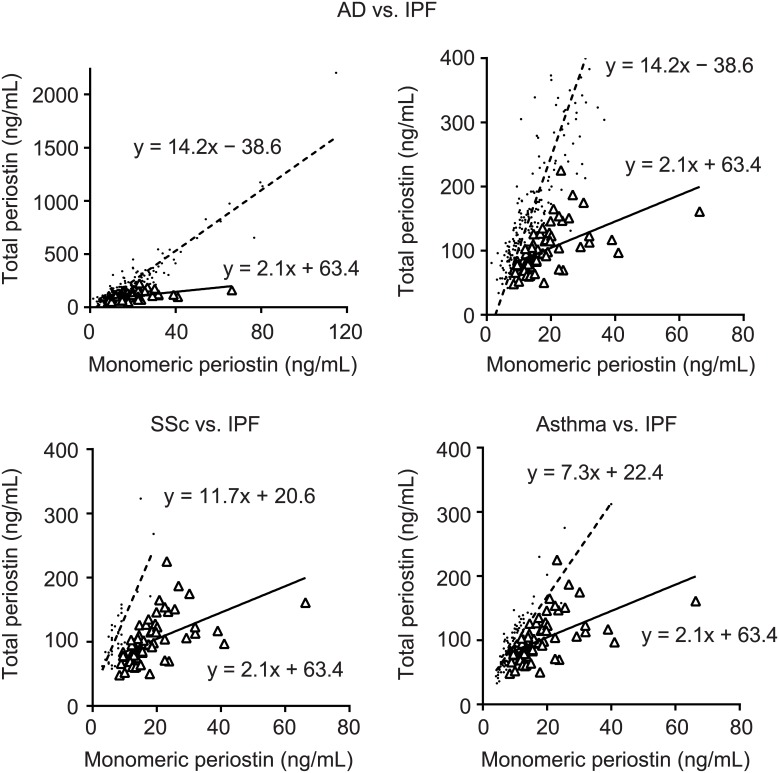
Fig 6. Comparison of the ratios of monomeric periostin in IPF and other high-periostin diseases.
The comparison between monomeric periostin and total periostin in IPF patients (n = 60, open triangle) and AD (upper, n = 224, dot), SSc (lower left, n = 37, dot), or asthma (lower right, n = 143, dot) patients is shown. All patients or low-range patients in AD are shown in upper left and right panels, respectively. The regression lines are inserted.

References

    1. Ley B, Collard HR, King TE Jr., Clinical course and prediction of survival in idiopathic pulmonary fibrosis. Am J Respir Crit Care Med. 2011;183: 431–40. 10.1164/rccm.201006-0894CI - DOI - PubMed
    1. Collard HR, King TE Jr., Bartelson BB, Vourlekis JS, Schwarz MI, Brown KK. Changes in clinical and physiologic variables predict survival in idiopathic pulmonary fibrosis. Am J Respir Crit Care Med. 2003;168: 538–42. 10.1164/rccm.200211-1311OC - DOI - PubMed
    1. Zappala CJ, Latsi PI, Nicholson AG, Colby TV, Cramer D, Renzoni EA, et al. Marginal decline in forced vital capacity is associated with a poor outcome in idiopathic pulmonary fibrosis. Eur Respir J. 2010;35: 830–6. 10.1183/09031936.00155108 - DOI - PubMed
    1. Takahashi H, Fujishima T, Koba H, Murakami S, Kurokawa K, Shibuya Y, et al. Serum surfactant proteins A and D as prognostic factors in idiopathic pulmonary fibrosis and their relationship to disease extent. Am J Respir Crit Care Med. 2000;162: 1109–14. 10.1164/ajrccm.162.3.9910080 - DOI - PubMed
    1. Greene KE, King TE Jr., Kuroki Y, Bucher-Bartelson B, Hunninghake GW, Newman LS, et al. Serum surfactant proteins-A and -D as biomarkers in idiopathic pulmonary fibrosis. Eur Respir J. 2002;19: 439–46. - PubMed

Publication types