


mHealth intervention to support asthma self-management in adolescents: the ADAPT study
- PMID: 28356720
- PMCID: PMC5360404
- DOI: 10.2147/PPA.S124615
mHealth intervention to support asthma self-management in adolescents: the ADAPT study
Abstract
Purpose: Poor medication adherence in adolescents with asthma results in poorly controlled disease and increased morbidity. The aim of the ADolescent Adherence Patient Tool (ADAPT) study is to develop an mHealth intervention to support self-management and to evaluate the effectiveness in improving medication adherence and asthma control.
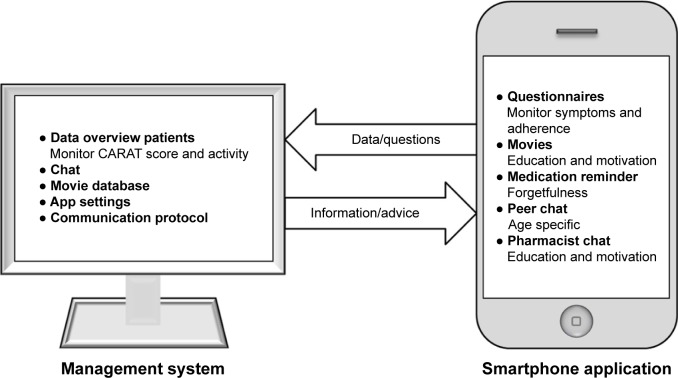
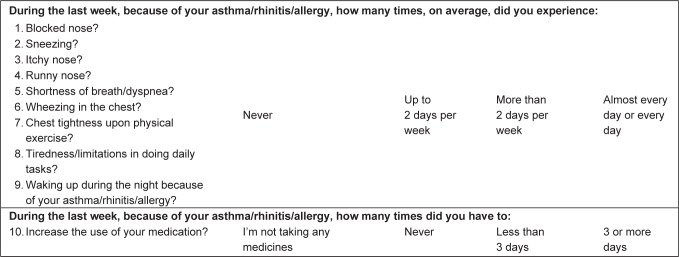
Intervention: The ADAPT intervention consists of an interactive smartphone application (app) connected to a desktop application for health care providers, in this study, the community pharmacist. The app contains several functions to improve adherence as follows: 1) a questionnaire function to rate asthma symptoms and monitor these over time; 2) short movie clips with medication and disease information; 3) a medication reminder; 4) a chat function with peers; and 5) a chat function with the pharmacist. The pharmacist receives data from the patient's app through the desktop application, which enables the pharmacist to send information and feedback to the patient.
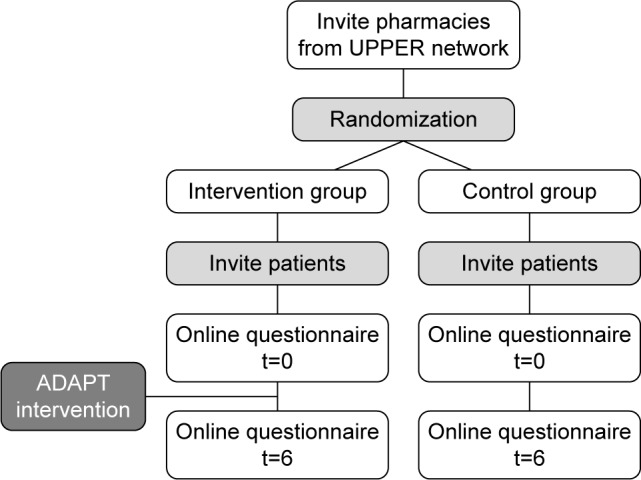
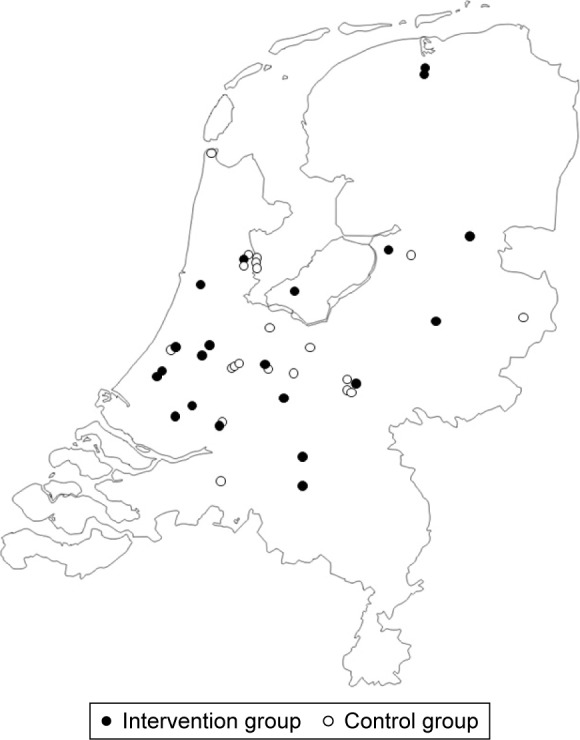
Study design: The ADAPT intervention is tested in a community pharmacy-based cluster randomized controlled trial in the Netherlands, aiming to include 352 adolescents with asthma. The main outcome is adherence, measured by patient's self-report and refill adherence calculated from pharmacy dispensing records. In addition, asthma control, illness perceptions, medication beliefs, and asthma-related quality of life are measured.
Conclusion: This study will provide in-depth knowledge on the effectiveness of an mHealth intervention to support asthma self-management in adolescents. These insights will also be useful for adolescents with other chronic diseases.
Keywords: adherence; adolescents; asthma; intervention; mHealth; pharmacist.
Conflict of interest statement
Disclosure The authors report no conflicts of interest in this work.
Figures
References
-
- Rand CS, Wise RA. Measuring adherence to asthma medication regimens. Am J Respir Crit Care Med. 1994;149(2 pt 2):S69–S76. - PubMed
-
- Desai M, Oppenheimer JJ. Medication adherence in the asthmatic child and adolescent. Curr Allergy Asthma Rep. 2011;11(6):454–464. - PubMed
-
- Mäkelä MJ, Backer V, Hedegaard M, Larsson K. Adherence to inhaled therapies, health outcomes and costs in patients with asthma and COPD. Respir Med. 2013;107(10):1481–1490. - PubMed
-
- Warschburger P, Busch S, Bauer CP, Kiosz D, Stachow R, Petermann F. Health-related quality of life in children and adolescents with asthma: results from the ESTAR study. J Asthma. 2004;41(4):463–470. - PubMed
-
- Haughney J, Price D, Kaplan A, et al. Achieving asthma control in practice: understanding the reasons for poor control. Respir Med. 2008;102(12):1681–1693. - PubMed
LinkOut - more resources
Full Text Sources
Other Literature Sources
