


A Single-blind, Split-face, Randomized, Pilot Study Comparing the Effects of Intradermal and Intramuscular Injection of Two Commercially Available Botulinum Toxin A Formulas to Reduce Signs of Facial Aging
- PMID: 28367260
- PMCID: PMC5367871
A Single-blind, Split-face, Randomized, Pilot Study Comparing the Effects of Intradermal and Intramuscular Injection of Two Commercially Available Botulinum Toxin A Formulas to Reduce Signs of Facial Aging
Abstract
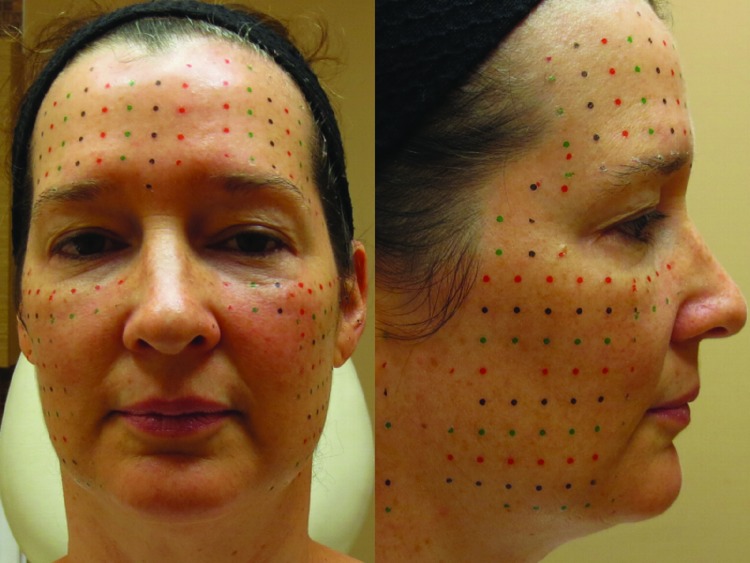
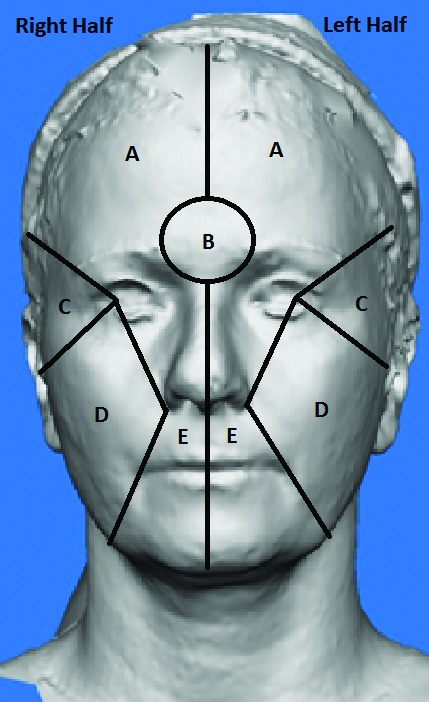
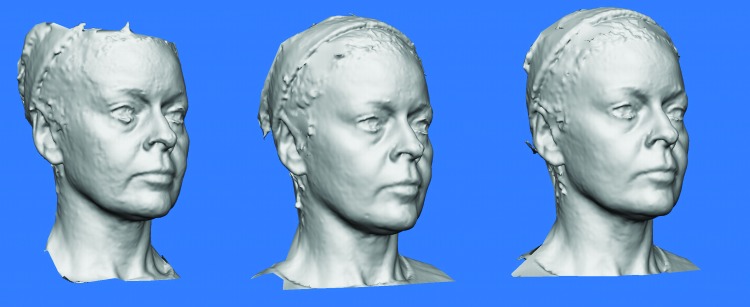
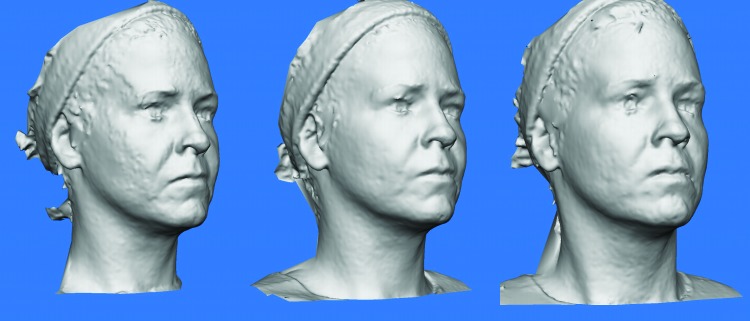
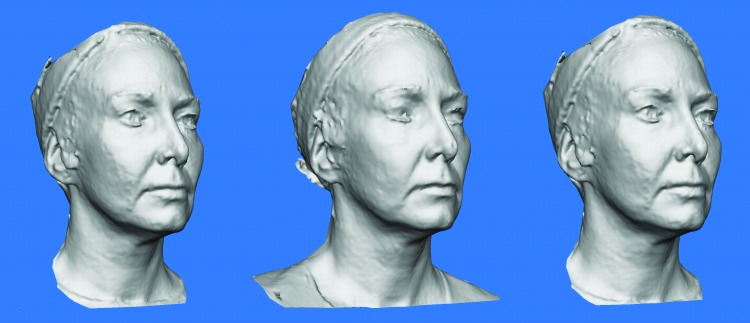
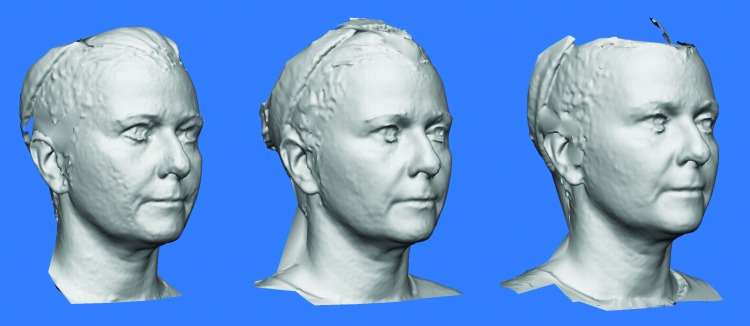
Objective: To examine the effectiveness of intradermal botulinum toxin type A injection in improving skin texture and midface lift while reducing pore size and sebum production, as well as investigate the differences in effectiveness between onabotulinumtoxinA and abobotulinumtoxinA using intradermal and intramuscular injection methods. Design: A 16-week, single-blind, split-face, randomized study. Each patient served as their own control, receiving onabotulinumtoxinA and abobotulinumtoxinA randomized to either the left or right side of the face. Patients received intradermal botulinum toxin type A injections at Week 0 and intramuscular botulinum toxin type A injections at Week 2. Participants: Ten women aged 35 to 65 years who exhibited static rhytids in the glabellar and periorbital area. Measurements: The primary endpoint was efficacy of split-face treatment of intradermal and intramuscular onabotulinumtoxinA and abobotulinumtoxinA as assessed by a blinded evaluator using baseline and post-treatment photographs. The secondary endpoints included safety as assessed by adverse events and patient satisfaction measured by questionnaires completed at baseline and post-treatment. Results: Intradermal injection of botulinum toxin type A led to a statistically significant improvement in skin texture (p=0.004) while also resulting in mild midface lift (p=0.024), but did not provide a significant reduction of pore size and sebum production. There was no statistically significant difference between onabotulinumtoxinA and abobotulinumtoxinA when injected intradermally or intramuscularly. Conclusion: Intradermal injection of botulinum toxin type A appears to be a safe and effective therapy that provides an improvement in facial skin texture and midface lift. Registry: clinicaltrials.gov (ID#: NCT02907268).
Figures
References
-
- The American Society for Aesthetic Plastic Surgery. Cosmetic Surgery National Data Bank Statistics. 2015. [Accessed June 23, 2016]. http://www.surgery.org/sites/default/files/ASAPS-Stats2015.pdf - PubMed
-
- Friedman O. Changes associated with the aging face. Facial Plast Surg Clin North Am. 2005;13:371–380. - PubMed
-
- Beer K, Beer J. Overview of facial aging. Facial Plast Surg. 2009;25(5):281–284. - PubMed
-
- Petchngaovilai C. Midface lifting with botulinum toxin: intradermal technique. J Cosmet Dermatol. 2009;8(4):312–316. - PubMed
-
- Koblenzer CS. Psychologic aspects of aging and the skin. Clin Dermatol. 1996;14(2):171–177. - PubMed
Associated data
LinkOut - more resources
Full Text Sources
Other Literature Sources
Medical