


Effects of Vitamin B6 Deficiency on the Composition and Functional Potential of T Cell Populations
- PMID: 28367454
- PMCID: PMC5358464
- DOI: 10.1155/2017/2197975
Effects of Vitamin B6 Deficiency on the Composition and Functional Potential of T Cell Populations
Abstract
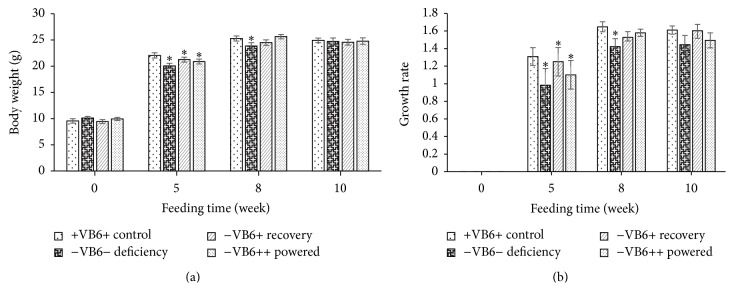
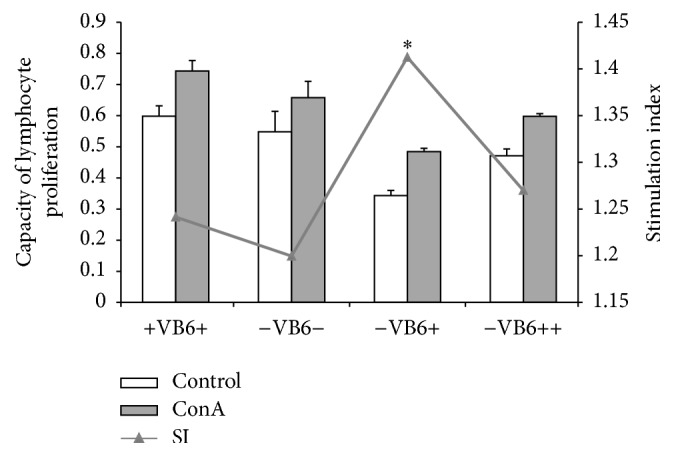
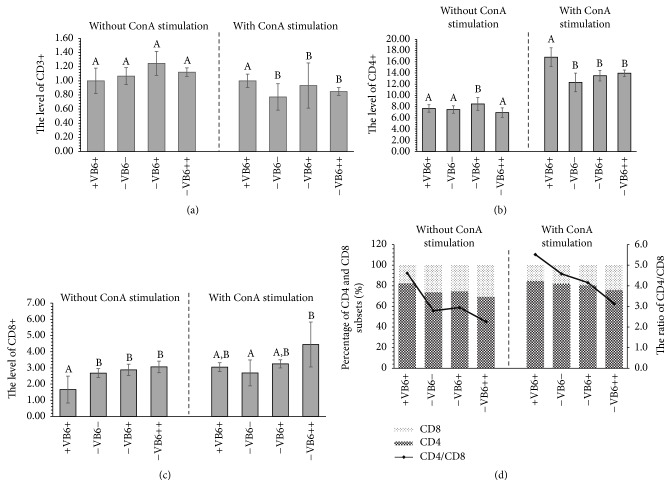
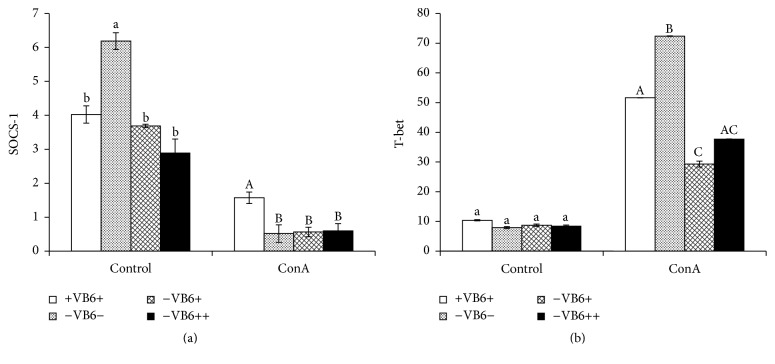
The immune system is critical in preventing infection and cancer, and malnutrition can weaken different aspects of the immune system to undermine immunity. Previous studies suggested that vitamin B6 deficiency could decrease serum antibody production with concomitant increase in IL4 expression. However, evidence on whether vitamin B6 deficiency would impair immune cell differentiation, cytokines secretion, and signal molecule expression involved in JAK/STAT signaling pathway to regulate immune response remains largely unknown. The aim of this study is to investigate the effects of vitamin B6 deficiency on the immune system through analysis of T lymphocyte differentiation, IL-2, IL-4, and INF-γ secretion, and SOCS-1 and T-bet gene transcription. We generated a vitamin B6-deficient mouse model via vitamin B6-depletion diet. The results showed that vitamin B6 deficiency retards growth, inhibits lymphocyte proliferation, and interferes with its differentiation. After ConA stimulation, vitamin B6 deficiency led to decrease in IL-2 and increase in IL-4 but had no influence on IFN-γ. Real-time PCR analysis showed that vitamin B6 deficiency downregulated T-bet and upregulated SOCS-1 transcription. This study suggested that vitamin B6 deficiency influenced the immunity in organisms. Meanwhile, the appropriate supplement of vitamin B6 could benefit immunity of the organism.
Conflict of interest statement
The authors declare that they have no competing interests.
Figures

References
-
- Meydani M. Nutrition interventions in aging and age-associated disease. Annals of the New York Academy of Sciences. 2001;928:226–235. - PubMed
MeSH terms
Substances
LinkOut - more resources
Full Text Sources
Other Literature Sources
