


A missense mutation in Katnal1 underlies behavioural, neurological and ciliary anomalies
- PMID: 28373692
- PMCID: PMC5761721
- DOI: 10.1038/mp.2017.54
A missense mutation in Katnal1 underlies behavioural, neurological and ciliary anomalies
Abstract
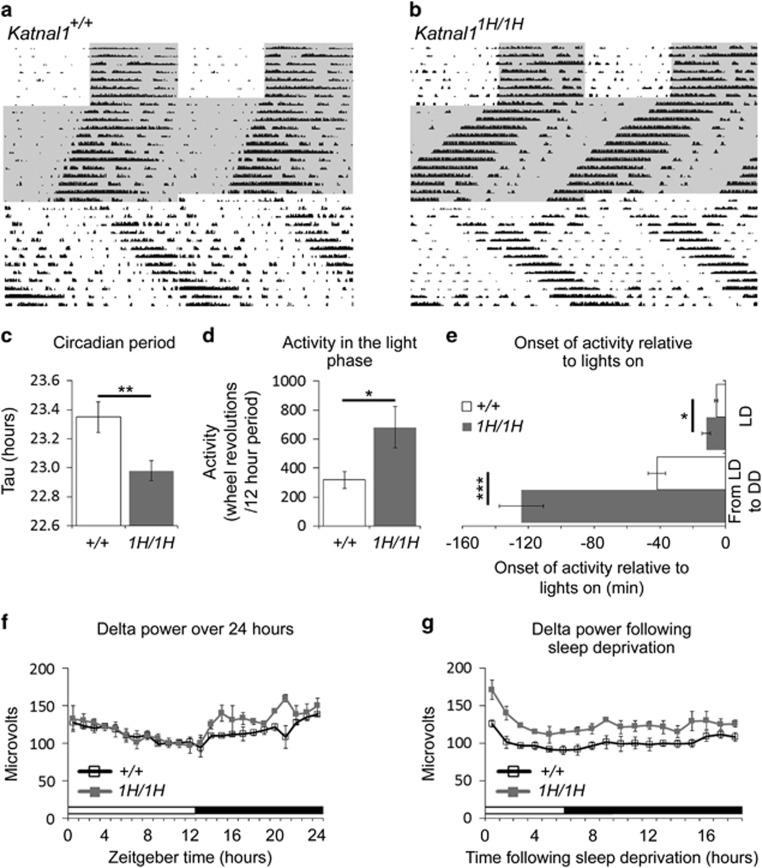
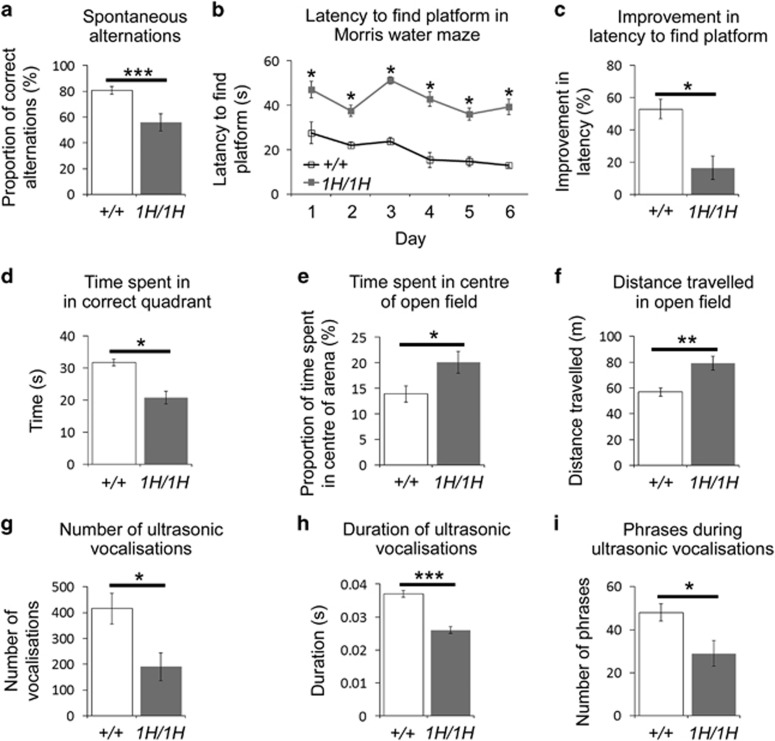
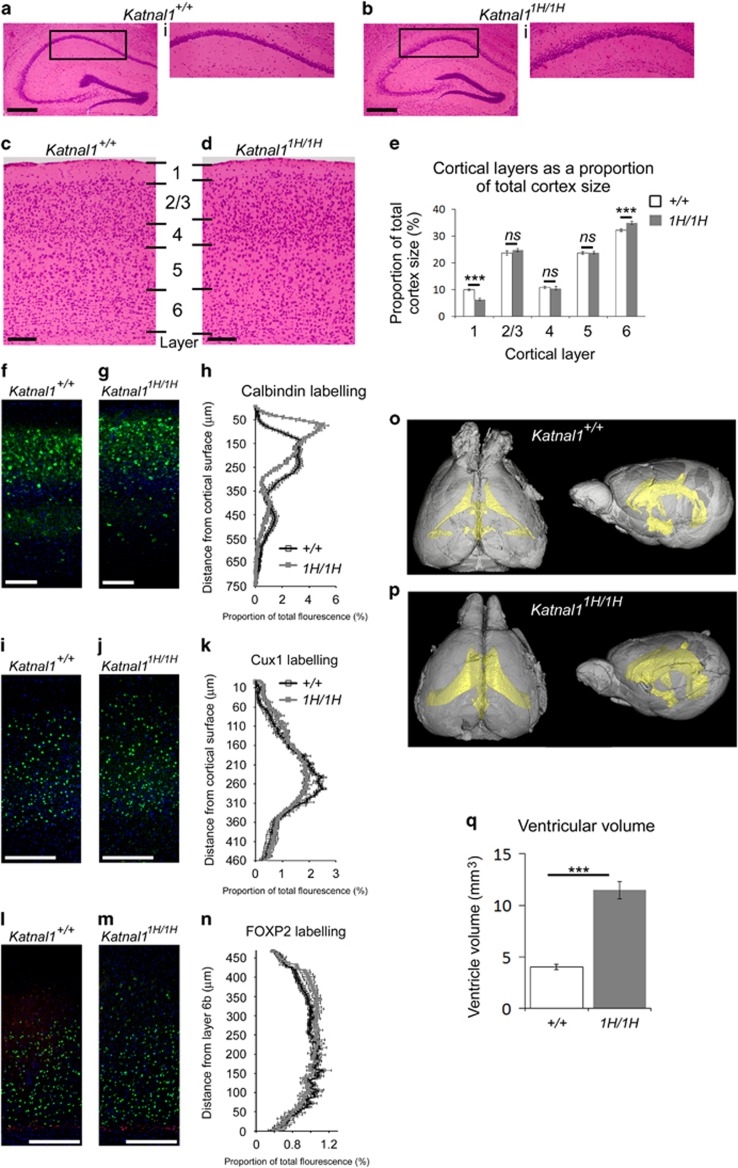
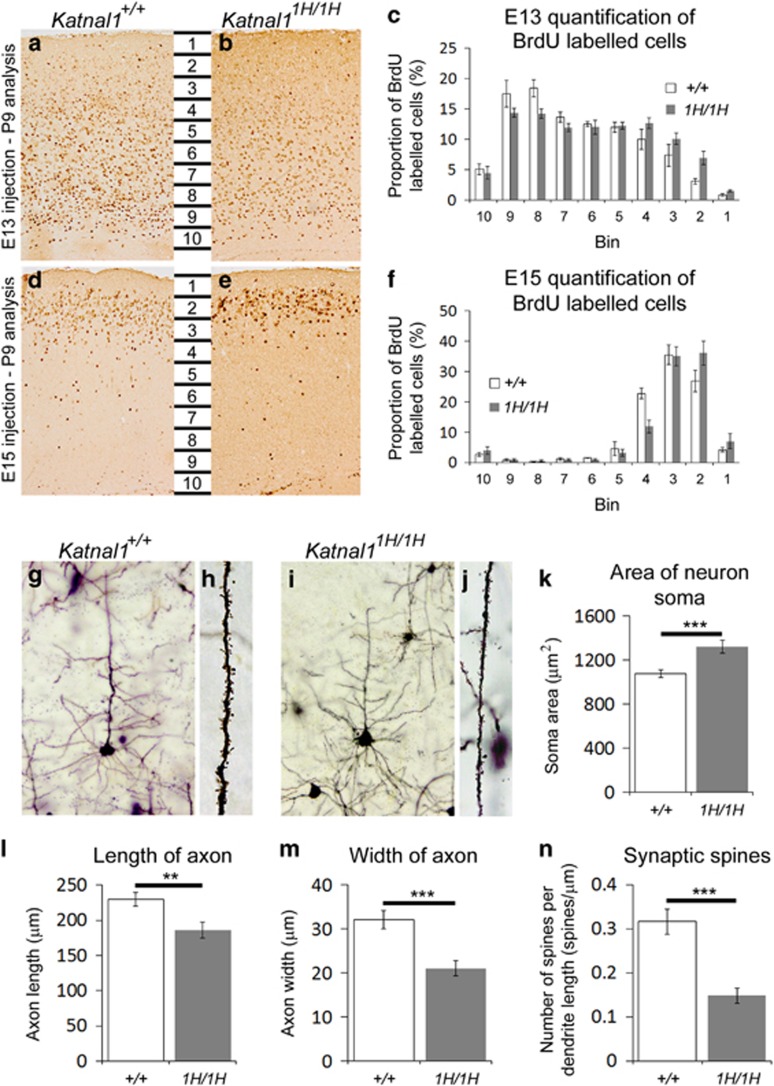
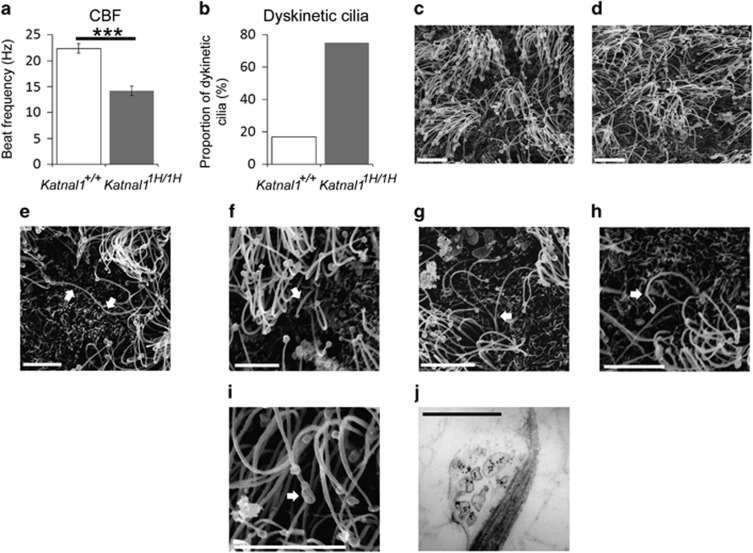
Microtubule severing enzymes implement a diverse range of tissue-specific molecular functions throughout development and into adulthood. Although microtubule severing is fundamental to many dynamic neural processes, little is known regarding the role of the family member Katanin p60 subunit A-like 1, KATNAL1, in central nervous system (CNS) function. Recent studies reporting that microdeletions incorporating the KATNAL1 locus in humans result in intellectual disability and microcephaly suggest that KATNAL1 may play a prominent role in the CNS; however, such associations lack the functional data required to highlight potential mechanisms which link the gene to disease symptoms. Here we identify and characterise a mouse line carrying a loss of function allele in Katnal1. We show that mutants express behavioural deficits including in circadian rhythms, sleep, anxiety and learning/memory. Furthermore, in the brains of Katnal1 mutant mice we reveal numerous morphological abnormalities and defects in neuronal migration and morphology. Furthermore we demonstrate defects in the motile cilia of the ventricular ependymal cells of mutants, suggesting a role for Katnal1 in the development of ciliary function. We believe the data we present here are the first to associate KATNAL1 with such phenotypes, demonstrating that the protein plays keys roles in a number of processes integral to the development of neuronal function and behaviour.
Conflict of interest statement
The authors declare no conflict of interest.
Figures
References
-
- Wood JD, Landers JA, Binglet M, McDermott CJ, Thomas-McArthur V, Gleadall LJ et al. The microtubule-severing protein Spastin is essential for axon outgrowth in the zebrafish embryo. Hum Mol Genet 2006; 15: 2763–2771. - PubMed
-
- Trotta N, Orso G, Rossetto MG, Daga A, Broadie K. The hereditary spastic paraplegia gene Spastin regulates microtubule stability to modulate synaptic structure and function. Curr Biol 2004; 14: 1135–1147. - PubMed
-
- Hazen J, Fonknechten N, Mavel D, Paternotte C, Samson D, Artiguenave F et al. Spastin, a new AAA protein, is altered in the most frequent form of autosomal dominant spastic paraplegia. Nat Genet 1999; 23: 296–303. - PubMed
Publication types
MeSH terms
Substances
Grants and funding
LinkOut - more resources
Full Text Sources
Other Literature Sources
Molecular Biology Databases
