


maLPA1-null mice as an endophenotype of anxious depression
- PMID: 28375206
- PMCID: PMC5416683
- DOI: 10.1038/tp.2017.24
maLPA1-null mice as an endophenotype of anxious depression
Abstract
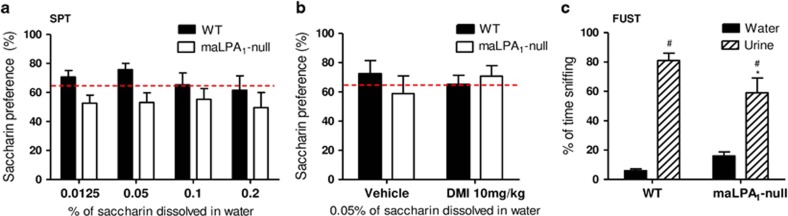
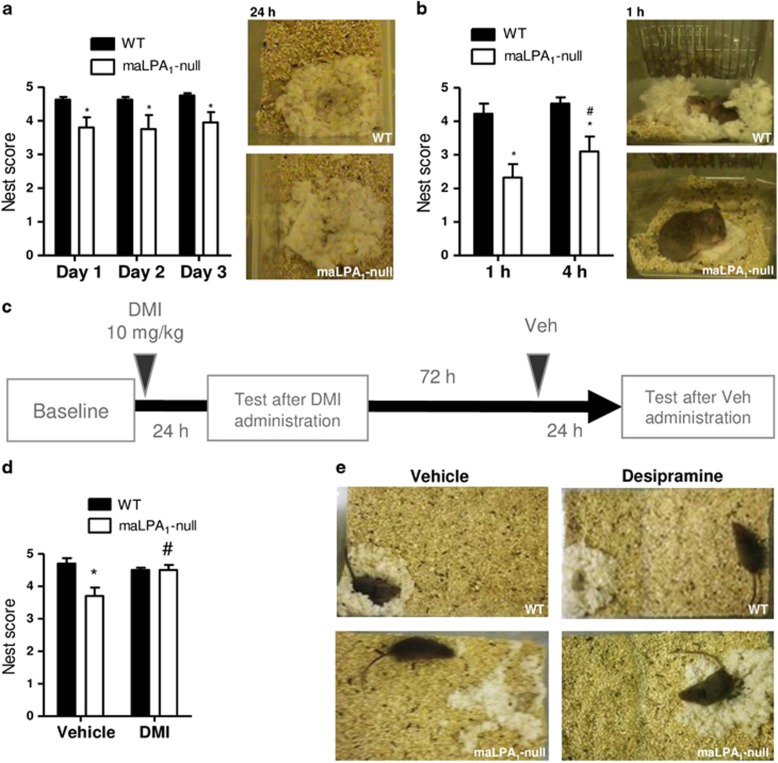
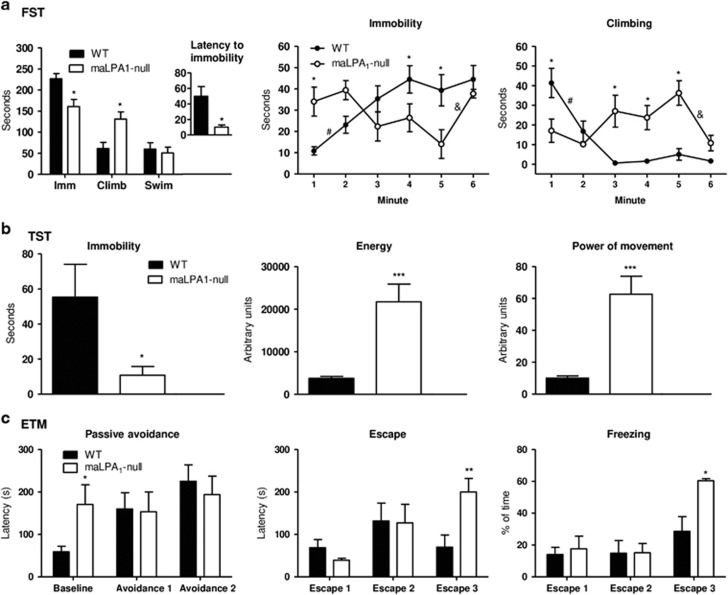
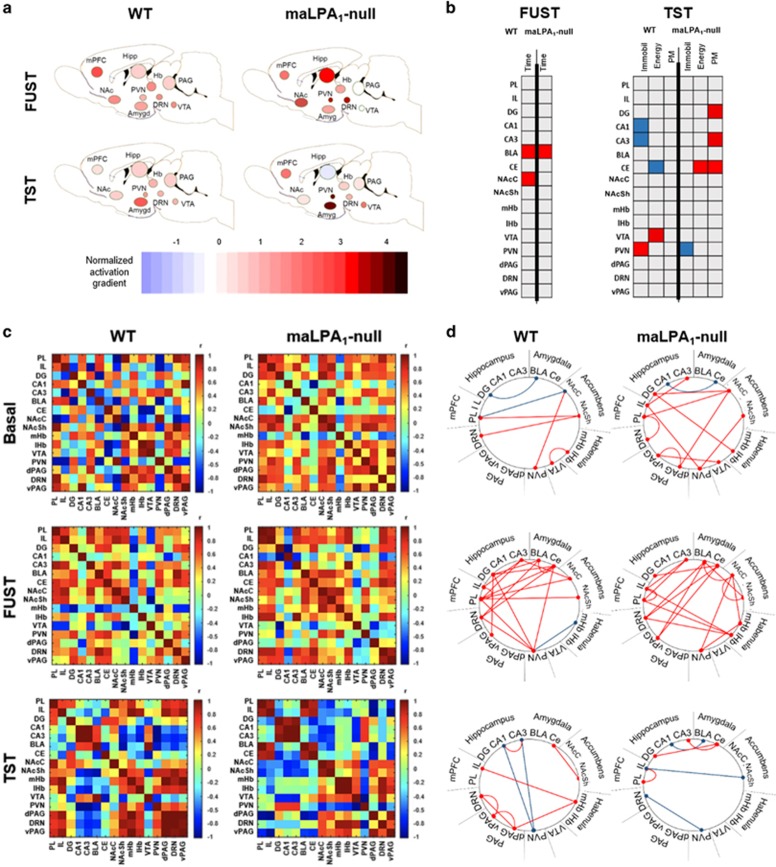
Anxious depression is a prevalent disease with devastating consequences and a poor prognosis. Nevertheless, the neurobiological mechanisms underlying this mood disorder remain poorly characterized. The LPA1 receptor is one of the six characterized G protein-coupled receptors (LPA1-6) through which lysophosphatidic acid acts as an intracellular signalling molecule. The loss of this receptor induces anxiety and several behavioural and neurobiological changes that have been strongly associated with depression. In this study, we sought to investigate the involvement of the LPA1 receptor in mood. We first examined hedonic and despair-like behaviours in wild-type and maLPA1 receptor null mice. Owing to the behavioural response exhibited by the maLPA1-null mice, the panic-like reaction was assessed. In addition, c-Fos expression was evaluated as a measure of the functional activity, followed by interregional correlation matrices to establish the brain map of functional activation. maLPA1-null mice exhibited anhedonia, agitation and increased stress reactivity, behaviours that are strongly associated with the psychopathological endophenotype of depression with anxiety features. Furthermore, the functional brain maps differed between the genotypes. The maLPA1-null mice showed increased limbic-system activation, similar to that observed in depressive patients. Antidepressant treatment induced behavioural improvements and functional brain normalisation. Finally, based on validity criteria, maLPA1-null mice are proposed as an animal model of anxious depression. Here, for we believe the first time, we have identified a possible relationship between the LPA1 receptor and anxious depression, shedding light on the unknown neurobiological basis of this subtype of depression and providing an opportunity to explore new therapeutic targets for the treatment of mood disorders, especially for the anxious subtype of depression.
Conflict of interest statement
The authors declare no conflict of interest.
Figures
References
-
- World Health Organization.WHO | The Global Burden of Disease: 2004 Update. World Health Organization: Geneva, Switzerland, 2008.
-
- World Health Organization.WHO | World Health Statistics 2007. World Health Organization: Geneva, Switzerland, 2007.
-
- Goodwin R, Olfson M. Treatment of panic attack and risk of major depressive disorder in the community. Am J Psychiatry 2001; 158: 1146–1148. - PubMed
-
- Kessler RC, Berglund P, Demler O, Jin R, Koretz D, Merikangas KR et al. The epidemiology of major depressive disorder: results from the National Comorbidity Survey Replication (NCS-R). JAMA 2003; 289: 3095–3105. - PubMed
Publication types
MeSH terms
Substances
LinkOut - more resources
Full Text Sources
Other Literature Sources
Medical
Molecular Biology Databases
