


A systematic review of strategies to increase access to health services among children in low and middle income countries
- PMID: 28381276
- PMCID: PMC5382494
- DOI: 10.1186/s12913-017-2180-9
A systematic review of strategies to increase access to health services among children in low and middle income countries
Abstract
Background: Universal Health Coverage is widely endorsed as the pivotal goal in global health, however substantial barriers to accessing health services for children in low and middle-income countries (LMIC) exist. Failure to access healthcare is an important contributor to child mortality in these settings. Barriers to access have been widely studied, however effective interventions to overcome barriers and increase access to services for children are less well documented.
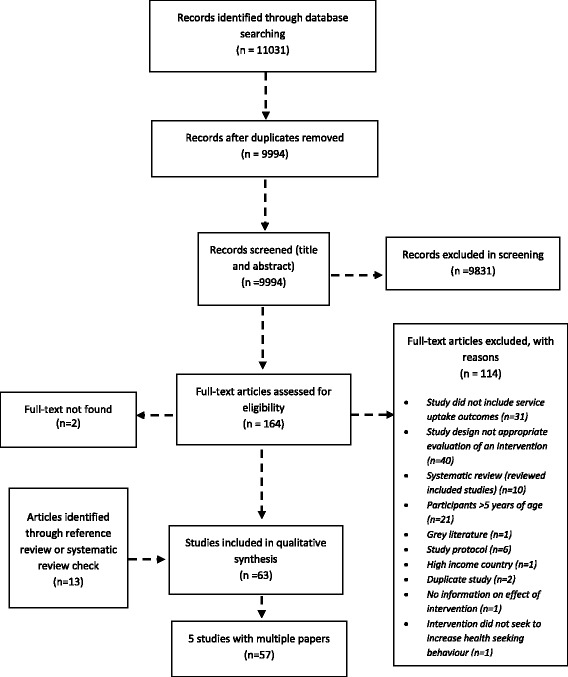
Methods: We conducted a systematic review of effectiveness of interventions aimed at increasing access to health services for children aged 5 years and below in LMIC. Four databases (EMBASE, Global Health, MEDLINE, and PSYCINFO) were searched in January 2016. Studies were included if they evaluated interventions that aimed to increase: health care utilisation; immunisation uptake; and compliance with medication or referral. Randomised controlled trials and non-randomised controlled study designs were included in the review. A narrative approach was used to synthesise results.
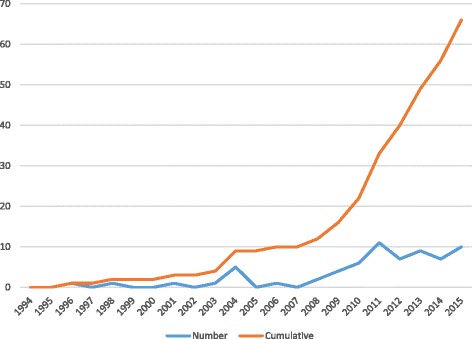
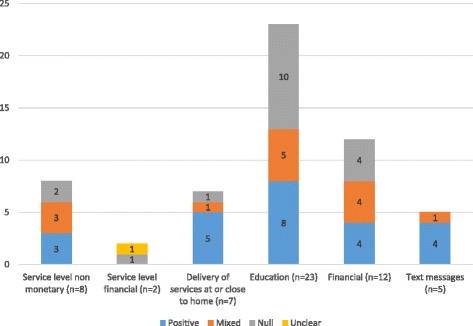
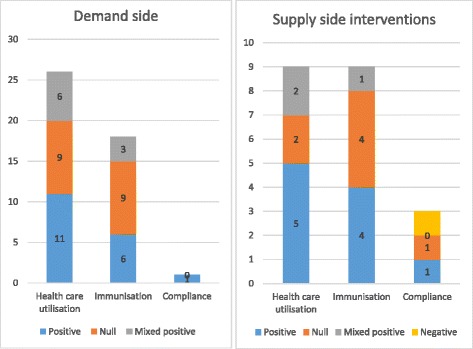
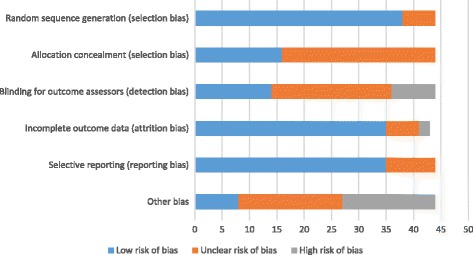
Results: Fifty seven studies were included in the review. Approximately half of studies (49%) were conducted in sub-Saharan Africa. Most studies were randomised controlled trials (n = 44; 77%) with the remaining studies employing non-randomised designs. Very few studies were judged as high quality. Studies evaluated a diverse range of interventions and various outcomes. Supply side interventions included: delivery of services at or closer to home and service level improvements (eg. integration of services). Demand side interventions included: educational programmes, text messages, and financial or other incentives. Interventions that delivered services at or closer to home and text messages were in general associated with a significant improvement in relevant outcomes. A consistent pattern was not noted for the remaining studies.
Conclusions: This review fills a gap in the literature by providing evidence of the range and effectiveness of interventions that can be used to increase access for children aged ≤5 years in LMIC. It highlights some intervention areas that seem to show encouraging trends including text message reminders and delivery of services at or close to home. However, given the methodological limitations found in existing studies, the results of this review must be interpreted with caution.
Systematic review registration: PROSPERO CRD420160334200.
Keywords: Access; Children; Health care; Low and middle income country; Universal health coverage.
Figures
References
-
- World Health Organisation. Systems thinking for health systems strengthening. In: Savigny D, Adam T, editors. Switzerland: World Health Organisation; 2009.
-
- Hanson K, Ranson MK, Oliveira-Cruz V, Mills A. Expanding access to priority health interventions: a framework for understanding the constraints to scaling-up. J Int Dev. 2003;15(1):1–14. doi: 10.1002/jid.963. - DOI
-
- World Health Organisation. Children: Reducing Mortality. Available from: http://who.int/mediacentre/factsheets/fs178/en/. Accessed 16 June 2016.
-
- United Nations. Millennium Development Goals. Available from: http://www.unmillenniumproject.org/goals/ Accessed 16 June 2016.
Publication types
MeSH terms
LinkOut - more resources
Full Text Sources
Other Literature Sources
Miscellaneous
