Meta-Analysis
. 2017 Apr 6:7:45963.
doi: 10.1038/srep45963.

Association of glucose-6-phosphate dehydrogenase deficiency and malaria: a systematic review and meta-analysis

Affiliations
Meta-Analysis

Association of glucose-6-phosphate dehydrogenase deficiency and malaria: a systematic review and meta-analysis

Evaristus Chibunna Mbanefo et al. Sci Rep. .

Abstract

Glucose-6-Phosphate Dehydrogenase (G6PD) deficiency overlaps with malaria endemicity although it predisposes carriers to hemolysis. This fact supports the protection hypothesis against malaria. The aim of this systematic review is to assess the presence and the extent of protective association between G6PD deficiency and malaria. Thirteen databases were searched for papers reporting any G6PD alteration in malaria patients. Twenty-eight of the included 30 studies were eligible for the meta-analysis. Results showed absence of negative association between G6PD deficiency and uncomplicated falciparum malaria (odds ratio (OR), 0.77; 95% confidence interval (CI), 0.59-1.02; p = 0.07). However, this negative association happened in Africa (OR, 0.59; 95% CI, 0.40-0.86; p = 0.007) but not in Asia (OR, 1.24; 95% CI, 0.96-1.61; p = 0.10), and in the heterozygotes (OR, 0.70; 95% CI, 0.57-0.87; p = 0.001) but not the homo/hemizygous (OR, 0.70; 95% CI, 0.46-1.07; p = 0.10). There was no association between G6PD deficiency and total severe malaria (OR, 0.82; 95% CI, 0.61-1.11; p = 0.20). Similarly, there was no association with other malaria species. G6PD deficiency can potentially protect against uncomplicated malaria in African countries, but not severe malaria. Interestingly, this protection was mainly in heterozygous, being x-linked thus related to gender.


Conflict of interest statement

The authors declare no competing financial interests.

Figures
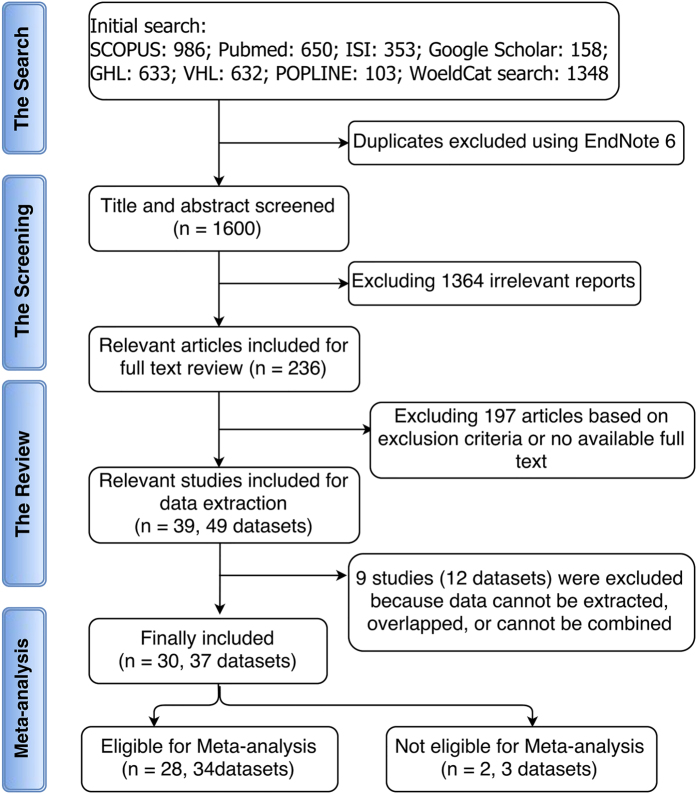
Figure 1
Figure 1. Flow diagram showing the method for the search, abstract screening, systematic review, and meta-analysis.
The database search using the search strategy was cleaned up to exclude duplicates. Titles and abstracts were initially screened to include all studies (published before January 2014) describing any association between G6PD deficiency and malaria. In addition to not meeting the inclusion criteria, reviews, case studies, editor correspondences, and studies whose data could not be retrieved were excluded during the full-text review.
Figure 2
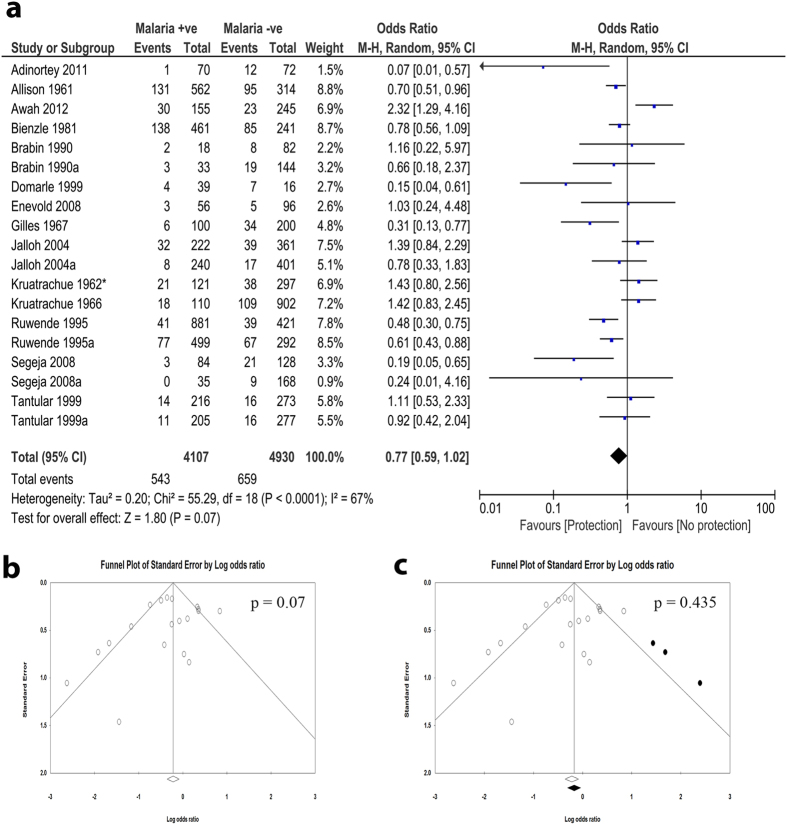
Figure 2. Association of G6PD deficiency with protection from uncomplicated falciparum malaria.
(a) The forest plot of meta-analysis assessing the association between G6PD deficiency and prevalence of P. falciparum malaria. The comparators were malaria negative individuals. The observed results revealed absence of negative association between G6PD deficiency and P. falciparum malaria prevalence. (b) Funnel plot revealed the presence of publication bias towards negative association. (c) Trim and fill analysis led to further tilting away from the negative association, confirming the presence of publication bias among the included studies.
Figure 3
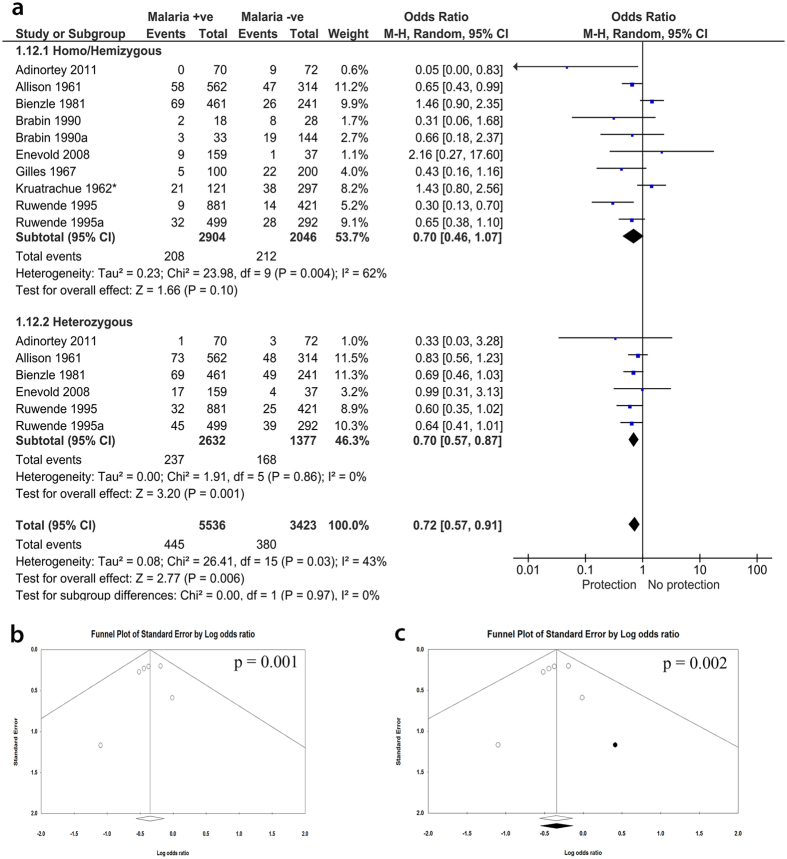
Figure 3. Meta-analysis forest plot for the association of G6PD with falciparum malaria.
(Subgroup analysis by genotypes): homo/hemi or heterozygous). (a) Present the meta-analysis forest plot of the association of G6PD deficiency and falciparum malaria, grouped by genotypes. The heterozygous females were compared to a combined group comprising hemizygous males and homozygous female. There was a strong negative association between G6PD deficiency and malaria for the heterozygous. (b) Funnel plot of the heterozygous subgroup represents presence of publication bias towards negative association. (c) Trim and fill analysis indicate that the publication bias is too minimal to affect the significant negative association.
Figure 4
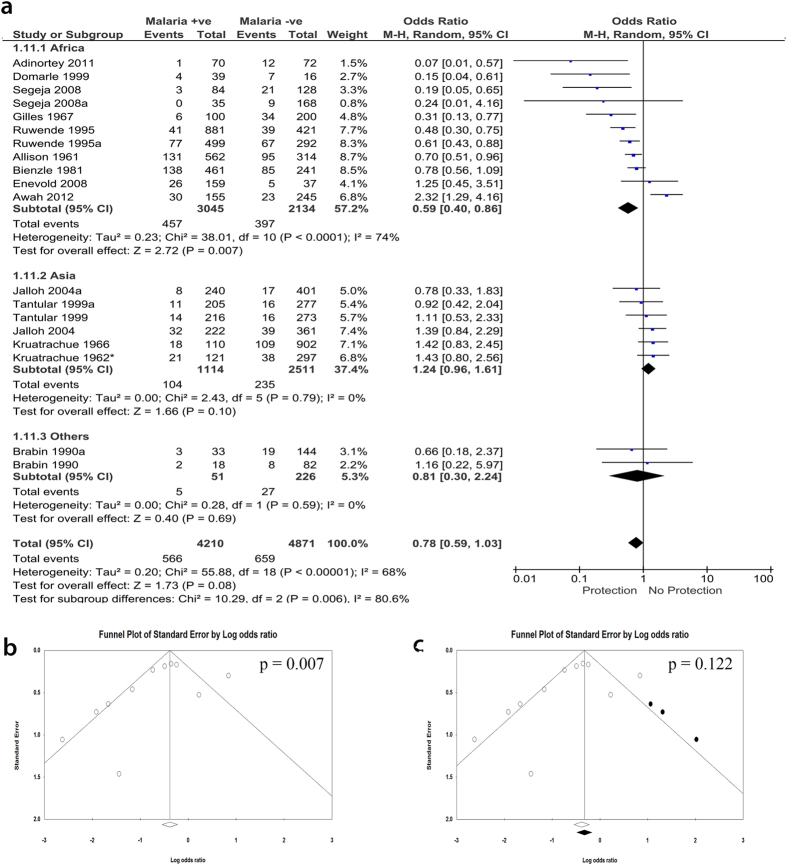
Figure 4. Meta-analysis forest plot for the association of G6PD with falciparum malaria.
(Subgroup analysis by continents where each study was performed (Africa, Asia, or others (Papua New Guinea)). (a) The forest plot of the subgroup analysis showing an association of G6PD deficiency and falciparum malaria, sub-grouped into the continents where study site is located. A statistically significant negative association was observed from the meta-analysis of studies on African subjects. No association was observed for studies performed in Asia. Also, the two data sets of a study from Papua New Guinea showed no association. (b) Funnel plot of studies performed in African. (c) Trim and fill analysis showing presence of publication bias in studies performed in Africa.
Figure 5
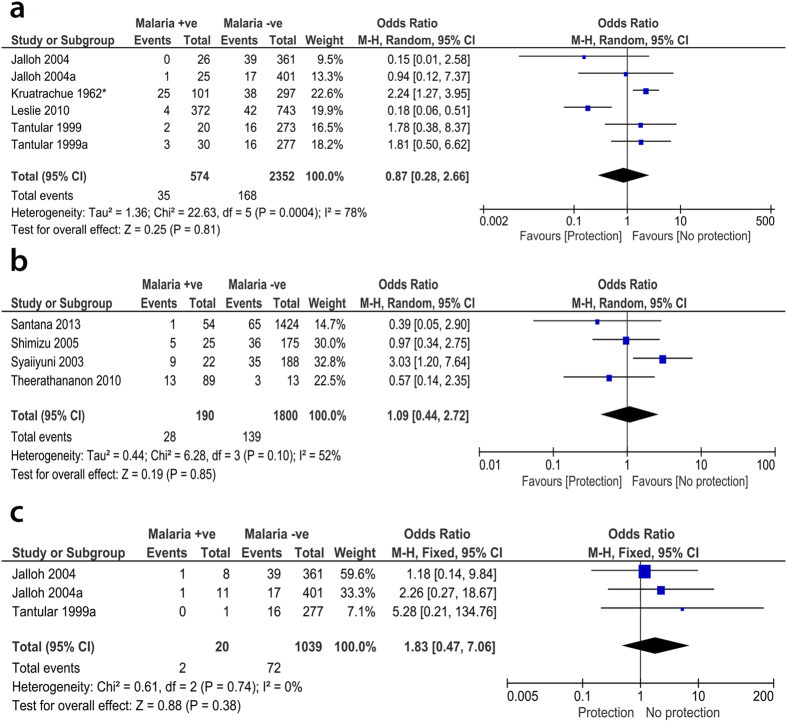
Figure 5. Meta-analysis forest plot for the association of G6PD with other species apart from P. falciparum malaria.
There was no negative association between G6PD and P. vivax (a), P. malariae (c), or even nondetermined species (b).

References

    1. Allison A. C. Malaria and glucose-6-phosphate dehydrogenase deficiency. Nature 197, 609–609 (1963). - PubMed
    1. Ruwende C. & Hill A. Glucose-6-phosphate dehydrogenase deficiency and malaria. Journal of molecular medicine 76, 581–588 (1998). - PubMed
    1. Ruwende C., Khoo S. C., Snow R. W. & Yates S. N. R. Natural selection of hemi-and heterozygotes for G6PD deficiency in Africa by resistance to severe malaria. Nature 376, 246 (1995). - PubMed
    1. Brandt O., Rieger A., Geusau A. & Stingl G. Peas, beans, and the Pythagorean theorem–the relevance of glucose‐6‐phosphate dehydrogenase deficiency in dermatology. JDDG: Journal der Deutschen Dermatologischen Gesellschaft 6, 534–539 (2008). - PubMed
    1. Adinortey M. B. et al. The significance of glucose-6-phosphate dehydrogenase deficiency in plasmodium falciparum malaria: A case study of patients visiting the Central Regional Hospital, Cape Coast, Ghana. World Journal of Medical Sciences 6, 126–130 (2011).

Publication types

MeSH terms

Substances