


Induction of osteoblastic differentiation of neural crest-derived stem cells from hair follicles
- PMID: 28384239
- PMCID: PMC5383073
- DOI: 10.1371/journal.pone.0174940
Induction of osteoblastic differentiation of neural crest-derived stem cells from hair follicles
Abstract
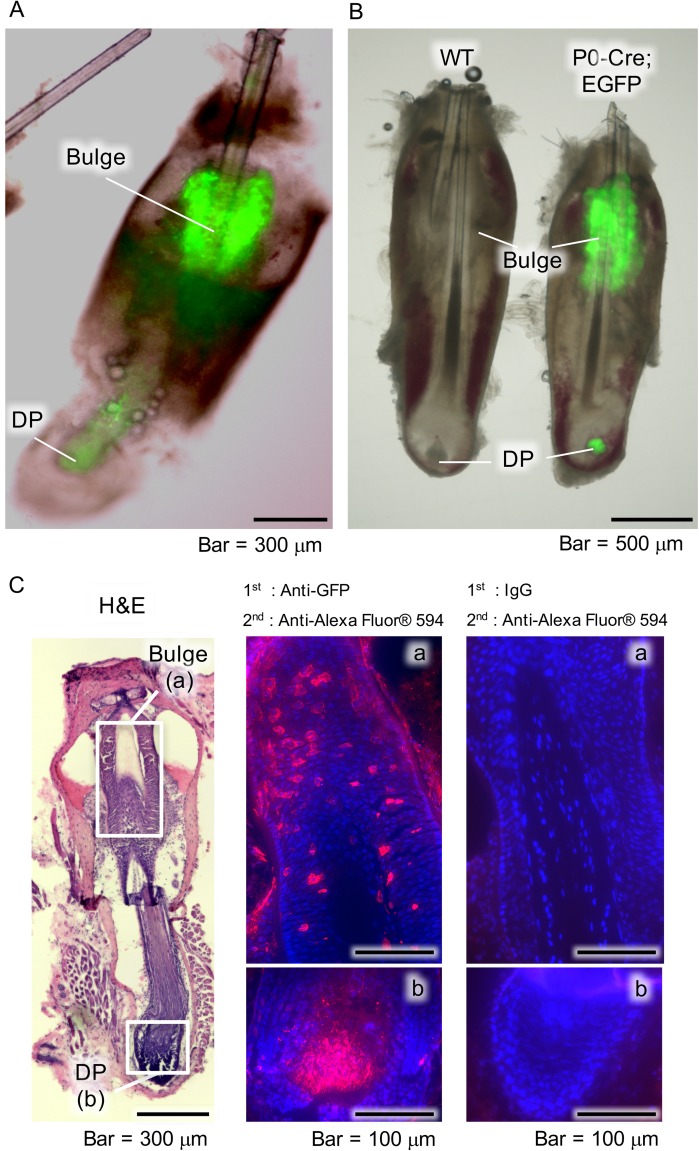
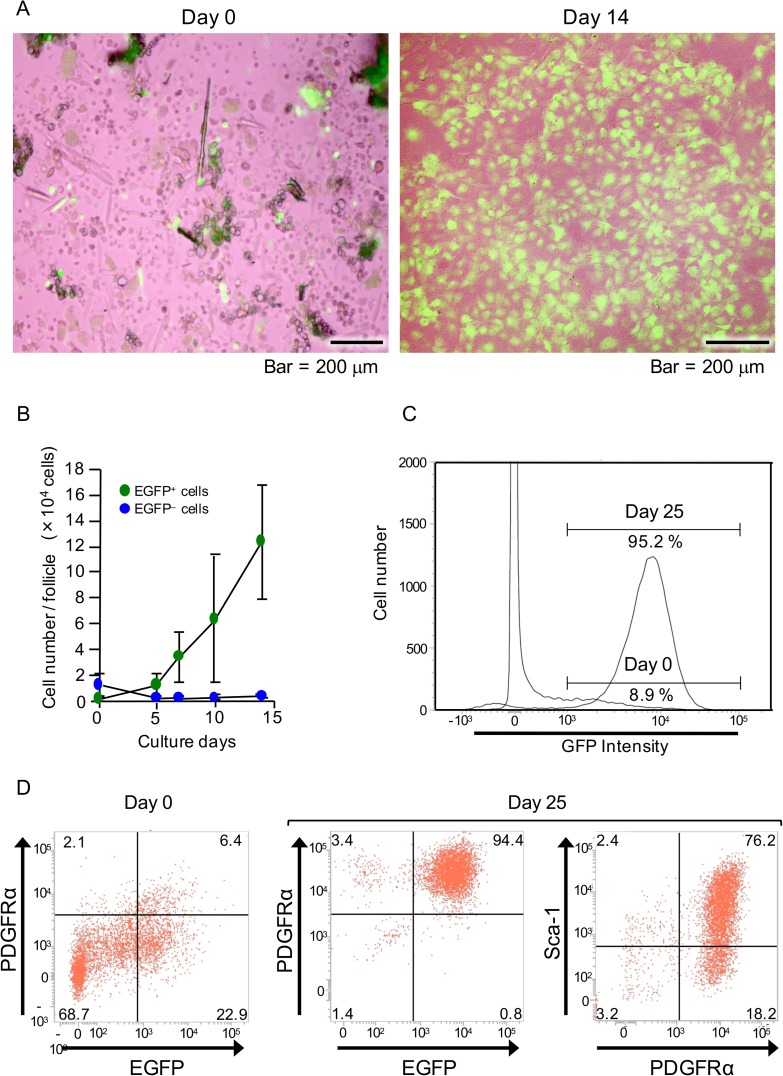
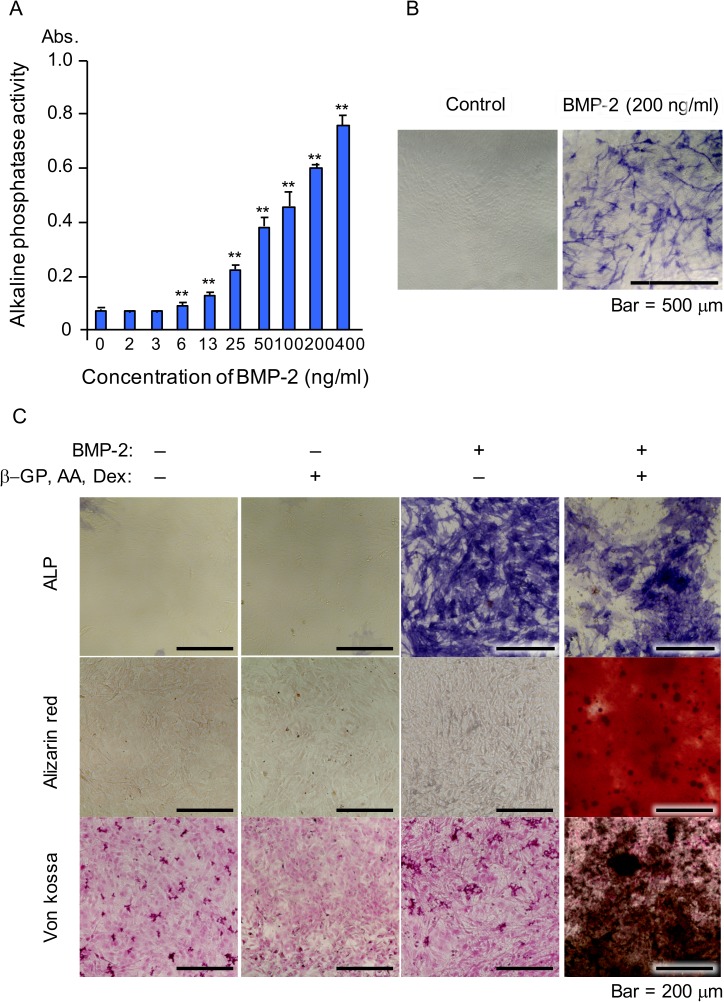
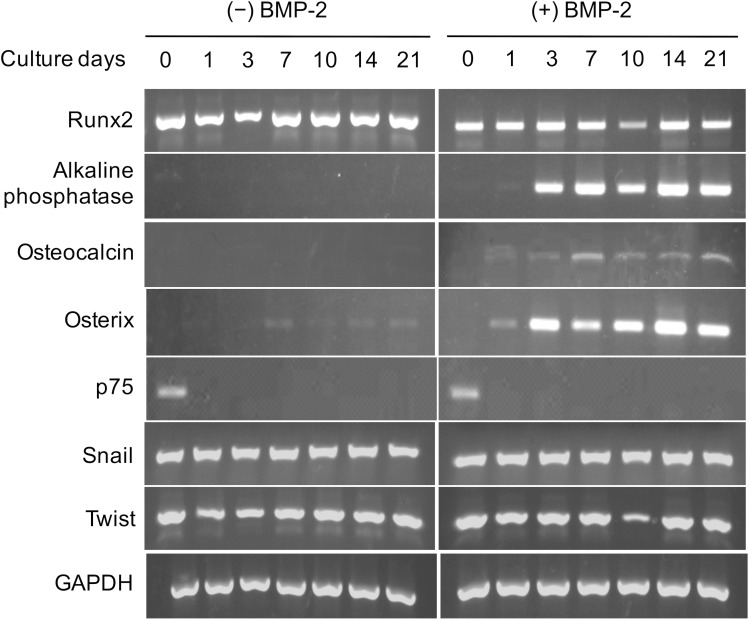
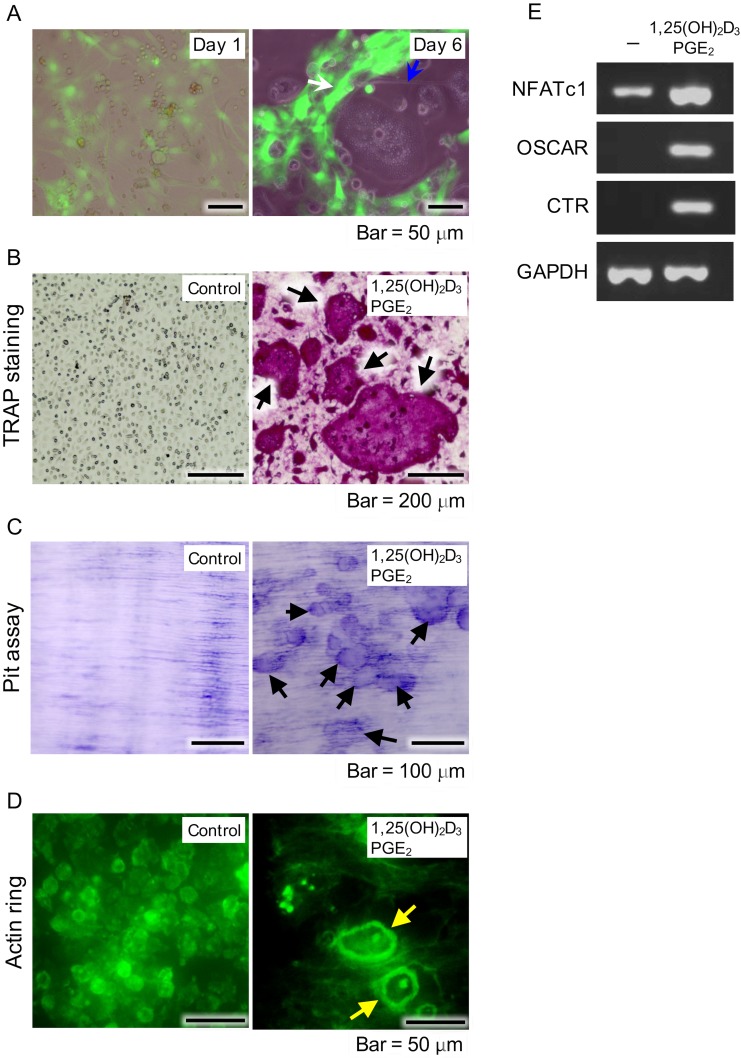
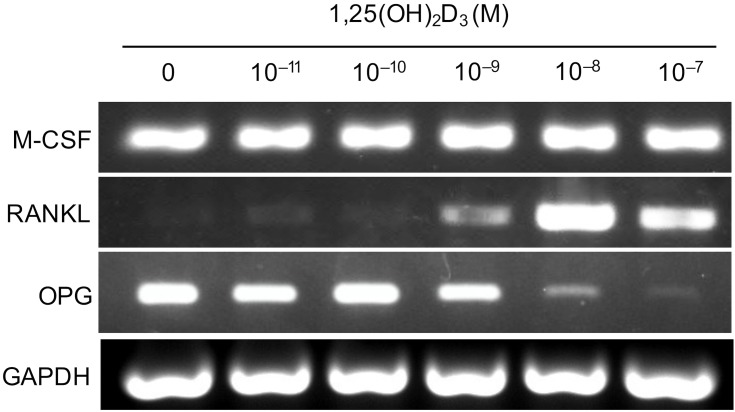
The neural crest (NC) arises near the neural tube during embryo development. NC cells migrate throughout the embryo and have potential to differentiate into multiple cell types, such as peripheral nerves, glial, cardiac smooth muscle, endocrine, and pigment cells, and craniofacial bone. In the present study, we induced osteoblast-like cells using whisker follicles obtained from the NC of mice. Hair follicle cells derived from the NC labeled with enhanced green fluorescent protein (EGFP) were collected from protein zero-Cre/floxed-EGFP double transgenic mice and cultured, then treated and cultured in stem cell growth medium. After growth for 14 days, results of flow cytometry analysis showed that 95% of the EGFP-positive (EGFP+) hair follicle cells derived from the NC had proliferated and 76.2% of those expressed mesenchymal stem cells markers, such as platelet-derived growth factor α and stem cell antigen-1, and also showed constitutive expression of Runx2 mRNA. Cells stimulated with bone morphogenetic protein-2 expressed osteocalcin, osterix, and alkaline phosphatase mRNA, resulting in production of mineralized matrices, which were detected by von Kossa and alizarin red staining. Moreover, EGFP+ hair follicle cells consistently expressed macrophage colony-stimulating factor and osteoprotegerin (OPG). Addition of 1α,25-dihydroxyvitamin D3 [1,25(OH)2D3] (10-8 M) to the cultures suppressed OPG expression and induced RANKL production in the cells. Furthermore, multinucleated osteoclasts appeared within 6 days after starting co-cultures of bone marrow cells with EGFP+ cells in the presence of 1,25(OH)2D3 and PGE2. These results suggest that NC-derived hair follicle cells possess a capacity for osteoblastic differentiation and may be useful for developing new bone regenerative medicine therapies.
Conflict of interest statement
Figures
References
-
- Le Douarin NM. Cell migrations in embryos. Cell. 1984;38(2):353–60. - PubMed
-
- Lumsden A, Sprawson N, Graham A. Segmental origin and migration of neural crest cells in the hindbrain region of the chick embryo. Development. 1991;113(4):1281–91. - PubMed
-
- Chung KF, Sicard F, Vukicevic V, Hermann A, Storch A, Huttner WB, et al. Isolation of neural crest derived chromaffin progenitors from adult adrenal medulla. Stem Cells. 2009;27(10):2602–13. doi: 10.1002/stem.180 - DOI - PubMed
-
- Osumi-Yamashita N, Ninomiya Y, Doi H, Eto K. The contribution of both forebrain and midbrain crest cells to the mesenchyme in the frontonasal mass of mouse embryos. Dev Biol. 1994;164(2):409–19. doi: 10.1006/dbio.1994.1211 - DOI - PubMed
-
- Chai Y, Jiang X, Ito Y, Bringas P Jr., Han J, Rowitch DH, et al. Fate of the mammalian cranial neural crest during tooth and mandibular morphogenesis. Development. 2000;127(8):1671–9. Epub 2000/03/22. - PubMed
MeSH terms
Substances
LinkOut - more resources
Full Text Sources
Other Literature Sources
Medical
Molecular Biology Databases
