


Using Artificial Intelligence to Reduce the Risk of Nonadherence in Patients on Anticoagulation Therapy
- PMID: 28386037
- PMCID: PMC5432369
- DOI: 10.1161/STROKEAHA.116.016281
Using Artificial Intelligence to Reduce the Risk of Nonadherence in Patients on Anticoagulation Therapy
Abstract
Background and purpose: This study evaluated the use of an artificial intelligence platform on mobile devices in measuring and increasing medication adherence in stroke patients on anticoagulation therapy. The introduction of direct oral anticoagulants, while reducing the need for monitoring, have also placed pressure on patients to self-manage. Suboptimal adherence goes undetected as routine laboratory tests are not reliable indicators of adherence, placing patients at increased risk of stroke and bleeding.
Methods: A randomized, parallel-group, 12-week study was conducted in adults (n=28) with recently diagnosed ischemic stroke receiving any anticoagulation. Patients were randomized to daily monitoring by the artificial intelligence platform (intervention) or to no daily monitoring (control). The artificial intelligence application visually identified the patient, the medication, and the confirmed ingestion. Adherence was measured by pill counts and plasma sampling in both groups.
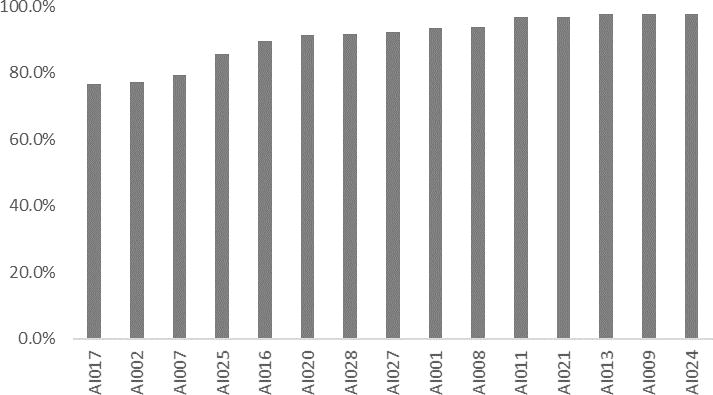
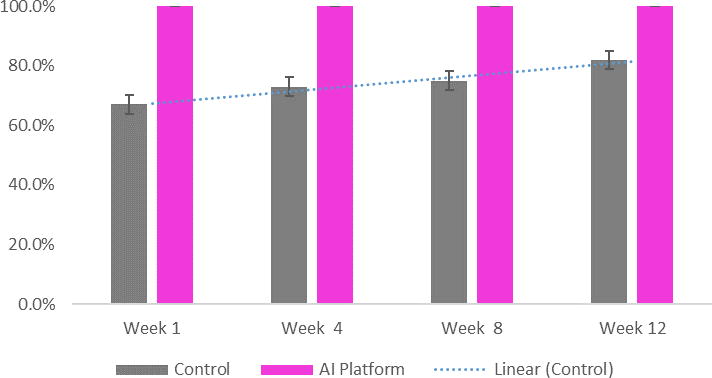
Results: For all patients (n=28), mean (SD) age was 57 years (13.2 years) and 53.6% were women. Mean (SD) cumulative adherence based on the artificial intelligence platform was 90.5% (7.5%). Plasma drug concentration levels indicated that adherence was 100% (15 of 15) and 50% (6 of 12) in the intervention and control groups, respectively.
Conclusions: Patients, some with little experience using a smartphone, successfully used the technology and demonstrated a 50% improvement in adherence based on plasma drug concentration levels. For patients receiving direct oral anticoagulants, absolute improvement increased to 67%. Real-time monitoring has the potential to increase adherence and change behavior, particularly in patients on direct oral anticoagulant therapy.
Clinical trial registration: URL: http://www.clinicaltrials.gov. Unique identifier: NCT02599259.
Keywords: anticoagulants; artificial intelligence; patient compliance; patient outcome assessment; stroke.
© 2017 American Heart Association, Inc.
Conflict of interest statement
Daniel L. Labovitz, Deepti Virmani, and Morayma Reyes Gil are employees of Montefiore Medical Center, Bronx, NY. Laura Shafner and Adam Hanina are employees of AiCure, New York, NY, USA.
Figures
References
-
- Bauer KA. Pros and Cons of New Oral Anticoagulants. Hematology Am Soc Hematol Educ Program. 2013;2013:464–470. - PubMed
-
- Song X, Sander SD, Varker H, Amin A. Patterns and Predictors of Use of Warfarin and Other Common Long-term Medications in Patients with Atrial Fibrillation. Am J Cardiovasc Drugs. 2012;12:245–253. - PubMed
Publication types
MeSH terms
Substances
Associated data
Grants and funding
LinkOut - more resources
Full Text Sources
Other Literature Sources
Medical
