


The effect of repetitive subconcussive collisions on brain integrity in collegiate football players over a single football season: A multi-modal neuroimaging study
- PMID: 28393012
- PMCID: PMC5377433
- DOI: 10.1016/j.nicl.2017.03.006
The effect of repetitive subconcussive collisions on brain integrity in collegiate football players over a single football season: A multi-modal neuroimaging study
Abstract
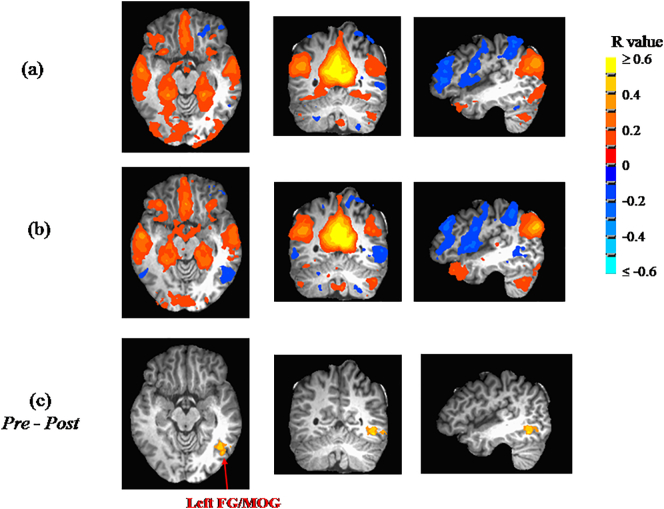
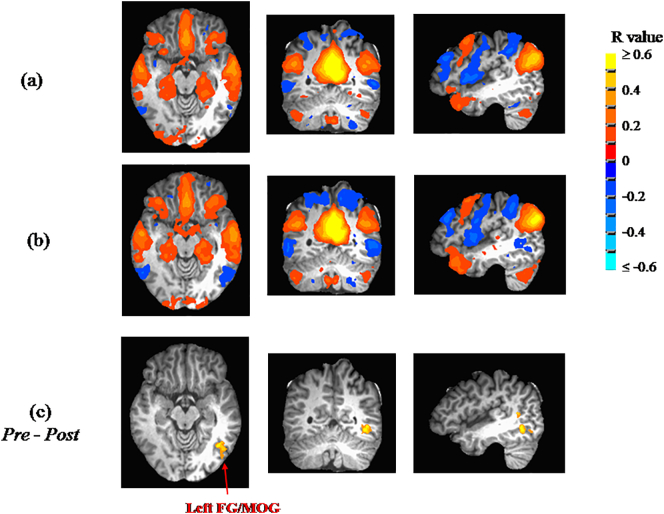
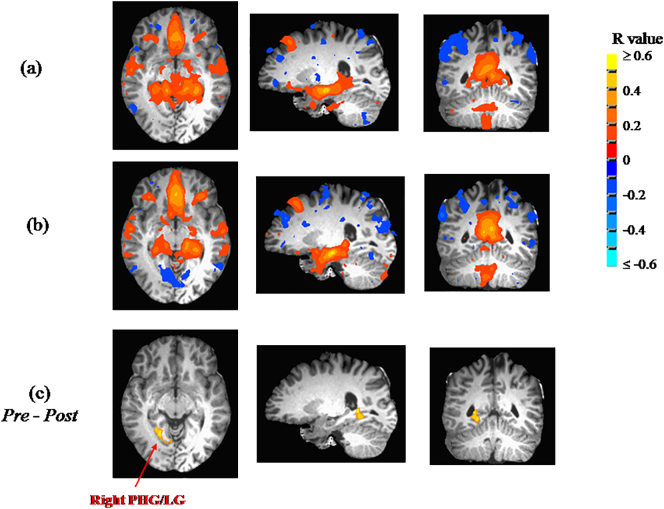
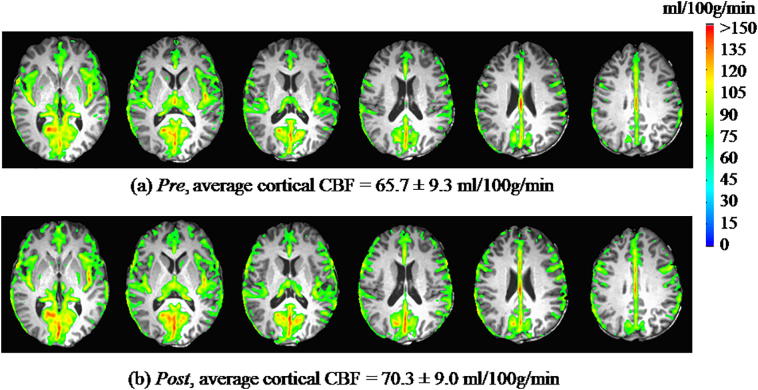
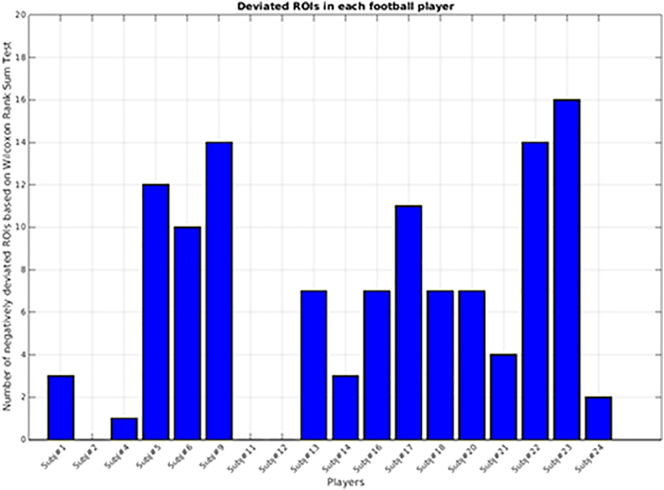
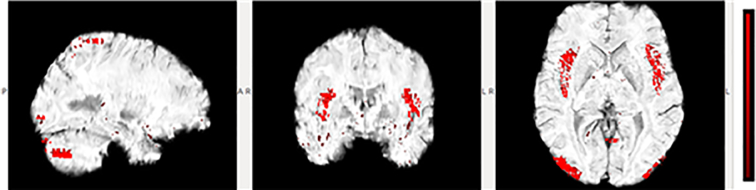
The cumulative effect of repetitive subconcussive collisions on the structural and functional integrity of the brain remains largely unknown. Athletes in collision sports, like football, experience a large number of impacts across a single season of play. The majority of these impacts, however, are generally overlooked, and their long-term consequences remain poorly understood. This study sought to examine the effects of repetitive collisions across a single competitive season in NCAA Football Bowl Subdivision athletes using advanced neuroimaging approaches. Players were evaluated before and after the season using multiple MRI sequences, including T1-weighted imaging, diffusion tensor imaging (DTI), arterial spin labeling (ASL), resting-state functional MRI (rs-fMRI), and susceptibility weighted imaging (SWI). While no significant differences were found between pre- and post-season for DTI metrics or cortical volumes, seed-based analysis of rs-fMRI revealed significant (p < 0.05) changes in functional connections to right isthmus of the cingulate cortex (ICC), left ICC, and left hippocampus. ASL data revealed significant (p < 0.05) increases in global cerebral blood flow (CBF), with a specific regional increase in right postcentral gyrus. SWI data revealed that 44% of the players exhibited outlier rates (p < 0.05) of regional decreases in SWI signal. Of key interest, athletes in whom changes in rs-fMRI, CBF and SWI were observed were more likely to have experienced high G impacts on a daily basis. These findings are indicative of potential pathophysiological changes in brain integrity arising from only a single season of participation in the NCAA Football Bowl Subdivision, even in the absence of clinical symptoms or a diagnosis of concussion. Whether these changes reflect compensatory adaptation to cumulative head impacts or more lasting alteration of brain integrity remains to be further explored.
Keywords: Accelerometers; Football; MRI; Repetitive impacts; Subconcussive.
Figures
References
-
- Abbas K., Goni J., Talavage T. 2015. History of Concussion Reduces Brain Resting State Network Efficiency. (Biomedical Engineering Society 2015 Annual Meeting). Tampa, FL, October. (#P-Fr-609)
-
- Abbas K., Shenk T.E., Poole V.N., Breedlove E.L., Leverenz L.J., Nauman E.A., Talavage T.M., Robinson M.E. Alteration of default mode network in high school football athletes due to repetitive subconcussive mild traumatic brain injury: a resting state functional magnetic resonance imaging study. Brain Connect. 2015;5:91–101. - PubMed
-
- Abbas K., Shenk T.E., Poole V.N., Robinson M.E., Leverenz L.J., Nauman E.A., Talavage T.M. Effects of repetitive sub-concussive brain injury on the functional connectivity of default mode network in high school football athletes. Dev. Neuropsychol. 2015;40(1):51–56. - PubMed
-
- Bailes J.E., Petraglia A.L., Omalu B.I., Nauman E., Talavage T. Role of subconcussion in repetitive mild traumatic brain injury. J. Neurosurg. 2013;119:1235–1245. - PubMed
-
- Bartnik-Olson B.L., Holshouser B., Wang H., Grube M., Tong K., Wong V., Ashwal S. Impaired neurovascular unit function contributes to persistent symptoms after concussion: a pilot study. J. Neurotrauma. 2014;31:1497–1506. - PubMed
Publication types
MeSH terms
LinkOut - more resources
Full Text Sources
Other Literature Sources
Medical
