. 2017 Nov;102(5):859-869.
doi: 10.1002/cpt.709. Epub 2017 Jun 15.

Pharmacogenomics-Based Point-of-Care Clinical Decision Support Significantly Alters Drug Prescribing

Affiliations

Pharmacogenomics-Based Point-of-Care Clinical Decision Support Significantly Alters Drug Prescribing

P H O'Donnell et al. Clin Pharmacol Ther. 2017 Nov.

Abstract

Changes in behavior are necessary to apply genomic discoveries to practice. We prospectively studied medication changes made by providers representing eight different medicine specialty clinics whose patients had submitted to preemptive pharmacogenomic genotyping. An institutional clinical decision support (CDS) system provided pharmacogenomic results using traffic light alerts: green = genomically favorable, yellow = genomic caution, red = high risk. The influence of pharmacogenomic alerts on prescribing behaviors was the primary endpoint. In all, 2,279 outpatient encounters were analyzed. Independent of other potential prescribing mediators, medications with high pharmacogenomic risk were changed significantly more often than prescription drugs lacking pharmacogenomic information (odds ratio (OR) = 26.2 (9.0-75.3), P < 0.0001). Medications with cautionary pharmacogenomic information were also changed more frequently (OR = 2.4 (1.7-3.5), P < 0.0001). No pharmacogenomically high-risk medications were prescribed during the entire study when physicians consulted the CDS tool. Pharmacogenomic information improved prescribing in patterns aimed at reducing patient risk, demonstrating that enhanced prescription decision-making is achievable through clinical integration of genomic medicine.


Figures

Figure 1
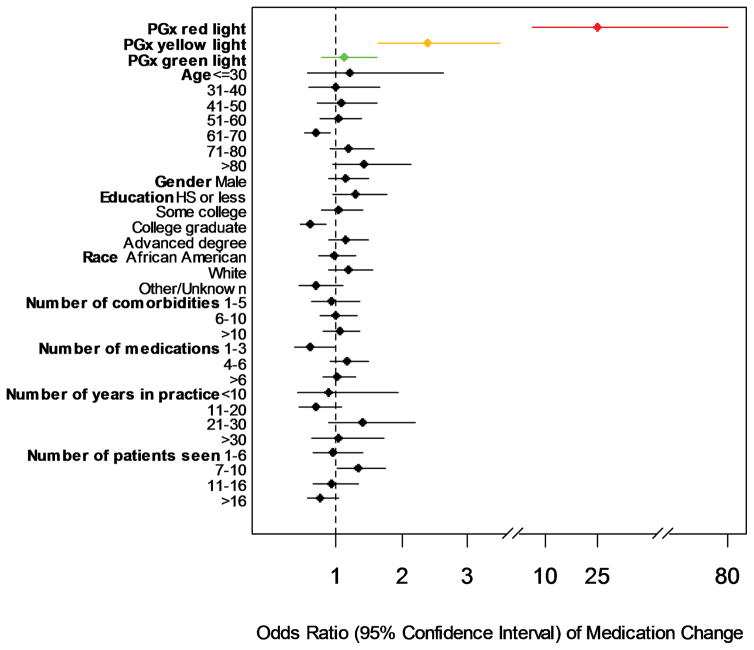
Figure 1. Analysis of Patient, Physician Practice, and Pharmacogenomic Factors on Likelihood of a Medication Change
Odds ratios (OR) and 95% confidence intervals are displayed for each patient, physician practice, and pharmacogenomic risk variable analyzed. In contrast to the large impact of pharmacogenomic information, almost none of the other analyzed clinical factors showed a reliable association with medication changes occurring at visits. The only exception was that patients on the fewest number of total medications (1–3 medications) were less likely than other patients to have a prescription change. Note: it is noted that single sub-group variables (like “patients aged 61–70 years”, or “college graduates”) within some of the broader evaluated clinical categories had individual, statistically significant findings, but we did not consider these as significant results at the level of the overall clinical variable because the relationship was not retained across the entire category (e.g., age was not associated with medication change likelihood across the full range of analyzed age-decade sub-groups; and educational level as a variable was not associated with medication change likelihood overall, in fact, those with advanced degrees beyond college trended in the opposite direction as college graduates). PGx=pharmacogenomic; HS=high school.
Figure 2
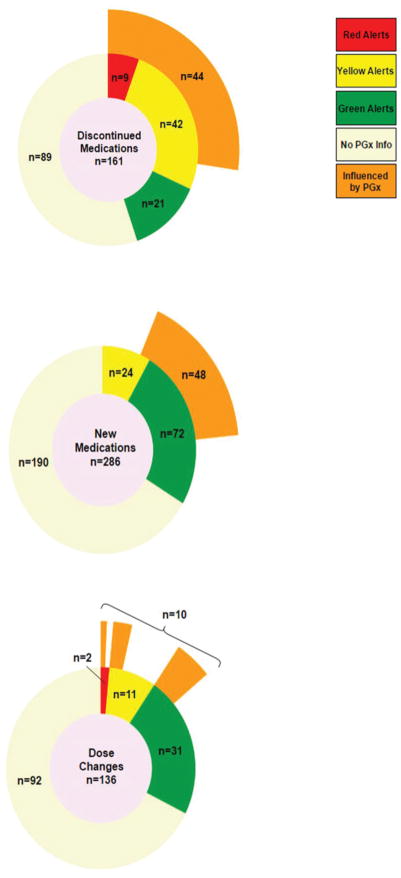
Figure 2. Available Pharmacogenomic Information Impacts Major Prescription Decisions
Medication changes at all study visits where providers accessed pharmacogenomic results via GPS are depicted. In the center of each diagram, the total number of medication changes of each type are shown (2A=visits with drug discontinuations; 2B=visits with new medications prescribed; 2C=visits with dose adjustments). The first concentric circle then divides the total number of medication changes into categories based on whether pharmacogenomic information was available within the GPS (beige represents drugs without pharmacogenomic information; green/yellow/red represent drugs with each of these respective pharmacogenomic alert types). The outermost concentric layer (orange) indicates the proportion of those medication changes, stratified by green/yellow/red alert level, that were attributed through a formal evaluation process as being influenced by the pharmacogenomic information. 2A - Drug Discontinuations. There were 161 drug cessations during the study period at visits where providers accessed the GPS. While about half (n=89, 55%) of these discontinued medications did not have pharmacogenomic information, when pharmacogenomic signals were available (9 + 42 + 21=72), a large majority (44/72=61%) of provider decisions to stop drugs were influenced by the provided pharmacogenomic recommendations. 2B – New Medications Prescribed. There were 286 new drugs prescribed during study visits where providers accessed the GPS. While the majority of these new prescriptions did not have pharmacogenomic information (n=190), for those that did (24+72=96), physicians reported that the decision to prescribe the ultimately chosen drug was affirmatively influenced by pharmacogenomic information in 50% (48/96) of cases. 2C - Dose Adjustments. There were 136 dose changes at visits when providers accessed the GPS during the study period. The majority of dose-adjustments that occurred in drugs with pharmacogenomic information were for green light drugs (n=31), although yellow (n=11) and red light medication (n=2) dose-adjustments were observed. Altogether, 23% (10/44) provider decisions to make dose changes in drugs with viewed pharmacogenomic information were influenced by GPS recommendations. GPS=Genomic Prescribing System.

References

    1. Nussbaum RL, McInnes RR, Willard HF, Hamosh A, Thompson MW. Thompson & Thompson genetics in medicine. Philadelphia: Saunders/Elsevier; 2007. Available from: http://site.ebrary.com/lib/uchicago/docDetail.action?docID=10567394.
    1. Spear BB, Heath-Chiozzi M, Huff J. Clinical application of pharmacogenetics. Trends in molecular medicine. 2001;7(5):201–4. - PubMed
    1. Klein TE, Altman RB. PharmGKB: the pharmacogenetics and pharmacogenomics knowledge base. The pharmacogenomics journal. 2004;4(1):1. - PubMed
    1. Relling MV, Evans WE. Pharmacogenomics in the clinic. Nature. 2015;526(7573):343–50. - PMC - PubMed
    1. Altman RB. Pharmacogenomics: “noninferiority” is sufficient for initial implementation. Clinical pharmacology and therapeutics. 2011;89(3):348–50. - PubMed

LinkOut - more resources