


Effectiveness of Progressive Resistive Exercise (PRE) in the context of HIV: systematic review and meta-analysis using the Cochrane Collaboration protocol
- PMID: 28403830
- PMCID: PMC5389006
- DOI: 10.1186/s12879-017-2342-8
Effectiveness of Progressive Resistive Exercise (PRE) in the context of HIV: systematic review and meta-analysis using the Cochrane Collaboration protocol
Abstract
Background: HIV is increasingly considered a chronic illness. More individuals are living longer and aging with the health-related consequences associated with HIV and multi-morbidity. Exercise is a self-management approach that can promote health for people aging with HIV. We examined the safety and effectiveness of progressive resistive exercise (PRE) interventions on immunological, virological, cardiorespiratory, strength, weight, body composition, and psychological outcomes in adults living with HIV.
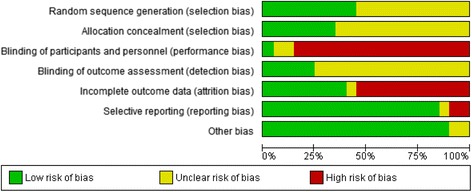
Methods: We conducted a systematic review using the Cochrane Collaboration protocol. Searching databases up to April 2013, we included randomized controlled trials that compared PRE with no exercise or another intervention performed at least three times per week for at least four weeks with adults living with HIV. Two reviewers independently determined study eligibility. We extracted data from included studies and assessed risk of bias using the Cochrane Collaboration risk of bias tool. Meta-analyses were conducted using random effects models with Review Manager (RevMan) computer software.
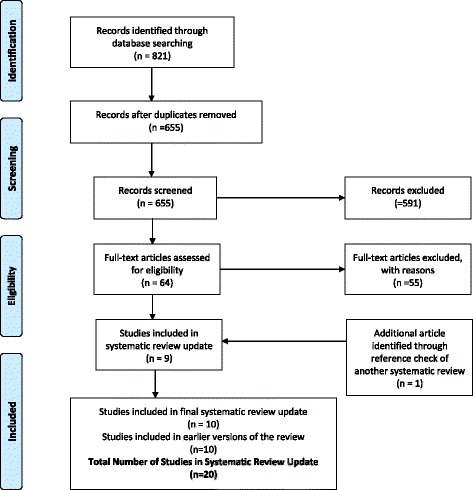
Results: Twenty studies met inclusion criteria (n = 764 participants at study completion); the majority of participants were men (77%) taking antiretroviral therapy (14/20 included studies). Exercise interventions included PRE alone (8 studies) or a combination of resistive and aerobic exercise (12 studies) ranging from 6 to 52 weeks in duration. Thirty-four meta-analyses were performed. Results demonstrated statistically significant improvements in cardiorespiratory status (maximum oxygen consumption, exercise time), strength (chest press, knee flexion), weight, and body composition (arm and thigh girth, leg muscle area) among exercisers versus non-exercisers. We found no significant differences in change in CD4 count and viral load. We were unable to perform meta-analyses for psychological outcomes however results from individual studies demonstrated improvements in health-related quality of life with exercisers compared with non-exercisers.
Conclusions: Performing progressive resistive exercise (PRE) or a combination of resistive and aerobic exercise at least three times per week for at least six weeks is safe and can lead to improvements in cardiorespiratory fitness, strength, weight, and body composition for adults with HIV. Exercise may be considered a safe and beneficial for enhancing the health of medically stable adults aging with HIV.
Keywords: Exercise; HIV/AIDS; Resistive exercise; Strength training; Systematic review.
Figures
References
-
- Palella FJ, Jr, Baker RK, Moorman AC, Chmiel JS, Wood KC, Brooks JT, Holmberg SD. Mortality in the highly active antiretroviral therapy era: changing causes of death and disease in the HIV outpatient study. J Acquir Immune Defic Syndr. 2006;43(1):27–34. doi: 10.1097/01.qai.0000233310.90484.16. - DOI - PubMed
-
- Rodriguez-Penney AT, Iudicello JE, Riggs PK, Doyle K, Ellis RJ, Letendre SL, Grant I, Woods SP. Co-morbidities in persons infected with HIV: increased burden with older age and negative effects on health-related quality of life. AIDS Patient Care STDs. 2013;27(1):5–16. doi: 10.1089/apc.2012.0329. - DOI - PMC - PubMed
Publication types
MeSH terms
LinkOut - more resources
Full Text Sources
Other Literature Sources
Medical
Research Materials
Miscellaneous
