


Thyroid-associated Ophthalmopathy
- PMID: 28405484
- PMCID: PMC5384127
- DOI: 10.4274/tjo.80688
Thyroid-associated Ophthalmopathy
Abstract
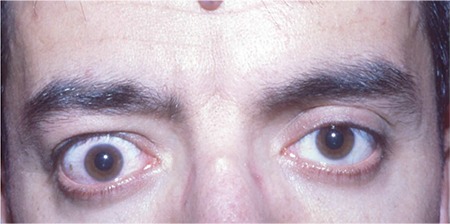
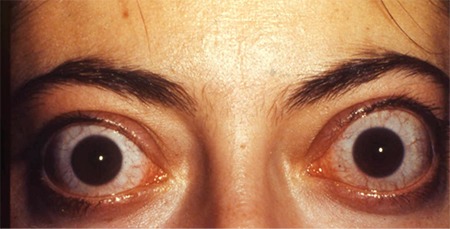
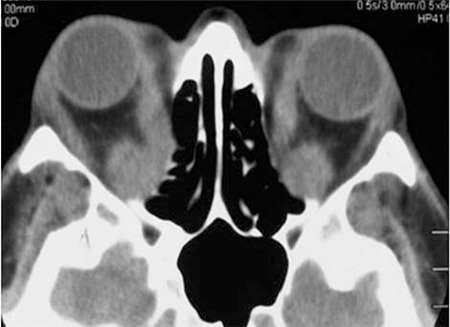
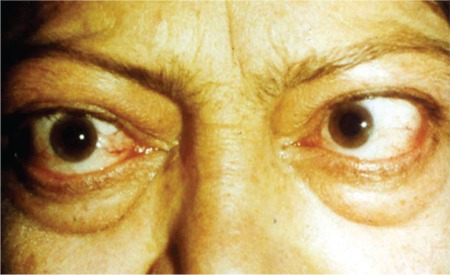
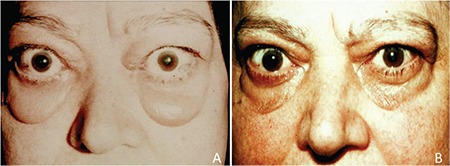
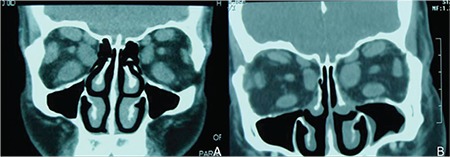
Thyroid-associated ophthalmopathy is the most frequent extrathyroidal involvement of Graves' disease but it sometimes occurs in euthyroid or hypothyroid patients. Thyroid-associated ophthalmopathy is an autoimmune disorder, but its pathogenesis is not completely understood. Autoimmunity against putative antigens shared by the thyroid and the orbit plays a role in the pathogenesis of disease. There is an increased volume of extraocular muscles, orbital connective and adipose tissues. Clinical findings of thyroid-associated ophthalmopathy are soft tissue involvement, eyelid retraction, proptosis, compressive optic neuropathy, and restrictive myopathy. To assess the activity of the ophthalmopathy and response to treatment, clinical activity score, which includes manifestations reflecting inflammatory changes, can be used. Supportive approaches can control symptoms and signs in mild cases. In severe active disease, systemic steroid and/or orbital radiotherapy are the main treatments. In inactive disease with proptosis, orbital decompression can be preferred. Miscellaneous treatments such as immunosuppressive drugs, somatostatin analogs, plasmapheresis, intravenous immunoglobulins and anticytokine therapies have been used in patients who are resistant to conventional treatments. Rehabilitative surgeries are often needed after treatment.
Keywords: Radiotherapy; Thyroid ophthalmopathy; decompression surgery; proptosis; steroid therapy.
Conflict of interest statement
Conflict of Interest: No conflict of interest was declared by the authors.
Figures
References
-
- Bartalena L, Tanda ML, Bogazzi F, Piantanida E, Lai A, Martino E. An update on the pharmacological management of hyperthyroidism due to Graves’ disease. Expert Opin Pharmacother. 2005;6:851–861. - PubMed
-
- Bartalena L, Pinchera A, Marcocci C. Management of Graves’ ophthalmopathy: reality and perspectives. Endocr Rev. 2000;21:168–199. - PubMed
-
- Marcocci C. Bartalena L, Bogazzi F, Panicucci M, Pinchera A. Studies on the occurrence of ophthalmopathy in Graves’ disease. Acta Endocrinol (Copenh). 1989;120:473–478. - PubMed
-
- Bartalena L, Marcocci C, Pinchera A. Graves’ ophthalmopathy: a preventable disease? Eur J Endocrinol. 2002;146:457. - PubMed
Publication types
LinkOut - more resources
Full Text Sources
Other Literature Sources
