


The brain anatomy of attention-deficit/hyperactivity disorder in young adults - a magnetic resonance imaging study
- PMID: 28406942
- PMCID: PMC5391018
- DOI: 10.1371/journal.pone.0175433
The brain anatomy of attention-deficit/hyperactivity disorder in young adults - a magnetic resonance imaging study
Abstract
Background: This is one of the first studies to examine the structural brain anatomy and connectivity associated with an ADHD diagnosis and child as well as adult ADHD symptoms in young adults. It was hypothesized that an adult ADHD diagnosis and in particular childhood symptoms, are associated with widespread changes in the brain macro- and microstructure, which can be used to develop a morphometric biomarker for ADHD.
Methods: Voxel-wise linear regression models were used to examine structural and diffusion-weighted MRI data in 72 participants (31 young adults with ADHD and 41 controls without ADHD) in relation to diagnosis and the number of self-reported child and adult symptoms.
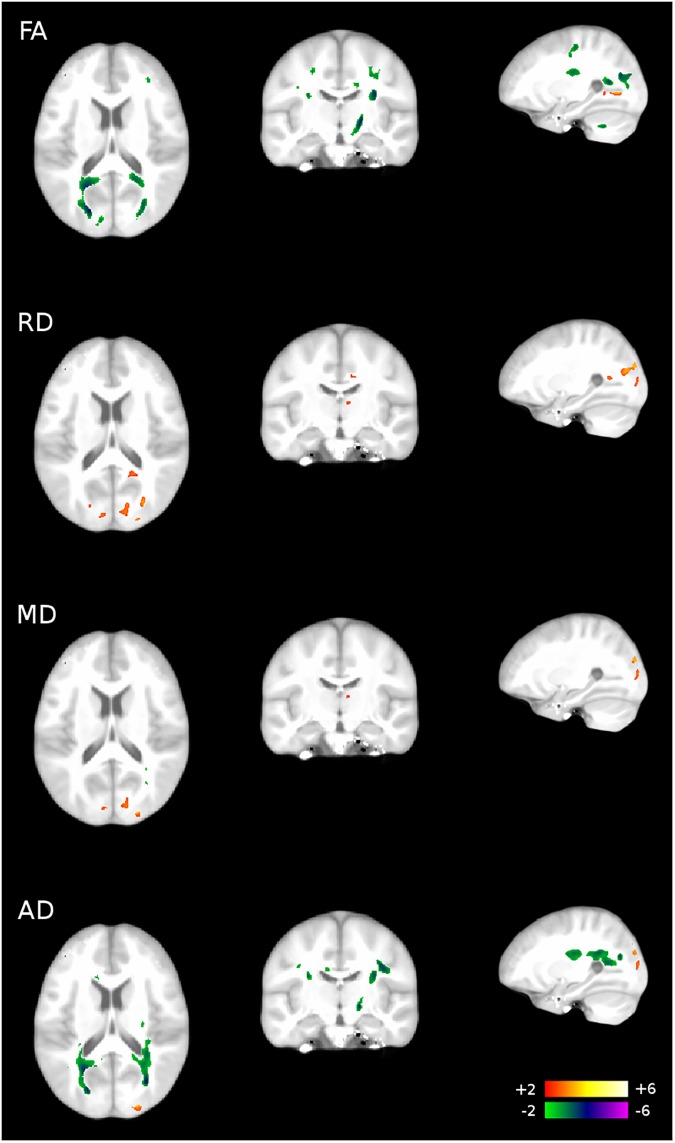
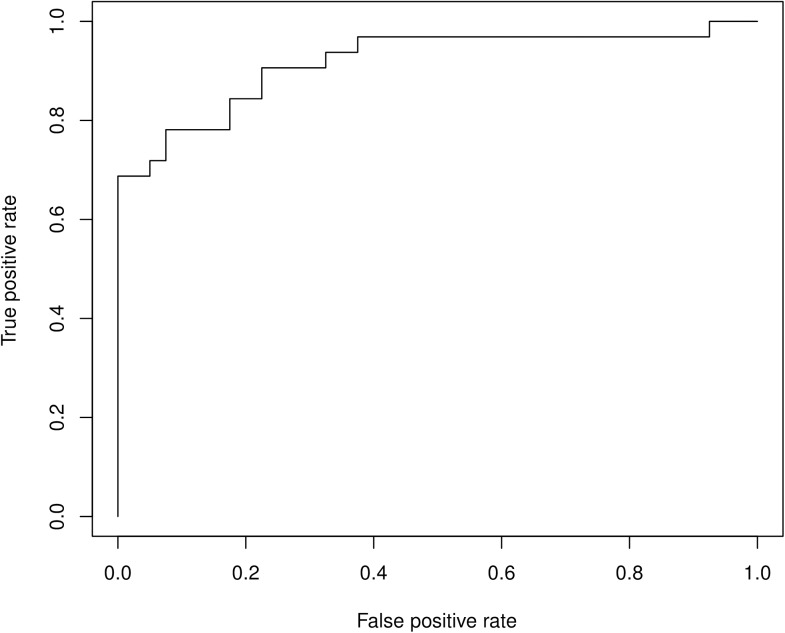
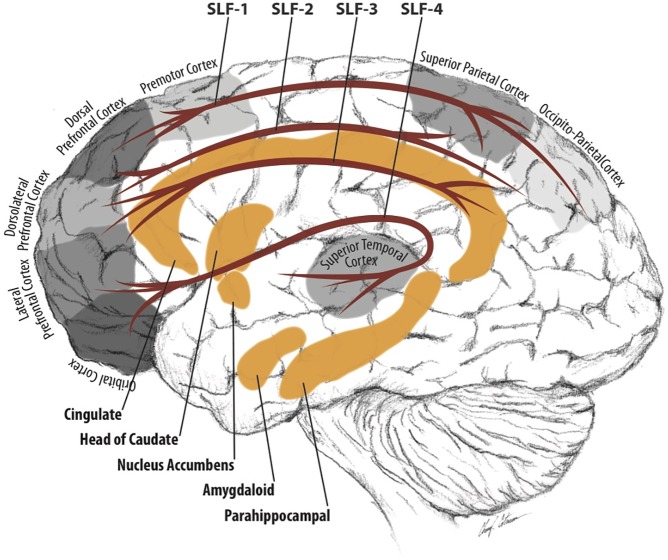
Results: Findings revealed significant associations between ADHD diagnosis and widespread changes to the maturation of white matter fiber bundles and gray matter density in the brain, such as structural shape changes (incomplete maturation) of the middle and superior temporal gyrus, and fronto-basal portions of both frontal lobes. ADHD symptoms in childhood showed the strongest association with brain macro- and microstructural abnormalities. At the brain circuitry level, the superior longitudinal fasciculus (SLF) and cortico-limbic areas are dysfunctional in individuals with ADHD. The morphometric findings predicted an ADHD diagnosis correctly up to 83% of all cases.
Conclusion: An adult ADHD diagnosis and in particular childhood symptoms are associated with widespread micro- and macrostructural changes. The SLF and cortico-limbic findings suggest complex audio-visual, motivational, and emotional dysfunctions associated with ADHD in young adults. The sensitivity of the morphometric findings in predicting an ADHD diagnosis was sufficient, which indicates that MRI-based assessments are a promising strategy for the development of a biomarker.
Conflict of interest statement
Figures
References
-
- American Psychiatric Association. Diagnostic and Statistical Manual of Mental Disorders. 5th ed. Arlington, VA: American Psychiatric Association; 2013.
-
- Faraone SV, Biederman J, Mick E. The age-dependent decline of attention deficit hyperactivity disorder: a meta-analysis of follow-up studies. Psychol Med. 2006. February 1;36(02):159–65. - PubMed
-
- Song SK, Yoshino J, Le TQ, Lin SJ, Sun SW, Cross AH, et al. Demyelination increases radial diffusivity in corpus callosum of mouse brain. Neuroimage. 2005. May 15;26(1):132–40. doi: 10.1016/j.neuroimage.2005.01.028 - DOI - PubMed
-
- Alexander AL, Lee JE, Lazar M, Field AS. Diffusion tensor imaging of the brain. Neurotherapeutics. 2007. July 31;4(3):316–29. doi: 10.1016/j.nurt.2007.05.011 - DOI - PMC - PubMed
Publication types
MeSH terms
Grants and funding
LinkOut - more resources
Full Text Sources
Other Literature Sources
Medical
