


Disc degeneration on MRI is more prevalent in young elite skiers compared to controls
- PMID: 28409199
- PMCID: PMC5754419
- DOI: 10.1007/s00167-017-4545-3
Disc degeneration on MRI is more prevalent in young elite skiers compared to controls
Abstract
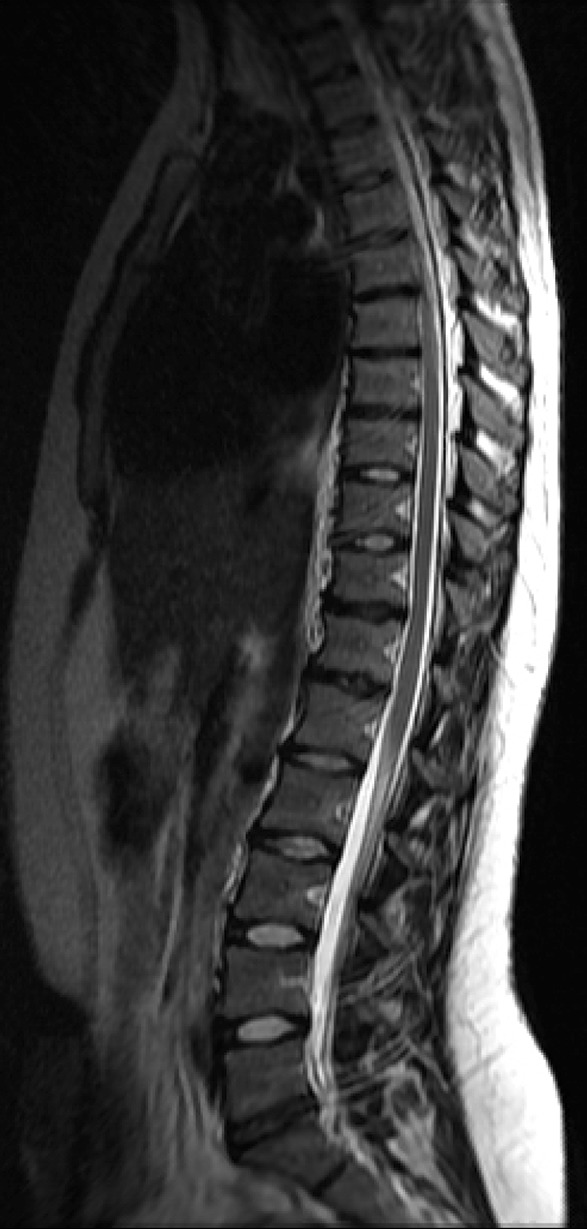
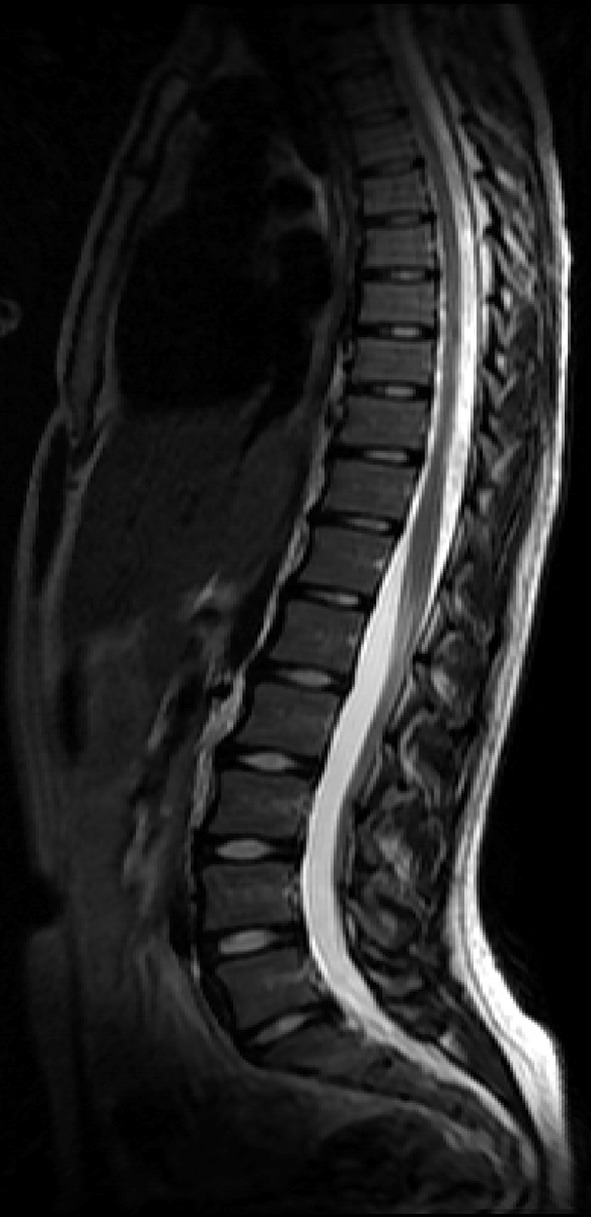
Purpose: Evidence-based facts regarding spine abnormalities and back pain are needed in order to develop rehabilitation programs and prevent spine injuries in young skiers. The aim therefore is to identify MRI changes in the thoraco-lumbar spine and the lifetime prevalence of back pain, as well as the association between them, in young skiers compared to non-athletes.
Methods: Seventy-five young elite alpine and mogul skiers, age range 16-20 years, were compared with 27 non-athletic controls. All subjects underwent spinal MRI and answered back pain questionnaires.
Results: Fifty-six percent of skiers had at least one disc Pfirrmann grade ≥3 compared to 30% of controls (p = 0.027). Schmorl's nodes (46%) and disc height reduction (37%) were significantly more prevalent in skiers compared to controls (0%) (p < 0.001). When all parameters were combined together, skiers had significantly higher rate of radiological changes than controls, 82% compared to 54% (p = 0.007). The mean number of discs with Pfirrmann grade ≥3 was 1.1 per individual in skiers (median 1, range 0-6) versus 0.6 in controls (median 0, range 0-3). There was no significant difference in lifetime prevalence of back pain between skiers (50%) and controls (44%) (n.s.). MRI abnormalities in skiers did not correlate with lifetime prevalence of back pain. Skiers had a better health perception than controls (p = 0.026).
Conclusion: Alpine skiers have more degenerative disc changes compared to non-athletes, but these changes do not correlate with the lifetime prevalence of back pain. Lifetime prevalence of back pain is not significantly different between the groups; however, skiers report more severe pain on VAS score.
Level of evidence: II.
Keywords: Athletes; Disc degeneration; MRI; Schmorl’s nodes; Skiers.
Conflict of interest statement
Conflict of interest
All other authors declare that they have no conflict of interests.
Funding
This study was funded by The Medical Society of Gothenburg, Handlanden Hjalmar Svenssons Research Foundation and Doktor Felix Neuberghs Foundation, Carl Bennett AB, and Swedish National Centre for Research in Sports.
Ethical approval
All procedures performed in studies involving human participants were in accordance with the ethical standards of the regional and institutional research committee and with the 1964 Helsinki declaration and its later amendments or comparable ethical standards.
Informed consent
Informed consent was obtained from all individual participants included in the study.
Figures
References
-
- Alricsson M, Werner S. Self-reported health, physical activity and prevalence of complaints in elite cross-country skiers and matched controls. J Sports Med Phys Fitness. 2005;45:547–552. - PubMed
Publication types
MeSH terms
LinkOut - more resources
Full Text Sources
Other Literature Sources
Medical
Research Materials
Miscellaneous
