


Microcephalic Osteodysplastic Primordial Dwarfism, Type II: a Clinical Review
- PMID: 28409412
- PMCID: PMC5561166
- DOI: 10.1007/s11914-017-0348-1
Microcephalic Osteodysplastic Primordial Dwarfism, Type II: a Clinical Review
Erratum in
-
Erratum to: Microcephalic Osteodysplastic Primordial Dwarfism, Type II: a Clinical Review.Curr Osteoporos Rep. 2017 Aug;15(4):399. doi: 10.1007/s11914-017-0389-5. Curr Osteoporos Rep. 2017. PMID: 28712007 Free PMC article. No abstract available.
Abstract
Purpose of the review: This review will provide an overview of the microcephalic primordial dwarfism (MPD) class of disorders and provide the reader comprehensive clinical review with suggested care guidelines for patients with microcephalic osteodysplastic primordial dwarfism, type II (MOPDII).
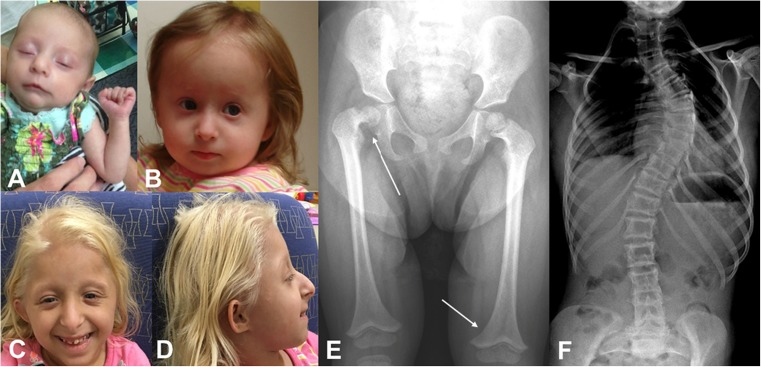
Recent findings: Over the last 15 years, significant strides have been made in the diagnosis, natural history, and management of MOPDII. MOPDII is the most common and well described form of MPD. The classic features of the MPD group are severe pre- and postnatal growth retardation, with marked microcephaly. In addition to these features, individuals with MOPDII have characteristic facies, skeletal dysplasia, abnormal dentition, and an increased risk for cerebrovascular disease and insulin resistance. Biallelic loss-of-function mutations in the pericentrin gene cause MOPDII, which is inherited in an autosomal recessive manner.
Keywords: MOPDII; Pericentrin; Primordial dwarfism.
Conflict of interest statement
Conflict of Interest
Michael Bober reports grants and other from Walking With Giants Foundation, grants from Potentials Foundation, outside the submitted work. Andrew Jackson’s work is supported by funding from MRC and ERC (281847).
Human and Animal Rights and Informed Consent
This article does not contain any studies with human or animal subjects performed by any of the authors.
Figures
References
-
- Grossman BJ, Helmut GP. Seckel, 1900-1960. J Pediatr. 1960;57(4):638. doi: 10.1016/S0022-3476(60)80108-4. - DOI
-
- Seckel HPG. Bird-headed dwarfs. Springfield, Ill.,: C. C. Thomas; 1960. 241 p. p.
Publication types
MeSH terms
Supplementary concepts
Grants and funding
LinkOut - more resources
Full Text Sources
Other Literature Sources
Medical
Research Materials
